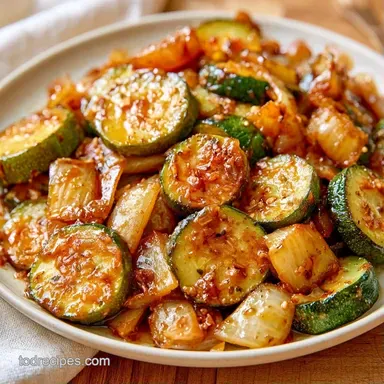
Japanese Zucchini and Onions with Soy Sauce
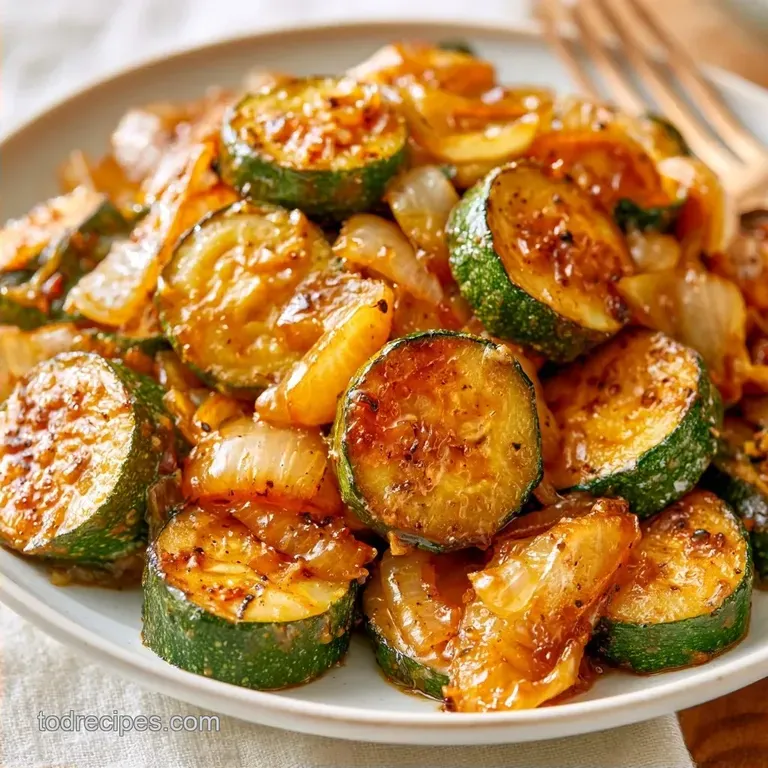
- Prep time: 5 mins | Cook time: 10 mins
- Taste & Feel: Savory umami glaze with a light mahogany char
- Perfect for: A fast weeknight side or a home style steakhouse night
Let's talk about that specific scent. It's that classic steakhouse aroma the moment foaming butter and soy sauce hit a scorching pan, releasing a savory, salty cloud of steam. It's the kind of smell that makes you crave the dish long before it's served.
You don't need a professional flat top grill or a chef's fancy footwork to get this right. Many people assume you can't achieve that "restaurant" consistency at home because their zucchini always ends up soggy. Believe me, the only things you really need are a hot pan and a bit of patience while searing.
I used to stir everything continuously, which is the fastest way to end up with boiled vegetables. Everything changed once I started letting the zucchini sit undisturbed for a few minutes. This Japanese Zucchini Onions recipe is all about creating that contrast between caramelized, charred edges and a tender core.
Japanese Zucchini Onions Quick Facts
This dish is a powerhouse of flavor despite having a very short time on the stove. We're looking at a total of 15 minutes from the moment you pick up the knife to the moment you garnish the plate. Because the cook time is so short, your prep has to be spot on.
If you're looking for a Japanese Zucchini and Onions experience that feels like it came from a professional kitchen, the heat management is where the magic happens. We use a combination of oil and butter to get the temperature high enough for a sear but rich enough for that signature taste.
The beauty of this Hibachi Zucchini and Onions Recipe is how it balances the natural sweetness of the yellow onion with the saltiness of the soy. It's a light, vibrant side that doesn't overshadow a main protein but adds a necessary punch of umami to the meal.
What Goes Into the Pan
Getting the produce right is half the battle. I prefer medium Japanese zucchini because they have a thinner skin and fewer seeds than the giant ones, which means they don't release as much water. This helps us maintain that crisp tender texture.
For the onions, yellow onions are the way to go. They have a sharper bite when raw but melt into a mellow, golden sweetness when they hit the butter. If you use red onions, the color will bleed and turn your zucchini a weird shade of purple.
The sauce is a simple mix of soy, mirin, and sesame oil. Mirin is essential here because it's a sweet rice wine that helps the sauce thicken and cling to the vegetables. Without it, the soy sauce just pools at the bottom of the pan.
Why These Ingredients Work
| Ingredient | What It Does | Best Swap |
|---|---|---|
| Unsalted Butter | Adds richness and helps browning | Vegan butter |
| Mirin | Creates a glossy, sweet glaze | Honey or maple syrup |
| Sesame Oil | Provides a deep, nutty aroma | Toasted sesame seeds |
Right then, keep in mind that using a high smoke point oil like vegetable oil prevents the butter from burning too quickly. This allows the vegetables to sear without the fat turning bitter.
Tools for the Job
A specialized hibachi grill isn't necessary, though a large skillet is essential. I prefer a cast iron skillet because its heat retention is unmatched. Using a thin non-stick pan often causes the temperature to plummet once the zucchini hits the surface, meaning you'll miss out on that charred finish.
An exceptionally sharp chef's knife is equally critical. Aim for zucchini rounds that are precisely 1/4 inch. If the thickness varies, the thinner pieces will turn to mush before the thicker ones are fully cooked.
Stovetop vs Oven Comparison
| Feature | Stovetop Method | Oven Roasting |
|---|---|---|
| Sear Quality | High mahogany char | Dull golden brown |
| Total Time | 15 minutes | 30 minutes |
| Glaze Texture | Thick and glossy | Thinner, absorbed |
The stovetop approach is undoubtedly superior for this recipe. While oven roasting works for other dishes, Japanese Zucchini Onions rely on the rapid sauce evaporation over a hot burner to achieve that signature restaurant style glaze.
Step by step Cooking
Time to start the process. Have your zucchini and onions sliced and ready before heating the pan. This recipe moves quickly, so you won't have time to chop once the butter starts foaming.
- Cut the zucchini into uniform 1/4 inch rounds and thinly slice the yellow onion into half moons.
- Heat 2 tbsp vegetable oil and 1 tbsp unsalted butter in a wide pan over medium high heat until the butter foams and sizzles.
- Add the onions and sauté for 3–5 minutes until they look translucent with golden edges.
- Place the zucchini coins in a single layer and sear for 3 minutes per side until a light mahogany char develops. Note: Don't crowd the pan or they will steam instead of sear.
- Lower the heat to medium. Stir in 1 minced garlic clove and cook for 30 seconds until the aroma hits you.
- Pour in 2 tbsp soy sauce, 1 tbsp mirin, and 1 tsp toasted sesame oil.
- Toss continuously for 1–2 minutes until the sauce bubbles and reduces into a glossy coating.
- Remove from heat immediately and garnish with 1 tsp toasted sesame seeds.
Watch closely once the sauce begins to thicken and stick to the zucchini, it's time to take it off the heat. Leaving it for an extra minute can cause the soy sauce to burn and taste bitter.
Fixing Common Veggie Issues
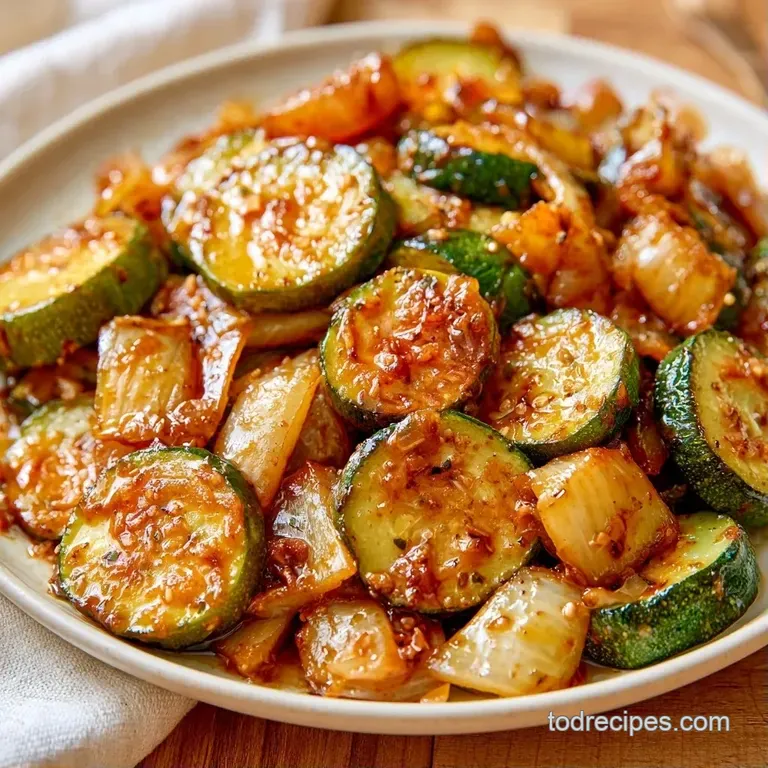
Incorrect heat management can ruin even the most straightforward dish. When it comes to Japanese Zucchini Onions, getting the texture right is the biggest challenge.
Preventing Mushy Zucchini
Sogginess usually results from stirring too frequently or overcrowding the pan. When zucchini pieces overlap, they release steam that traps moisture. To prevent this, work in two batches if your pan is small. Allow the zucchini to sit undisturbed for at least 3 minutes to ensure a firm structure.
Avoiding Burnt Garlic
Garlic can incinerate in seconds over high heat, resulting in a bitter, charcoal like taste. This is why we drop the heat to medium before adding it. If the garlic begins to turn dark brown too quickly, immediately add a teaspoon of water or the soy sauce to lower the pan's temperature.
Managing Water Content
If liquid pools in your pan, your heat is likely too low. Increase it to medium high and let the moisture evaporate before stirring in the glaze. For particularly watery zucchini, you can pat the slices dry with a paper towel before adding them to the oil.
Fixing Bland Flavor
A flat tasting dish usually lacks enough salt or acidity. A small splash of rice vinegar or an extra teaspoon of soy sauce can brighten the overall profile. Additionally, adding a pinch of salt to the onions during the initial sauté helps draw out moisture and intensify the flavor.
Different Flavor Tweaks
Feel free to experiment with the flavor profile to suit your taste. If you enjoy a spicy edge, stirring a teaspoon of sriracha or some red pepper flakes into the glaze works wonders, as the heat cuts through the richness of the butter.
To achieve a Japanese restaurant style Zucchini and Onions, try adding a handful of sliced shiitake mushrooms along with the onions. They provide a meaty texture and deepen the umami. For a different vegetable twist, you might enjoy my Parmesan Zucchini & Squash recipe for a cheesier alternative.
For a more savory Japanese Style Zucchini and Onions variation, swap the mirin for a teaspoon of brown sugar and a squeeze of lime juice. This creates a tangier, more caramelized finish.
Decision Shortcut
- For a spicier kick: Add 1 tsp sriracha to the soy sauce mixture.
- For a vegan version: Use a high-quality vegan butter substitute.
- For extra crunch: Double the toasted sesame seeds at the end.
Ingredient Swaps
| Original Ingredient | Substitute | Why It Works |
|---|---|---|
| Soy Sauce (2 tbsp) | Tamari (2 tbsp) | gluten-free option. Note: Slightly saltier profile |
| Mirin (1 tbsp) | Honey (1 tbsp) | Similar sweetness. Note: Lacks the fermented depth |
| Unsalted Butter (1 tbsp) | Coconut Oil (1 tbsp) | dairy-free. Note: Adds a slight tropical coconut note |
Keeping Leftovers Fresh
These Japanese Zucchini Onions are at their best immediately after they come off the heat. If you have leftovers, store them in a sealed glass jar and keep them chilled for 3 days.
When warming them up, avoid the microwave if possible, as it tends to make the zucchini mushy. Instead, toss them back into a hot skillet for 2 minutes to revive the sear and prevent them from becoming soggy.
To minimize waste, place any leftover onion ends or zucchini peels into a freezer bag. Once the bag is full, simmer them with salt and water to create a quick vegetable stock for your next soup.
Best Ways to Serve
This Japanese Zucchini Side Dish is a wonderful accompaniment to grilled salmon, steak, or tofu. The savory glaze provides a perfect contrast to proteins that have been simply seasoned with salt and pepper.
For a more filling meal, try serving these over steamed jasmine rice, which captures every bit of the umami rich sauce so nothing is wasted. Alternatively, check out my Zucchini Scampi if you prefer a bolder garlic flavor.
Japanese Steakhouse Style Zucchini and Onions also fit perfectly on a shared platter. Pair them with fried rice and a side of ginger salad for a complete feast; since the seasoning is so well balanced, it complements the other dishes without overpowering them.
These vegetables are also delicious as a standalone snack. Simply heap them into a bowl and garnish with fresh scallions for a bright pop of color and a crisp onion bite.
Why the Sear Works
The high heat creates a char that keeps the inside crisp. The sugar in mirin thickens the soy sauce into a glaze.
High Heat: Searing the zucchini quickly prevents the cell walls from breaking down too much, which is why they stay tender crisp.
The Glaze: Reducing the soy and mirin creates a syrupy coating that clings to the vegetables instead of running off.
Right then, once you've mastered the timing of these Japanese Zucchini Onions, you'll realize that the "secret" isn't the ingredients, but the heat. Keep it high, keep the pan open, and don't over stir. Enjoy your home style steakhouse feast!
Recipe FAQs
How to cook zucchini Japanese style?
Sauté slices in butter and vegetable oil. Once seared, toss with soy sauce, mirin, and sesame oil for a glossy, savory finish.
Can onions and zucchini be cooked together?
Yes, they complement each other well. Sauté the yellow onions for 3-5 minutes until golden before adding the zucchini to ensure both are perfectly tender.
What seasonings are in hibachi vegetables?
Use soy sauce, mirin, and toasted sesame oil. This combination creates the classic salty sweet glaze found in Japanese steakhouses.
Where do I get that steakhouse char?
Sear zucchini coins in a large skillet over medium high heat. Cook for 14 minutes per side until a light mahogany char develops before adding aromatics.
Should the zucchini be sliced a certain way?
Slice into uniform 1/4 inch rounds. Consistent thickness ensures every piece cooks evenly and prevents the vegetables from becoming mushy.
Is it true that zucchini must be salted and drained first?
False. For a quick 10-minute stir fry, salting is unnecessary and can actually prevent the mahogany char from forming.
Which flavor profile works best for this dish?
A balance of savory soy and sweet mirin. If you enjoyed the savory sweet balance here, see how we use a similar approach in our zucchini pasta.
Do you have to peel Japanese zucchini?
This one's false: Leave the skin on to maintain a better texture and a more vibrant green color in the finished dish.
Japanese Zucchini Onions