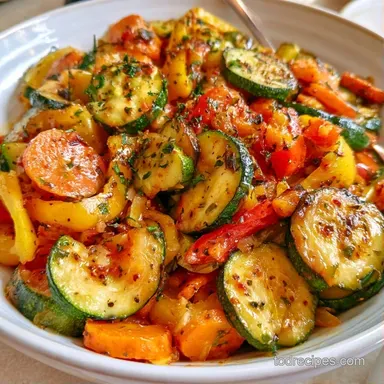
Roasted Zucchini Pasta Primavera
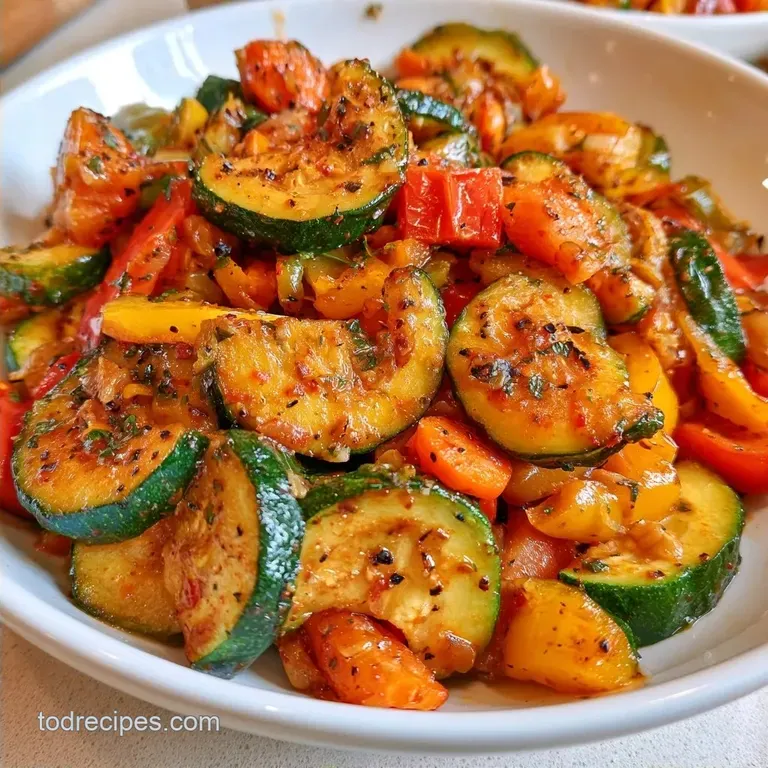
- Time: 15 min active + 25 min cook
- Flavor/Texture Hook: Charred, sweet roasted veg with a silky garlic sauce
- Perfect for: A bright, seasonal weeknight dinner
Fresh Zucchini Pasta Primavera Recipe
Nothing starts a summer evening quite like the aroma of roasting red peppers and zucchini hitting a hot pan. I typically whip this up when my garden is overflowing and the produce needs to be used immediately. It offers an elegant presentation while requiring nothing more than a pot of water and a sheet pan.
The dish is all about contrasting textures. The zucchini remains tender without falling apart, while the bell peppers develop charred edges that mimic a grill. We combine these with linguine and a bright, citrusy lemon sauce.
This Zucchini Pasta Primavera skips the heavy creams and thick pastes to let the vegetables take center stage. It is light and vibrant, ensuring you feel energized rather than sleepy after your meal.
Why Roasting Changes Everything
- High Heat Roasting: Oven heat browns the natural sugars in the zucchini and carrots. This creates a concentrated sweetness that you just can't get from a skillet.
- Starch Binding: Using the cloudy pasta water creates a bridge between the fat in the butter and the water in the vegetables. This makes the sauce cling to the noodles instead of pooling at the bottom.
If you love the idea of a veggie heavy base, you might also like my Zucchini Butter Pasta, which takes a different approach to the sauce.
Roast vs Sauté Method
| Method | Time | Texture | Best For |
|---|---|---|---|
| oven roasted | 20 mins | Charred, concentrated | Bold flavor, less stirring |
| Stovetop Sauté | 10 mins | Soft, juicy | Quick meals, lighter taste |
The roasted version is my go to for Zucchini Pasta Primavera because it prevents the zucchini from releasing too much water into the pan.
The Ingredient Breakdown
| Component | Purpose | Substitute Notes |
|---|---|---|
| Zucchini | Bulk and freshness | Yellow squash: Works exactly the same |
| Parmesan | Salt and thickness | Pecorino: Saltier, sharper bite |
| Lemon | Brightness/Acidity | Lime: More tropical, less traditional |
| Linguine | Structure/Base | Spaghetti: Same result, slightly different mouthfeel |
The Shopping List
- 2 medium zucchini, halved lengthwise and sliced into half moons Why this? Half moons roast evenly without curling
- 1 red bell pepper, diced into 1 inch pieces
- 1 yellow bell pepper, diced into 1 inch pieces
- 1 cup carrots, peeled and sliced into thin rounds
- 3 tbsp extra virgin olive oil
- 1/2 tsp kosher salt
- 1/4 tsp black pepper
- 12 oz linguine pasta Why this? Flat noodles hold the roasted veg better
- 3 tbsp unsalted butter
- 4 cloves garlic, minced
- 1/2 cup grated Parmesan cheese
- 1 lemon, zested and juiced
- 1/2 cup reserved pasta water
- 1/4 cup fresh parsley, chopped
For a version with a bit more acidity, check out my And Tomatoes For 4 recipe for a different flavor profile.
The Right Tools
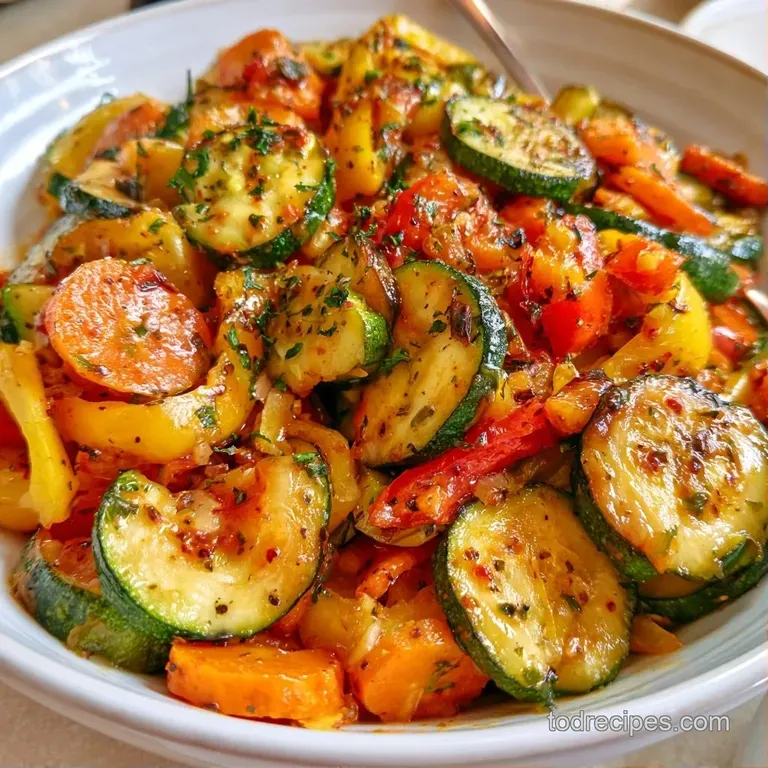
You don't need much for this. A rimmed baking sheet is the most important part. If you use a pan with high sides, the vegetables might steam instead of roast.
You'll also need a large pot for the pasta and a colander. A microplane or a fine grater for the Parmesan and lemon zest makes the final steps much smoother.
Making the Pasta
Phase 1: Charring the Vegetables
- Preheat your oven to 425°F (220°C).
- Toss the sliced zucchini, bell peppers, and carrots on a rimmed sheet pan with olive oil, salt, and pepper until evenly coated.
- Spread the vegetables in a single layer. Roast for 15–20 minutes, tossing halfway through, until the edges are golden brown and slightly charred. Note: Don't crowd the pan or they will steam
Phase 2: Preparing the Pasta Base
- Bring a large pot of heavily salted water to a rolling boil.
- Add the pasta and cook until al dente (1–2 minutes less than package directions).
- Reserve 1 cup of the cloudy pasta water before draining the pasta. Note: This water is liquid gold for the sauce
Phase 3: Emulsifying the Sauce
- In the same pot used for the pasta, melt the butter over medium heat.
- Add minced garlic and sauté for 1 minute until fragrant and bubbling.
- Stir in the roasted vegetables and the cooked pasta.
- Pour in 1/2 cup of the reserved pasta water and the Parmesan cheese. Toss vigorously over medium heat for 2 minutes until a stable emulsion forms and the sauce looks glossy.
- Stir in the lemon zest, lemon juice, and chopped parsley before serving.
Fixing Common Issues
The biggest struggle with Zucchini Pasta Primavera is managing the water. Zucchini is mostly water, and if you aren't careful, your pasta turns into a soup. This usually happens when the oven isn't hot enough or the vegetables are piled on top of each other.
Another issue is the sauce breaking. If the butter separates from the water, you'll see oily streaks. The fix is simply more vigorous tossing and a splash more pasta water to bring it back together.
Stopping Soggy Veggies
Avoid using a deep baking dish. Use a flat sheet pan so the moisture can evaporate quickly.
Fixing a Broken Sauce
Whisk in a tablespoon of pasta water over medium heat. The starch helps the oil and water bond.
Adjusting the Seasoning
If it tastes flat, add another squeeze of lemon. The acid cuts through the butter and wakes up the roasted veg.
| Problem | Root Cause | Solution |
|---|---|---|
| Watery Sauce | Too much veggie moisture | Roast vegetables in a single layer |
| Clumpy Cheese | Heat too high/added too fast | Toss vigorously with pasta water |
| Bland Flavor | Lack of acidity | Increase lemon juice or add salt |
Changing the Flavors
Feel free to customize this Zucchini Pasta Primavera based on what you have on hand. For a different flavor profile, consider these modifications:
- Brighter flavor? → stir in 1 tsp lemon zest
- A bit of spice? → mix 1/2 tsp red pepper flakes in with the garlic
- A nutty finish? → garnish with toasted pine nuts
Going Plant Based
Replace the butter with 2 tbsp of olive oil or a premium plant based butter. For the cheese, try nutritional yeast or a vegan parmesan substitute. The roasted vegetables in this Zucchini Pasta Primavera are so savory that you likely won't even notice the missing dairy.
Adding a Protein Punch
This dish pairs perfectly with grilled shrimp or sliced chicken breast. I recommend cooking the protein on its own and placing it atop the finished pasta to maintain a contrast in textures.
Storage and Waste
Keep any leftover Zucchini Pasta Primavera in a sealed glass container in the cooler for up to 3 days. The pasta will absorb the sauce as it sits, so it might look a bit drier when you open it.
To reheat, add a splash of water or a tiny knob of butter before microwaving or heating in a pan. This loosens the sauce and brings back that glossy finish. This dish doesn't freeze well because the zucchini becomes mushy upon thawing.
To avoid waste, save your carrot tops and zucchini ends. I throw mine into a freezer bag and simmer them with onion scraps and celery to make a quick vegetable stock.
Perfect Side Pairings
Since this Zucchini Pasta Primavera is so vibrant and light, you want sides that don't overpower the lemon and garlic. A simple arugula salad with a light vinaigrette is a classic choice. The peppery greens balance the sweetness of the roasted carrots.
If you're feeding a crowd, a piece of crusty sourdough bread is mandatory. Use it to soak up any remaining garlic butter emulsion at the bottom of the bowl.
For a more filling meal, pair it with a side of roasted chickpeas for extra protein without adding a heavy meat dish. This keeps the whole meal feeling fresh and seasonal.
Recipe FAQs
How do you make zucchini primavera?
Roast sliced zucchini, peppers, and carrots at 425°F before tossing them with al dente linguine, butter, garlic, Parmesan, and lemon. Finish the dish by emulsifying the sauce with reserved pasta water.
Which vegetables go into the primavera mix?
This version uses sliced zucchini, red and yellow bell peppers, and thin carrot rounds. These provide a colorful balance of sweetness and crunch.
What sauce works best for zucchini pasta?
A light emulsion of butter, garlic, Parmesan cheese, and lemon juice is ideal. It enhances the roasted vegetable flavors without overpowering them.
Is it true that zucchini always makes the dish watery?
Actually, no. Roasting the zucchini at 425°F evaporates excess moisture and concentrates the flavor.
How to avoid common zucchini pasta mistakes?
Roast your vegetables in a single layer on the pan to ensure they brown rather than steam. Overcrowding the pan leads to mushy vegetables.
Can this dish be frozen for meal prep?
Freezing is not recommended because the zucchini becomes mushy upon thawing. Store leftovers in a sealed glass container in the cooler instead.
What's the best way to incorporate zucchini into the sauce?
Stir the roasted zucchini half moons into the pot with the pasta and buttered garlic. Tossing them vigorously with Parmesan and pasta water helps the sauce cling to the vegetables.
Why use pasta water in the emulsion?
The starchy water binds the butter and Parmesan into a stable, glossy sauce. If you enjoyed achieving this emulsion here, you can use similar principles when making fresh zucchini noodles for a lighter base.
Zucchini Pasta Primavera