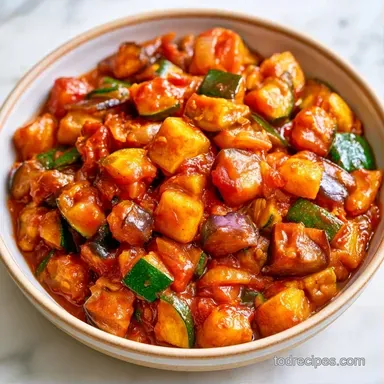
Pan-Seared Ratatouille with Zucchini
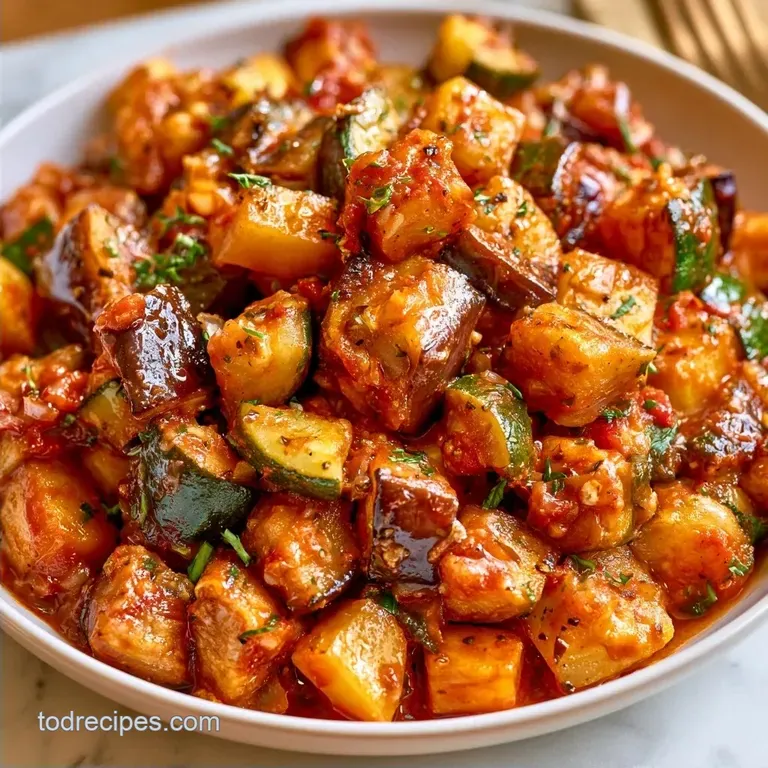
- Time: 20 min active + 45 min cooking
- Flavor/Texture Hook: Mahogany browned edges with a glossy, thick finish
- Perfect for: A vibrant weeknight dinner or a hearty side dish
The smell of garlic hitting hot oil is usually where the magic starts, but for me, it used to be where things went wrong. I once tried making a Ratatouille by throwing every vegetable into one pot and simmering it for an hour. I ended up with a grey, watery mush that looked more like baby food than a French classic.
It was depressing and lacked any real depth.
The fix is actually quite simple: you can't crowd the pan. When you dump everything in at once, the vegetables steam in their own juices instead of browning. To get a Ratatouille that actually tastes like the Provence countryside, you have to treat each vegetable with a bit of respect and sear them in batches.
Expect a dish that's colorful and chunky. This Ratatouille doesn't turn into a sauce; it stays as a medley of tender crisp vegetables bound together by a natural, thick glaze. It's a bright, seasonal way to use up your garden haul without losing the integrity of the produce.
Making a Vibrant, Textured Ratatouille
Strategic Searing: Browning the eggplant and squash separately prevents them from steaming, which keeps the texture firm.
Natural Pectins: Simmering the tomatoes with the other vegetables creates a thick, glossy coating without needing cornstarch.
| Approach | Prep Time | Texture | Best For |
|---|---|---|---|
| Fresh Searing | 20 minutes | Chunky and distinct | Dinner parties |
| One Pot Simmer | 10 minutes | Soft and stew like | Quick meal prep |
| oven roasted | 15 minutes | Concentrated and charred | Low effort sides |
What Each Vegetable Brings
The eggplant acts as the sponge, soaking up the olive oil and garlic for a rich base. If you can't find a good one, zucchini works as a substitute, though it's more watery. The zucchini and summer squash provide the vibrant colors and a slight sweetness.
Roma tomatoes are essential because they have less water than beefsteak varieties. This keeps your Ratatouille from becoming a soup. For the aromatics, the red bell pepper adds a fruity note that balances the earthy eggplant.
Quick Reference Guide
This recipe serves 6 people. It takes 20 minutes to get everything chopped and 45 minutes on the stove. Total time is 65 minutes.
| Original Ingredient | Substitute | Why It Works |
|---|---|---|
| Eggplant (450g) | Portobello Mushrooms | Similar meaty texture. Note: Earthier flavor |
| Summer Squash (300g) | Extra Zucchini | Same cooking time. Note: Less color variety |
| Herbes de Provence (5g) | Dried Thyme | Main flavor component. Note: Less floral |
| Fresh Basil (60ml) | Fresh Parsley | Fresh herbal finish. Note: More peppery |
Tools for the Job
You'll want a large Dutch oven or a deep skillet. A wide base is key because it allows more surface area for the vegetables to brown. Using a small pot will just lead back to that soggy mush I mentioned.
A sharp chef's knife is non negotiable here. You need consistent 1/2 inch cubes so everything cooks at the same rate. If the eggplant is huge and the zucchini is tiny, the zucchini will vanish before the eggplant is tender.
Step by step Cooking
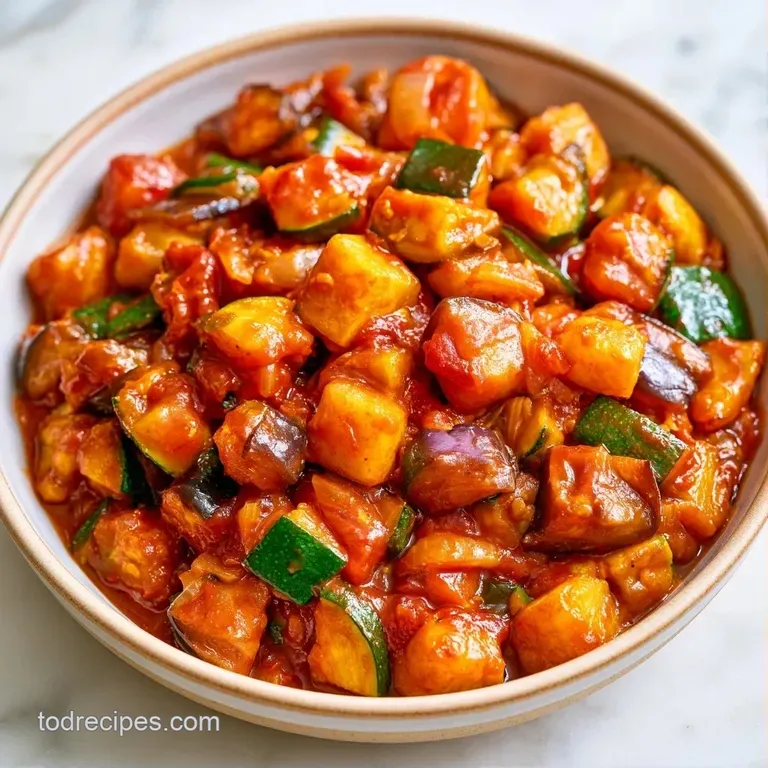
Phase 1: The Uniform Prep
Cut the eggplant, zucchini, and squash into consistent 1/2 inch cubes. Dice the onions and red bell peppers to a similar size. Note: Consistency ensures every bite of the Ratatouille has a bit of everything.
Phase 2: The Strategic Sear
Heat 1 tbsp of olive oil over medium high heat in your Dutch oven. Add the eggplant and sauté for 5–7 minutes until the edges are mahogany colored. Remove the eggplant from the pan and set it aside on a plate.
Phase 3: The Zucchini Brown
In the same pan, add the zucchini and summer squash. Cook for 4–5 minutes until they are lightly browned and sizzling. Remove these and set them aside with the eggplant.
Phase 4: Building the Aromatics
Lower the heat to medium and add the remaining 1 tbsp of olive oil. Sauté the diced onion and red bell pepper for about 5 minutes until they look translucent and smell sweet. Stir in the minced garlic and cook for exactly 60 seconds to avoid burning.
Phase 5: The Slow Melding
Return the seared eggplant, zucchini, and squash to the pan. Fold in the diced Roma tomatoes. Stir in the dried herbes de Provence, salt, and black pepper.
Phase 6: The Final Simmer
Simmer the mixture for about 15–20 minutes. You're looking for the vegetables to be tender, but not falling apart. The natural pectins in the tomatoes should create a glossy glaze over the Ratatouille.
Phase 7: The Bright Finish
Remove the pan from the heat. Stir in the fresh lemon juice. This acidity cuts through the oil and wakes up the flavors. Garnish with torn fresh basil leaves before serving.
Chef Note: If you're using a very watery tomato, you might see a pool of liquid at the bottom. Just simmer for an extra 5 minutes without a lid to let it reduce.
Fixing Common Texture Issues
To Fix a Watery Stew
When the Ratatouille looks more like a soup, it's usually because the tomatoes released too much juice or the heat was too low. Let it simmer uncovered. This evaporates the excess water and thickens the sauce naturally.
To Prevent Burnt Garlic
Garlic burns in seconds and turns bitter. Always add it after the onions and peppers have softened. If you see the garlic turning dark brown, immediately add the other vegetables to drop the pan temperature.
Handling Mushy Vegetables
This happens when vegetables are overcrowded. If you don't have a large enough pan, sear in smaller batches. Serious Eats' testing shows that maintaining pan heat is the only way to get a proper sear on zucchini.
| Problem | Root Cause | Solution |
|---|---|---|
| Watery sauce | Too many tomatoes or lid left on | Simmer uncovered for 10 mins |
| Bitter taste | Burnt garlic or overcooked herbs | Add lemon juice to balance |
| Soggy texture | Crowded pan during searing | Sear veg in smaller batches |
Keeping it Fresh
This Ratatouille actually improves overnight as the flavors meld. Keep it chilled in a glass dish for 4 days.
For longer preservation, you can freeze this for 3 months. I suggest freezing the dish in portions. While the vegetables will be slightly softer after thawing, the taste remains bold.
To stay zero waste, don't throw away the pepper ends or tomato stems. Save them in a freezer bag with other veggie scraps to prepare a homemade stock later.
Ways to Serve
For a complete meal, I love serving this over a bed of fluffy quinoa or polenta. The grains soak up that glossy glaze. It's also a great companion to grilled chicken or a piece of seared sea bass.
If you want a classic experience, serve the Ratatouille with a thick slice of toasted sourdough rubbed with a raw garlic clove. The crunch of the bread against the tender vegetables is a winning combo.
| Goal | Exact Change |
|---|---|
| For a firmer set: | Sear vegetables for 2 mins longer |
| For a richer flavor: | Add 1 tbsp of tomato paste with the garlic |
| For a zesty finish: | Double the lemon juice at the end |
Different Flavor Twists
For a Smoky Twist
Add a teaspoon of smoked paprika when you add the herbes de Provence. This gives the Ratatouille a depth that mimics a wood fired oven.
For a Savory Addition
Stir in a handful of halved kalamata olives or a tablespoon of capers right before serving. The saltiness provides a sharp contrast to the sweet summer squash.
For a Low Calorie Swap
You can reduce the olive oil to 1 tbsp total, but you'll lose some of those mahogany edges. To compensate, use a non stick pan and a splash of vegetable broth to prevent sticking.
Debunking Common Beliefs
Some people think searing meat or vegetables "seals in the juices." That's not true. Moisture loss happens regardless of the sear. The browning is actually about creating new flavor compounds through heat.
Another myth is that you must peel the eggplant. Unless the skin is incredibly thick and tough, leave it on. The skin helps the cubes hold their shape in the Ratatouille, preventing them from turning into mush.
Finally, don't believe that you need to salt the eggplant for hours to remove bitterness. Modern eggplant varieties aren't nearly as bitter as they used to be. Searing them directly in oil is faster and just as effective.
This homemade Ratatouille with zucchini and eggplant is all about the process. By taking the time to sear each component, you move away from a bland stew and toward a vibrant, restaurant quality dish. Whether you're making a quick Ratatouille with zucchini for a Tuesday night or a layered Ratatouille recipe for a dinner party, the principle remains the same: heat, space, and fresh ingredients.
If you're looking for an easy Ratatouille with zucchini and tomatoes, just remember to keep your cubes uniform. That's the real trick. Enjoy the colors, the smell of the basil, and the rich, vegetable forward taste of this Provence classic.
Trust me, your taste buds will thank you for not making the "baby food" version.
Recipe FAQs
Can I make ratatouille without eggplant?
Yes, but the texture changes. Eggplant provides a meaty base and absorbs the surrounding flavors, so removing it makes the dish lighter and more watery.
What is the secret to perfect ratatouille?
Sautéing vegetables in batches. Browning the eggplant, zucchini, and squash separately prevents them from steaming and ensures they develop a rich, caramelized flavor.
Which vegetables are used in this version?
Eggplant, zucchini, summer squash, Roma tomatoes, onion, and red bell pepper. These six components create the traditional Provencal flavor profile.
How to prepare the zucchini for cooking?
Cut them into consistent 1/2 inch cubes. This uniform size ensures every piece cooks evenly during the sauté and simmering process.
Is it true that you should simmer all the vegetables together from the start?
No, and here's why. Searing the eggplant and squash first creates a mahogany color that adds essential depth to the final dish.
Does the dish need to be baked to thicken the sauce?
Actually, no. The natural pectins from the vegetables create a glossy glaze simply by simmering the mixture in a Dutch oven or deep skillet.
Ratatouille With Zucchini