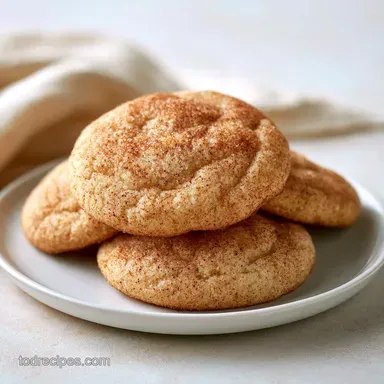
Cinnamon Christmas Cookies: Tender and Crisp
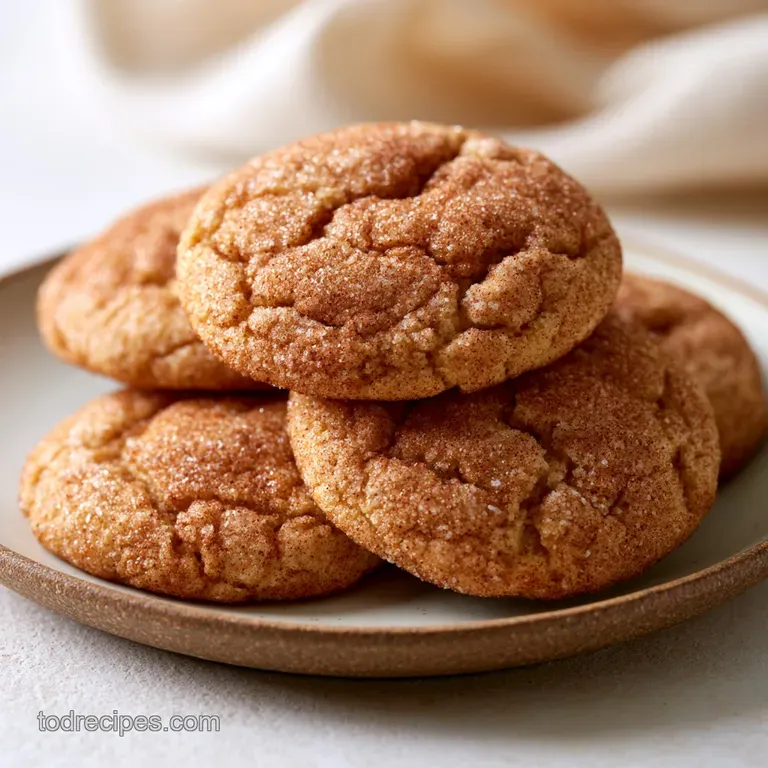
- Time: 10 min active + 12 min cook = Total 22 mins
- Flavor/Texture Hook: Shatter crisp cinnamon sugar shell with a velvety center
- Perfect for: Fast holiday platters, beginner bakers, or a cozy winter treat
- Christmas Cookie we cant wait to pass down with Cinnamon
- Hidden secrets of cinnamon bakes
- Essential recipe specs
- Gathering your baking essentials
- Necessary kitchen tools
- Detailed baking steps
- Solving common cookie fails
- Troubleshooting Common Issues
- Creative flavor variations
- Scaling guidelines
- Baking myths debunked
- Storage and reheating guide
- Winning presentation ideas
- Recipe FAQs
- 📝 Recipe Card
Christmas Cookie we cant wait to pass down with Cinnamon
The smell of warm cinnamon hitting the air is the exact moment my house actually feels like Christmas. I remember one December where I tried to be too fancy, adding way too many "secret" spices to my dough, and it ended up tasting more like a candle than a cookie. It was a mess, and my kids just stared at the plate.
That's when I realized that the best treats aren't the most complex, but the ones that get the basics right.
This is the Christmas Cookie we cant wait to pass down with Cinnamon. It's the kind of recipe that doesn't require a degree in pastry arts, just a bit of patience with the butter and a love for sugar.
When you pull these out of the oven, they have this gorgeous, golden glow and a scent that practically pulls people into the kitchen from the other room.
You can expect a cookie that's soft, slightly chewy, and carries that nostalgic cinnamon roll vibe. We've stripped away the fluff to focus on what actually works, ensuring you get that specific texture that makes people ask for the recipe. Trust me on this, the secret is in the under baking.
Hidden secrets of cinnamon bakes
I used to think that the more you baked a cookie, the "safer" it was. But with this specific recipe, over baking is the enemy. If you wait until the center looks firm, you've gone too far.
You want them to look a little unfinished when they leave the oven, which allows the carry over heat to finish the job without drying out the crumb.
Sugar Barrier: The cinnamon sugar coating creates a protective shell that traps moisture inside. This means the exterior gets that shatter like crunch while the inside stays soft.
Fat Distribution: Using softened butter instead of melted butter ensures the cookies don't spread into flat pancakes. The air whipped into the butter during the creaming stage provides the structural lift.
Brown Sugar Moisture: Brown sugar contains molasses, which is hygroscopic. This means it pulls moisture from the air, keeping the cookie velvety for days.
Leavening Timing: Baking soda reacts immediately with the acid in brown sugar. This is why we don't let the dough sit for hours before baking, as the lift can fade.
| Method | Time | Texture | Best For |
|---|---|---|---|
| Fast (No Chill) | 22 mins | Softer, more spread | Quick cravings |
| Classic (Chill 1hr) | 1 hr 22 mins | Thicker, more concentrated flavor | Formal platters |
Essential recipe specs
When you're in the middle of a holiday baking marathon, the last thing you need is a guessing game. I've found that weighing ingredients is the only way to be consistent. If you're using cups, remember to spoon the flour in rather than scooping it, which packs it down and makes the cookies cakey. According to the guides at King Arthur Baking, a few extra grams of flour can completely change the spread of a cookie.
The goal here is a balance. You want enough flour to hold the shape but enough fat to ensure it melts in your mouth. If your butter is too cold, you'll have lumps; if it's melted, you'll have puddles. Aim for that "finger indent" softness where the butter gives way but still holds its form.
| Ingredient | Science Role | Pro Secret |
|---|---|---|
| Unsalted Butter | Structure & Flavor | Use European style butter for a richer, velvetier bite |
| Brown Sugar | Chew & Color | Dark brown sugar adds a deeper, caramel like note |
| Baking Soda | Lift & Browning | Ensure it's fresh or the cookies will stay flat |
| Cinnamon | Aroma & Warmth | Toast the cinnamon in a pan for 30 seconds first |
Gathering your baking essentials
Right then, let's look at what you need on your counter. I've listed these with the exact amounts from my tried and true batch. Don't be tempted to use margarine here- it lacks the flavor depth needed to stand up to the cinnamon.
For the dough:
- 1/2 cup (115g) unsalted butter, softenedWhy this? Provides the essential fat for a tender crumb
- 3/4 cup (150g) packed brown sugarWhy this? Adds moisture and a hint of molasses
- 1 large egg (50g)Why this? Binds everything and adds structure
- 1 tsp (5ml) vanilla extractWhy this? Rounds out the spice with warmth
- 2 cups (250g) all purpose flourWhy this? The standard for a reliable, soft chew
- 1 tsp (5g) baking sodaWhy this? Creates the rise and golden edges
- 1/2 tsp (3g) saltWhy this? Balances the sweetness of the sugar
For the cinnamon coating: - 1/4 cup (50g) granulated sugar Why this? Creates the crisp outer shell - 1 tbsp (8g) ground cinnamon Why this? The signature holiday flavor
Ingredient Swaps:
| Original Ingredient | Substitute | Why It Works |
|---|---|---|
| All purpose Flour | Almond Flour (equal weight) | Grain free. Note: Results in a denser, nuttier cookie |
| Brown Sugar | Coconut Sugar | Lower glycemic. Note: Less moisture, slightly drier crumb |
| Unsalted Butter | Coconut Oil (solidified) | dairy-free. Note: Adds a tropical hint, slightly more spread |
I usually keep a few extra eggs on hand just in case, but for this recipe, one large egg is exactly what you need. If you're feeling fancy, you can swap the vanilla for almond extract, but it changes the vibe from "classic" to "specialty."
Necessary kitchen tools
You don't need a professional kitchen to nail this, but a few tools make the process much smoother. A stand mixer such as a KitchenAid is great, but a handheld mixer works just as well. The most important thing is the parchment paper.
Please, don't grease your pans with butter or oil- it interferes with how the edges set and can lead to uneven browning.
I also highly recommend a small cookie scoop. It keeps the balls consistent in size, which means they all finish baking at the exact same time. There's nothing worse than having half your batch burnt while the others are raw.
Detailed baking steps
Let's crack on. Follow these steps closely, and pay attention to the visual cues. The "look" of the dough is more important than the timer.
Phase 1: The Creaming Process 1. Beat the softened butter and brown sugar on medium high for 2-3 minutes until the mixture is pale and fluffy. Note: This incorporates air, which prevents the cookies from being too dense. 2.
Beat in the egg and vanilla extract until the mixture is smooth and well combined.
Phase 2: Folding the Dry Ingredients 3. In a separate bowl, whisk together the all purpose flour, baking soda, and salt. 4. Set the mixer to the lowest setting and add the flour mixture, mixing only until the flour is just incorporated. Stop when the dough is soft and slightly tacky.
Note: Over mixing develops gluten, which turns a tender cookie into a tough biscuit.
Phase 3: Rolling and Coating 5. Scoop 1.5 tablespoon portions of dough and roll them into 1 inch balls between your palms. 6. Combine the granulated sugar and ground cinnamon in a shallow bowl. 7. Roll each dough ball in the cinnamon sugar mixture until fully coated and sparkling.
Phase 4: The Precision Bake 8. Place the cookies 2 inches apart on a parchment lined baking sheet. 9. Bake at 350°F (175°C) for 10-12 minutes. 10.
Remove the cookies when the edges are set but the centers still look slightly underbaked and soft. Note: They will firm up on the hot pan.
Solving common cookie fails
Even for us obsessed bakers, things can go sideways. I once forgot to soften my butter and ended up with "cookie chunks" that didn't spread at all. It was a disaster, but it taught me that the creaming stage is where the battle is won or lost. If you're looking for other holiday treats, my no bake church window cookies are a great alternative when you don't want to deal with an oven.
Troubleshooting Common Issues
| Issue | Solution |
|---|---|
| Why Your Cookies Flattened | If your cookies spread into one giant sheet, it's usually because the butter was too warm or the oven wasn't fully preheated. When butter is too soft, it melts before the flour structure can set. |
| Why Your Texture is Cakey | Too much flour is the culprit here. If you scoop flour directly with the measuring cup, you're likely adding 20% more than the recipe calls for. This results in a dry, bread like texture instead of a |
| Why the Bottoms Burnt | This often happens with thin baking sheets or if the oven rack is too low. The heat hits the bottom of the pan too aggressively. |
Common Mistakes Checklist:
- ✓ Did you cream the butter and sugar until pale?
- ✓ Did you stop mixing the moment the flour disappeared?
- ✓ Are the cookies spaced 2 inches apart?
- ✓ Did you pull them out while the center still looked soft?
- ✓ Is your baking soda less than 6 months old?
Creative flavor variations
Once you've mastered the base Christmas Cookie we cant wait to pass down with Cinnamon, you can start playing with the flavors. I love experimenting with these during the December rush.
Flavor Twists:
- Maple Glaze: Whisk a bit of maple syrup and powdered sugar together and drizzle over the cooled cookies.
- Orange Zest: Add the zest of one orange to the sugar coating for a bright, citrusy pop.
- Nutty Crunch: Roll the dough balls in crushed pecans before the cinnamon sugar dip.
Diet Swaps: If you're avoiding gluten, you can use a 1:1 gluten-free flour blend. Just be aware that the texture will be slightly more fragile. To prevent them from crumbling, let the cookies cool completely on the pan before moving them.
For a lower sugar version, you can use a monk fruit sweetener, though the cookies may spread a bit more.
Scaling guidelines
If you're baking for a huge crowd, you can easily double or triple this. But be careful- baking too many batches in one oven can drop the temperature.
Scaling Down (1/2 batch): Use 1/4 cup butter and 3/4 of an egg (beat one egg in a bowl, then measure out 25g). Use a smaller baking sheet and reduce the bake time by about 1-2 minutes.
Scaling Up (2x-4x): Don't multiply the salt and baking soda by the full amount- use about 1.5x to avoid a metallic taste. Work in batches so your dough doesn't get too warm while waiting for the oven.
If you're baking multiple trays at once, lower the oven temp by 25°F and extend the time by 2 minutes to ensure even airflow.
Baking myths debunked
I've heard so many "rules" over the years that just aren't true. Let's clear a few things up so you can bake with confidence.
Myth: "You must chill cookie dough to prevent spreading." Not always. For this specific recipe, the ratio of brown sugar to butter is designed for immediate baking. Chilling is great for flavor depth, but it's not a requirement for structure here.
Myth: "Cold butter makes a fluffier cookie." Actually, the opposite. You need softened butter to trap air bubbles during the creaming process. Cold butter won't incorporate the sugar, leading to a dense, heavy cookie.
Storage and reheating guide
To keep that velvety center, storage is key. I always use an airtight container with a piece of parchment paper between layers so they don't stick.
Storage:
- Room Temp: Store in an airtight container for up to 5 days.
- Fridge: Up to 2 weeks, but they'll be harder.
- Freezer: Freeze the baked cookies for 3 months. Just thaw for 30 minutes before eating.
Zero Waste Tips: If you have leftover cinnamon sugar, don't throw it away! Use it to coat some apple slices or sprinkle it over your morning oatmeal. If you have a bit of dough left, freeze it in a small bag and bake a single "emergency" cookie whenever the craving hits. These cookies pair wonderfully with a honey glazed holiday ham for a full festive spread.
Winning presentation ideas
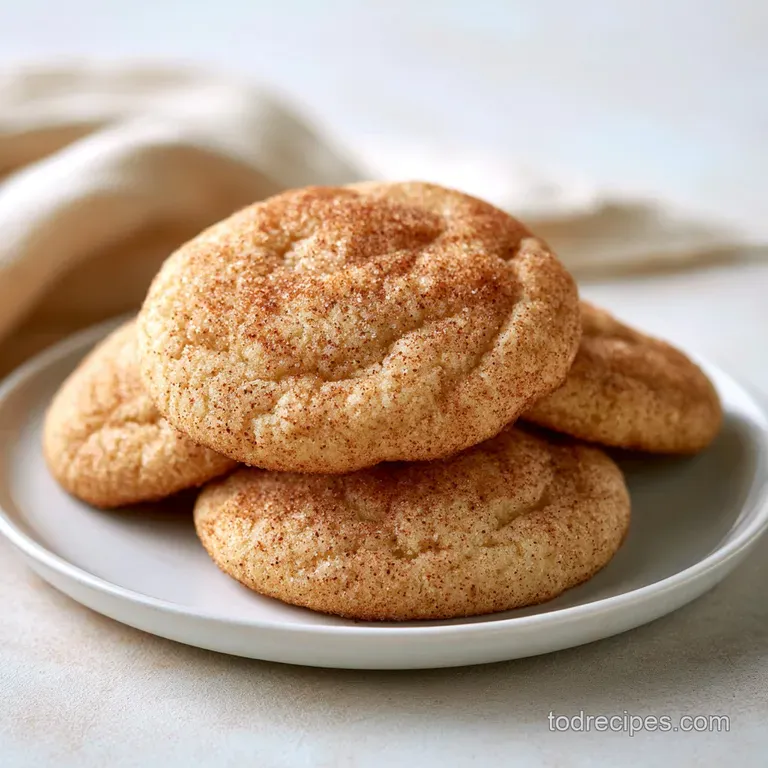
Since this is the Christmas Cookie we cant wait to pass down with Cinnamon, you want them to look the part. I love stacking them in a pyramid on a white ceramic platter, which makes the cinnamon color really pop.
For gifting, wrap stacks of three cookies in clear cellophane and tie them with a red velvet ribbon. If you're serving them at a party, place a few cinnamon sticks and dried orange slices around the plate to lean into that cozy, winter aesthetic.
It's a simple touch, but it makes the whole experience feel more intentional and homey.
Recipe FAQs
Why did my cinnamon cookies flatten too much?
Your butter was likely too warm or the oven wasn't fully preheated. When butter is too soft, it melts before the flour structure can set, causing the cookies to spread into one giant sheet.
Why are my cookies cakey instead of chewy?
You likely added too much flour. Scooping flour directly with a measuring cup often packs too much into the cup, resulting in a dry, bread like texture.
How to store these cookies to keep them soft?
Place them in an airtight container with parchment paper between layers. This prevents them from sticking and keeps the centers velvety for up to 5 days at room temperature.
Can I freeze the baked cookies?
Yes, they stay fresh in the freezer for 3 months. Simply thaw them for 30 minutes before eating to restore the original texture.
Is it true I should bake the cookies until the centers are completely firm?
No, this is a common misconception. Remove them from the oven at 350°F when the edges are set but the centers still look slightly underbaked and soft.
How to get the perfect cinnamon coating?
Roll 1 inch dough balls in a mixture of granulated sugar and ground cinnamon. Use a shallow bowl to ensure each ball is fully coated before placing them 2 inches apart on the sheet.
How to prevent the bottoms from burning?
Use a parchment lined baking sheet. This creates a necessary barrier between the dough and the direct heat; if you mastered the lining technique here, apply it to our molasses cookies for similar results.
Cinnamon Christmas Cookies