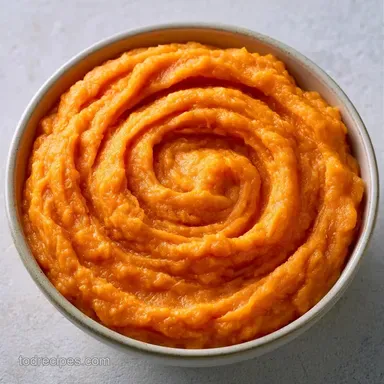
Roasted Sweet Potato Baby Food
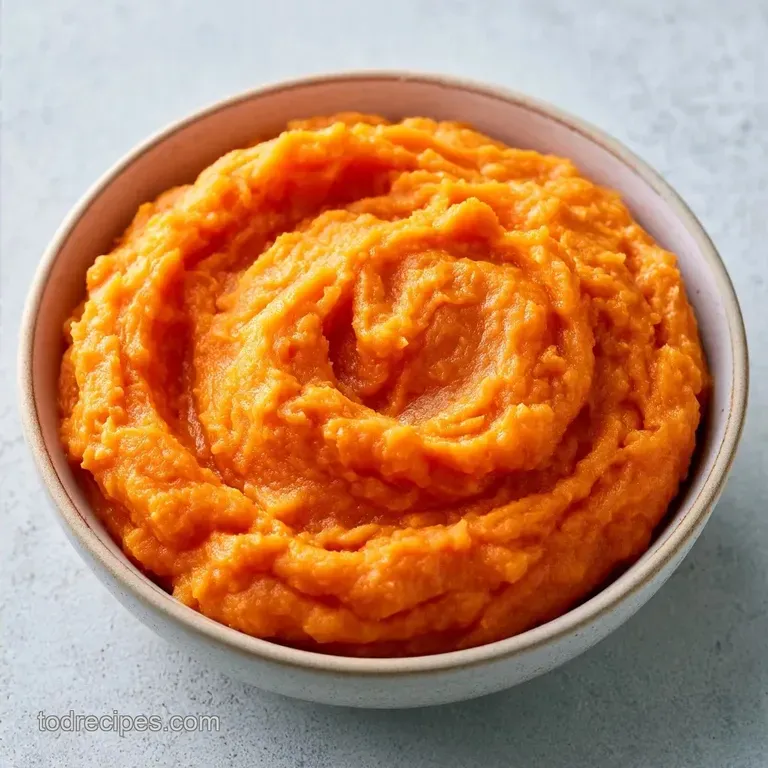
- Time: 5 min active + 40 min roasting
- Flavor/Texture Hook: Naturally sweet and glossy
- Perfect for: First time eaters and meal prep
- Sweet Potato Baby Food
- Why This Puree Wins
- Quick Recipe Details
- Essential Ingredients
- Kitchen Tools Needed
- Bringing It All Together
- Fixing Common Issues
- Troubleshooting Common Issues
- Adding New Flavors
- Keeping the Puree Fresh
- Pairing with Other Foods
- Scaling Your Batch
- Common Puree Myths
- Recipe FAQs
- 📝 Recipe Card
Sweet Potato Baby Food
The smell of caramelized sugars fills the kitchen when these roast. It's a warm, comforting scent that makes the whole house feel cozy. I remember the first time I fed my baby a puree, the nervous anticipation, and the sheer joy when they actually liked it.
This is a vibrant, rich starter that helps babies transition to solids. It's not just about nutrition, but about introducing a flavor that's naturally appealing.
You can expect a smooth, bright orange puree that holds its shape on a spoon. Using this method for First Sweet Potato Baby Food ensures the taste is concentrated and flavorful.
Why This Puree Wins
- Roasted Heat: High oven temps caramelize the natural sugars, making it sweeter than boiling.
- Familiar Liquids: Mixing in breast milk or formula keeps the taste familiar, which helps with acceptance.
| Method | Time | Texture | Best For |
|---|---|---|---|
| oven roasted | 40 min | Rich and dense | Maximum flavor |
| Steamed | 15 min | Mild and watery | Quick prep |
| store bought | 0 min | Uniform/Bland | Travel days |
What Each Ingredient Does
| Ingredient | What It Does | Best Swap |
|---|---|---|
| Sweet Potato | Provides beta carotene and sweetness | Butternut Squash |
| Breast Milk/Formula | Adds creaminess and familiar taste | Water |
Quick Recipe Details
Right then, let's look at the basics. This recipe makes about 8 small servings, which is great for a few days of meals.
The active work is minimal, mostly just peeling and dicing. The oven does the heavy lifting over 40 minutes. It's a low stress process that fits into a busy morning.
Essential Ingredients
- 1 lb sweet potato, peeled and diced into ½ inch cubes Why this? Uniform size ensures they cook evenly.
- 2 tbsp breast milk, formula, or water Why this? Adjusts the thickness to your baby's preference.
If you don't have formula or breast milk on hand, water works fine. However, the milk adds a bit of fat that makes the puree more filling.
Kitchen Tools Needed
You don't need anything fancy here. A standard baking sheet and parchment paper keep the cleanup fast.
For the blend, a small food processor or a stick blender is best. If you're making a huge batch, a full sized blender works, but you'll need to scrape the sides more often.
Bringing It All Together
Preparing the Root
Preheat your oven to 400°F (200°C) and line a baking sheet with parchment paper. Peel the sweet potato and dice it into small, uniform ½ inch cubes.
Roasting to Softness
Spread the cubes in a single layer on the pan. Roast for 20-25 minutes, tossing once halfway through, until edges are slightly browned and centers are tender.
Pureeing to a Glossy Finish
Transfer the hot sweet potato cubes into a blender or bowl. Add your chosen liquid one tablespoon at a time. Blend on high until the mixture is completely smooth and glossy.
Chef's Note: If the puree feels too thick, add liquid one teaspoon at a time. A little goes a long way when you want that silky consistency.
Fixing Common Issues
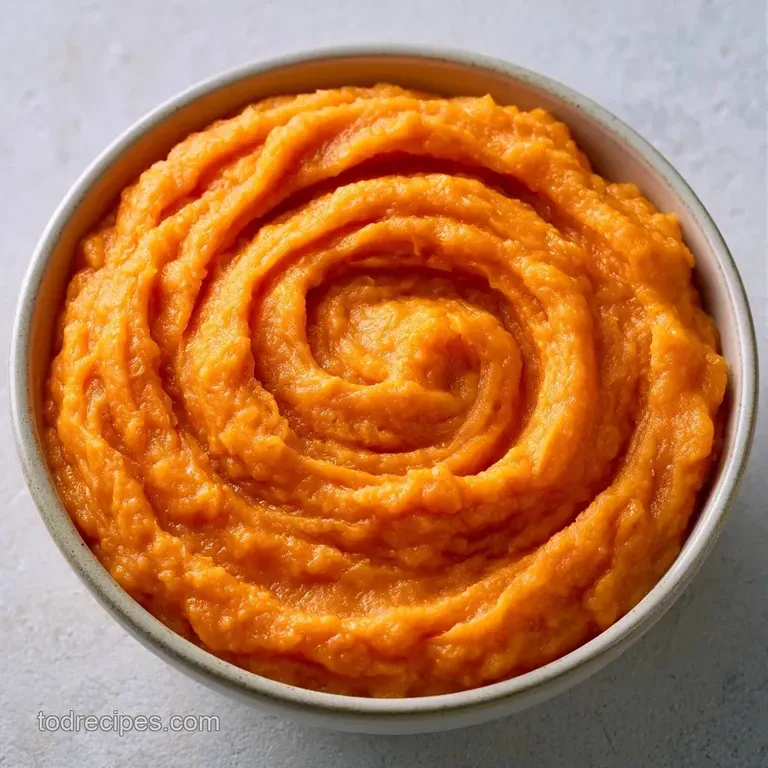
Sometimes the texture isn't quite right on the first try. It usually comes down to the roast or the blend.
Troubleshooting Common Issues
| Issue | Solution |
|---|---|
| Why Your Puree Is Grainy | This happens if the potatoes weren't roasted long enough or the blender didn't run long enough. The starch needs to be fully broken down to get a smooth feel. |
| Why Your Puree Is Too Runny | Adding too much liquid too fast is the usual culprit. It's easier to add more liquid than to thicken a puree that's already too thin. |
| Why Your Puree Tastes Burnt | If the cubes are too small or the oven is too hot, the edges char too much. This can add a bitter taste that babies might reject. |
Adding New Flavors
Once your baby has tried this a few times, you can start mixing in other things. A pinch of cinnamon can add a warm note, or you can mix it with a bit of avocado for healthy fats.
If you want a version with a deeper, more roasted profile for older babies, check out my Roasted Sweet Potato Puree recipe for more ideas.
You can also blend this with steamed peas or carrots to create a colorful medley. This helps them get used to different vegetable twists early on.
Keeping the Puree Fresh
Storing Potato Baby Food correctly is key for safety. Always let the puree cool slightly before sealing the container.
Refrigerating for Short Term Use
Keep the puree in an airtight glass jar in the fridge. It stays fresh for up to 3 days.
Freezing for Batch Success
Spoon the puree into silicone ice cube trays. Once frozen, pop the cubes into a freezer bag. They last for 3 months.
Reheating Safely
Thaw a cube in the fridge overnight. Warm it in a small pot over low heat or microwave in short bursts. Always stir and test the temperature on your wrist before serving.
According to USDA FoodData, sweet potatoes are rich in Vitamin A, so keeping the puree fresh preserves these nutrients. Use the peels in a compost bin to keep waste low.
Pairing with Other Foods
As your baby grows, you can move from smooth purees to chunkier textures. This recipe is a great base for other First Sweet Potato Baby meals.
Try mixing it with a bit of plain Greek yogurt for a tangy contrast. For later stages, you can use similar ingredients to make Baked Sweet Potato Tots as a finger food.
Scaling Your Batch
If you're making a double batch of Potato Baby Food, don't crowd the pan. Use two baking sheets so the cubes roast instead of steam.
For a larger batch, keep the liquid ratio the same, but add it gradually. If you're scaling down to a single serving, reduce the roast time by about 5 minutes since there's less mass in the oven.
Common Puree Myths
Some people say you must boil baby food to keep it "pure." That's not true. Roasting actually brings out more flavor and keeps the nutrients intact.
Another myth is that you should add salt to help the baby eat. Avoid this. Babies' kidneys aren't ready for added salt, and the natural sweetness of the potato is enough.
A final misconception is that all First Sweet Potato Baby meals must be perfectly liquid. As they get older, leaving a few tiny lumps helps them learn how to chew.
Recipe FAQs
Can I give my baby sweet potatoes as a first food?
Yes, they are an excellent choice. Their naturally sweet flavor and smooth texture make them easy for infants to accept and digest.
How do you make sweet potato first food for babies?
Roast diced sweet potatoes at 400°F for 20 25 minutes. Blend the tender cubes with breast milk, formula, or water until the mixture is completely smooth and glossy.
Is it true that sweet potatoes are a primary treatment for anemia?
No, this is a common misconception. While nutrient dense, they do not provide enough iron to treat anemia on their own compared to iron fortified cereals or meats.
How do I introduce sweet potatoes to my 6 month old?
Offer a small amount of smooth puree and wait a few days before introducing other new foods. This allows you to identify any potential allergic reactions.
How to cook and mash sweet potatoes?
Bake peeled cubes at 400°F until tender, then process in a blender with your chosen liquid. If you enjoyed mastering this blending technique here, see how the same principle works in creamy mashed sweet potatoes.
What recipe do you use for really great sweet potato dishes?
Focus on roasting at 400°F. High heat roasting caramelizes the natural sugars, creating a much richer flavor than steaming or boiling.
What are the best ways to cook sweet potatoes?
Roasting is the superior method for baby food. It prevents the puree from becoming watery and ensures a dense, flavorful base before blending.
Sweet Potato Baby Food