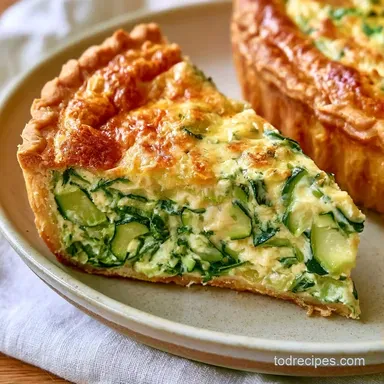
Healthy Zucchini Quiche with Buttery Crust
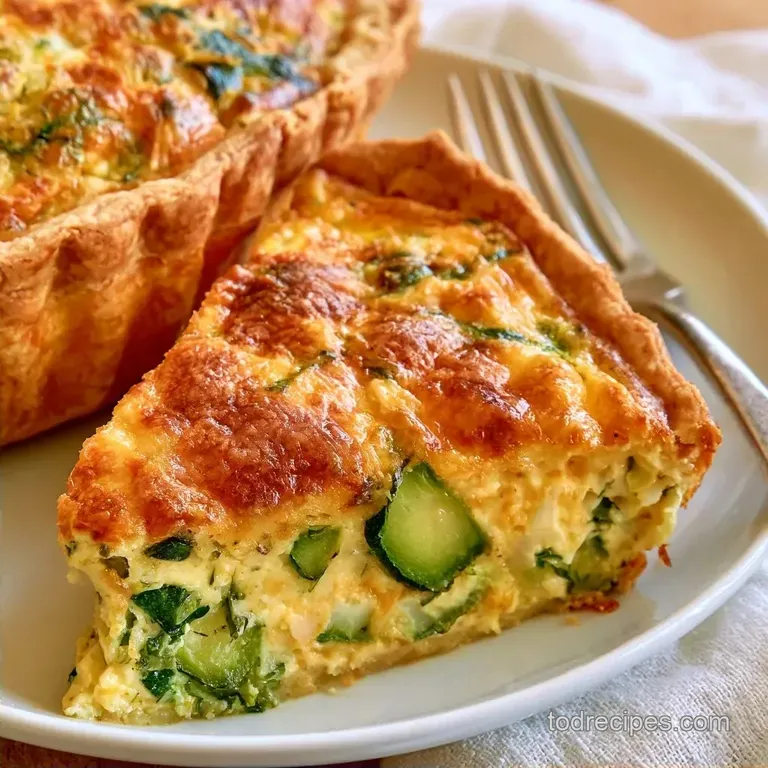
- Time: 30 min active + 45 min cook
- Flavor/Texture Hook: Rich, savory custard with tender, buttery zucchini
- Perfect for: Sunday brunch or a light weekday dinner
That loud, aggressive sizzle when the sliced squash hits the hot oil is the most important sound in this whole process. If you don't hear it, you're just boiling your vegetables, and that's how you end up with a watery mess.
I used to just toss raw zucchini into the egg mix because it seemed faster, but the result was always a soggy, pale slice that felt more like a wet omelet than a tart.
Once I started sautéing the vegetables first, everything changed. The Zucchini Quiche becomes something else entirely when the squash is browned and the onions are translucent. You get this deep, concentrated flavor that stands up to the richness of the cream and cheese.
You can expect a dish that hits several notes at once. It's got the crunch of a homemade pastry, the richness of melted Gruyère, and the freshness of summer squash. This Zucchini Quiche isn't about being fancy, it's about getting the moisture control right so every bite feels substantial.
The Real Way to Make Zucchini Quiche
If you've ever had a quiche that felt like a sponge, it's because of the water content in the vegetables. Zucchini is basically a sponge made of water. When it cooks inside the custard, it releases all that liquid, which thins out the eggs and prevents them from setting.
By sautéing the zucchini for about 8 minutes, we evaporate that excess water, leaving behind a concentrated, savory flavor.
Moisture Control: Sautéing the zucchini first prevents the custard from becoming runny. This is a similar logic to how I handle Parmesan Roasted Zucchini, where high heat removes the water quickly.
Custard Stability: The ratio of heavy cream to eggs creates a stable emulsion. The fat in the cream protects the egg proteins from over coagulating, which means you get a smooth, velvety texture instead of something rubbery.
Crust Integrity: Blind baking the crust for a few minutes creates a barrier. This prevents the liquid custard from soaking into the raw dough, which is the only way to avoid the dreaded "soggy bottom."
Flavor Map
- Rich: Heavy cream and melted Gruyère.
- Fresh: Sautéed zucchini and minced garlic.
- Savory: Toasted flour crust and a hint of nutmeg.
- Bright: Sautéed yellow onion and black pepper.
Why the Custard Stays Firm
Sautéed Squash: Cooking the zucchini first removes the water that usually ruins the set of the eggs.
Heavy Cream Fat: The high fat content slows down the egg proteins, keeping the filling tender.
Pre baked Base: A quick blast in the oven seals the crust so it doesn't absorb the filling.
Picking the Right Ingredients
For the base, all purpose flour provides the necessary structure. You can use pastry flour if you want a more delicate crumb, but all purpose is more reliable for holding heavy fillings. Chilled unsalted butter is non negotiable.
Cold butter creates tiny steam pockets as it melts in the oven, which is what makes the crust flaky.
The zucchini needs to be medium sized. Huge zucchinis have too many seeds and a higher water content, which can make the Zucchini Quiche feel grainy. Gruyère is my go to because it melts beautifully and has a nutty punch. If you can't find it, a sharp Cheddar works, though it's a bit more aggressive in flavor.
Nutmeg is the a typical addition here. You only need a pinch, but it bridges the gap between the earthy zucchini and the creamy eggs. It's a classic French technique that makes the Zucchini Quiche taste like it came from a bistro.
Gear for the Kitchen
You'll need a 9 inch tart pan or pie dish. If you use a glass dish, keep in mind it holds heat longer than metal, so keep an eye on the bottom crust. A food processor is the fastest way to handle the dough, but a pastry cutter and a bowl work just as well if you don't mind a bit of arm work.
For the filling, a wide skillet is better than a deep pot. You want the zucchini spread out so the water evaporates quickly. If the pan is too crowded, the vegetables will steam instead of brown, and you'll lose that toasted flavor. A whisk and a medium bowl for the custard are the final pieces of the puzzle.
Cooking the Zucchini Quiche
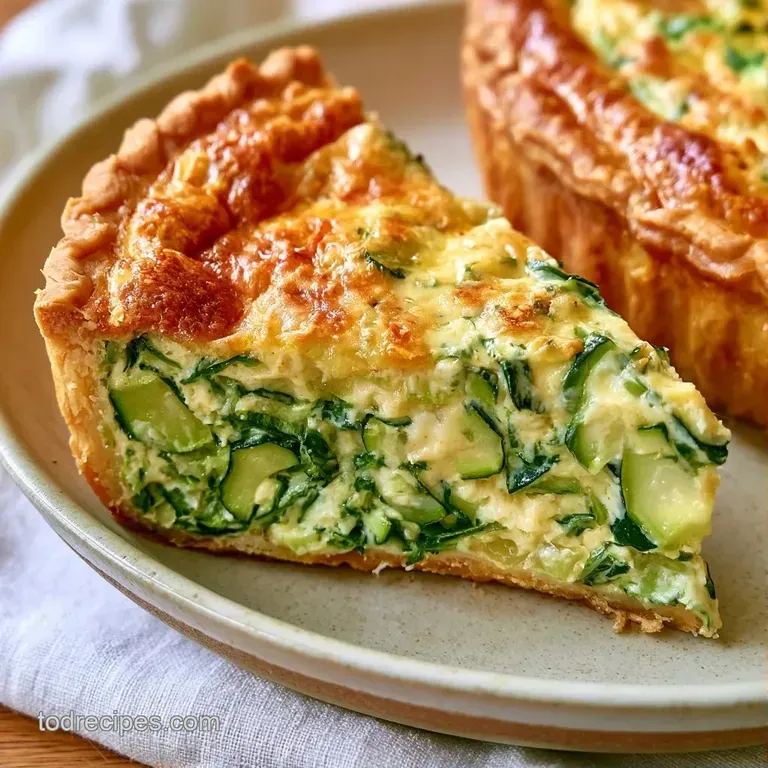
Preparing the Base
- Pulse flour, salt, and chilled butter in a food processor until the mixture looks like coarse crumbs. Note: Don't overprocess or the crust will be tough.
- Gradually add ice water, stirring with a fork until the dough just comes together.
- Press the dough into the 9 inch pan. Prick the bottom with a fork and chill in the freezer for 10 minutes.
- Bake the crust at 375°F (190°C) for 8–10 minutes until pale gold.
Sautéing the Vegetables
- Heat olive oil in a skillet over medium heat. Add onion and sauté for 5 minutes until translucent.
- Add zucchini and garlic. Cook for 6–8 minutes until the zucchini is tender and the liquid has evaporated. Remove from heat and let cool slightly.
Assembling and Baking
- In a bowl, whisk eggs, cream, nutmeg, salt, and pepper until smooth and slightly frothy.
- Spread the sautéed zucchini mixture evenly across the pre baked crust. Sprinkle 1 cup of cheese over the vegetables.
- Gently pour the egg mixture over the top.
- Bake at 375°F (190°C) for 30–35 minutes until the center is set and the edges are golden brown.
Chef's Note: Let the Zucchini Quiche sit for at least 15 minutes after taking it out of the oven. If you cut into it immediately, the custard can leak, and the slices won't hold their shape.
Handling Common Quiche Issues
The most common complaint is a filling that doesn't set. This usually happens if the vegetables were still dripping with water when they went into the crust. If you see a pool of liquid on top of your Zucchini Quiche, it's a sign that the sauté step was rushed.
Another issue is a crust that shrinks down the sides of the pan. This happens when the dough is worked too much or not chilled long enough. Cold dough is stable dough. If you skip the freezer step, the gluten relaxes too much during baking and pulls away from the edges.
Finally, a cracked top is usually a sign of overcooking. Eggs are sensitive to heat. Once the center has a slight wobble but isn't liquid, take it out. Carryover heat will finish the job while it rests.
| Problem | Root Cause | Solution |
|---|---|---|
| Watery filling | Under sautéed zucchini | Cook squash until all liquid evaporates |
| Soggy bottom | Skipping the blind bake | Bake crust for 8-10 mins before filling |
| Cracked surface | Oven temp too high or overbaked | Remove when center has a slight wobble |
| Shrinking crust | Dough was too warm | Chill in freezer for 10 mins before baking |
Dietary Adaptations
If you want a lighter version, you can make a Crustless Zucchini Quiche. Just grease a pie dish well with butter and omit the flour and butter dough. The bake time will be about 10 minutes shorter since there's no pastry to cook through.
For those skipping grains entirely, this is a great way to get all the flavor of the Zucchini Quiche without the carbs.
For a quicker version, you can use a Zucchini Quiche with Bisquick or a store-bought frozen crust. The taste is a bit more uniform and less buttery, but it saves about 20 minutes of prep. Just make sure to still blind bake the store-bought crust for a few minutes to ensure it stays crisp.
If you're looking for something even fresher, try pairing a slice of this with a Recipe with Feta Cheese for a full on garden feast.
Quick Adjustment Guide
- Extra tang? → fold in 1 tsp lemon zest
- More bite? → add diced bell peppers to the sauté
- Lighter feel? → swap heavy cream for half and half
| Original Ingredient | Substitute | Why It Works |
|---|---|---|
| Gruyère Cheese | Sharp Cheddar | Similar saltiness. Note: More aggressive flavor profile |
| Heavy Cream | Half and Half | Lower fat. Note: Custard will be slightly less rich |
| All Purpose Flour | Almond Flour | Grain free. Note: Crust will be denser and more fragile |
Keeping Leftovers Fresh
Place any leftover Zucchini Quiche in an airtight glass container. It will keep in the refrigerator for 3 to 4 days. In my experience, the tastes blend even better by the second day, so the leftovers are every bit as delicious as the first serving.
Freezing is possible, though slightly complicated. Wrap each slice first in parchment paper, then in foil. Let the quiche defrost in the refrigerator overnight. To maintain a crisp crust, skip the microwave and warm the slice in a 325°F (160°C) oven for 10-15 minutes.
To reduce waste, save your zucchini ends and onion skins. I store these trimmings in a "scrap bag" in my freezer. When the bag is full, I simmer the contents with water and a bay leaf to create a simple vegetable stock for future soups.
Best Sides for Quiche
Since the Zucchini Quiche is quite decadent, pairing it with something zesty or fresh helps balance the flavor. A peppery arugula salad tossed in lemon dressing is a timeless option, as the bitter greens offset the richness of the cheese and cream.
For a brunch spread, try adding sliced avocado or blistered cherry tomatoes for a pop of color. I also recommend a side of fresh berries; their natural sweetness creates a lovely counterpoint to the savory notes of Gruyère and nutmeg.
If you want a more filling dinner, roasted potatoes or a light corn salad are great choices. To keep the meal from feeling too heavy, avoid pairing it with additional creams or cheeses. Let the Zucchini Quiche take center stage by keeping the sides bright and light.
Now you're all set to serve. Just keep an ear out for the sizzle in your pan and be sure to let the dough chill completely. I promise the extra patience results in a much better crust texture. Enjoy your Zucchini Quiche!
Recipe FAQs
Do you need to cook zucchini before putting in quiche?
Yes, you should sauté the zucchini first. This evaporates excess moisture so the custard sets properly and the crust stays crisp.
Is zucchini too watery for quiche?
No, this is a common misconception. Sautéing the slices for 6 8 minutes removes the liquid and concentrates the flavor.
How is it possible to make quiche without carbs?
Omit the pastry crust and pour the filling directly into a greased pan. This creates a crustless version that relies entirely on the egg custard for structure.
What are some great side dishes for quiche?
Fresh garden salads or roasted asparagus pair beautifully with this tart. If you enjoy savory vegetable filled dishes, you might also like these stuffed boats.
Can I prepare a crustless quiche ahead of time?
Yes, you can assemble the filling and store it before baking. Just ensure the sautéed vegetables have cooled completely to avoid thinning the egg mixture.
Why did my crustless quiche turn out watery?
The zucchini likely wasn't cooked long enough to evaporate its natural juices. Ensure the pan is hot enough to create a sizzle when the vegetables hit the oil.
What should you avoid when making quiche?
Avoid adding raw vegetables directly into the egg mixture. This leads to a soggy texture and prevents the custard from reaching a stable set.
Which technique ensures the best results for zucchini quiche?
Sautéing the zucchini until the liquid has fully evaporated is the most critical step. This prevents the filling from weeping and keeps the pastry buttery and crisp.
Healthy Zucchini Quiche