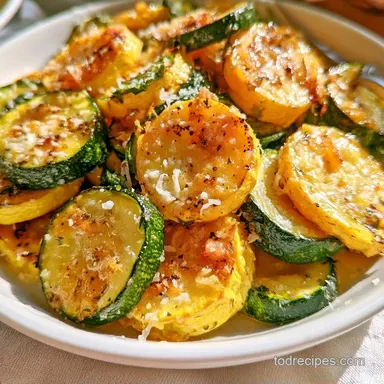
Sauteed Zucchini and Yellow Squash with Garlic
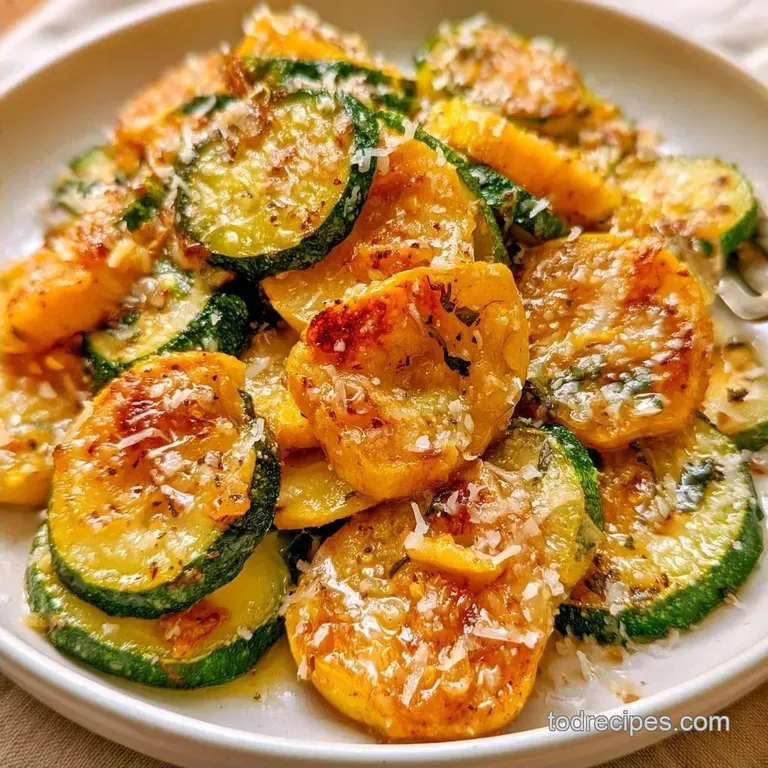
- Time: 5 min active + 10 min cooking
- Flavor/Texture Hook: Buttery, garlic forward with caramelized golden edges
- Perfect for: Quick weeknight sides or summer potlucks
Quick Sauteed Zucchini and Yellow Squash
Nothing says July quite like the aroma of salted butter sizzling in a hot cast iron pan. For many across America, summer is defined by a sudden influx of garden squash. It starts with just a few, but before you know it, your porch is piled with bags of zucchini left by neighbors.
While it's a lovely gesture, it often results in the same issue: bland, mushy vegetables.
I once tried simmering everything together in a single pot, but that was a blunder. The outcome was always a colorless, soggy mess that lacked any real flavor. The secret is to treat the vegetables properly, ensuring they have enough room to brown instead of steaming.
This side dish offers a deep, buttery flavor profile complemented by a fresh, zesty splash of lemon. This approach to Sauteed Zucchini and Yellow Squash emphasizes the harmony between the squash's gentle sweetness and the sharp, salty tang of Parmesan cheese.
Recipe Specs
This dish is designed for speed. It takes about 5 minutes to slice everything and 10 minutes at the stove. Since we are using a over high heat method, the vegetables don't have time to release all their internal water, which keeps the texture firm.
The flavor profile relies on "aromatics" - the onion and garlic - which create a savory foundation. Adding the lemon juice at the very end wakes up the heavy butter and cheese, making the whole dish feel fresh and vibrant.
Why High Heat Wins
Flash Searing: High heat browns the exterior of the squash quickly, creating a savory crust before the inside collapses.
Moisture Control: Fast cooking prevents the vegetables from releasing too much water, which stops them from boiling in their own juices.
| Method | Time | Texture | Best For |
|---|---|---|---|
| Stovetop | 15 mins | Tender Crisp | Quick sides |
| oven roasted | 25 mins | Soft/Concentrated | Large batches |
Ingredient Deep Dive
The combination of zucchini and yellow squash provides a beautiful color contrast on the plate. While they taste similar, yellow squash is often slightly sweeter, while zucchini has a more neutral, earthy tone.
For the fats, salted butter provides a richness that oil can't match, though you can use a neutral oil if you prefer. The sweet onion is crucial here; it adds a layer of caramelized depth that balances the sharpness of the garlic.
The Flavor Aromatics
The garlic is added late in the process. This is because garlic burns much faster than onions. If the garlic turns dark brown or black, it becomes bitter and ruins the mild flavor of the squash.
The Finishing Touches
Fresh lemon juice is a non negotiable. It cuts through the fat of the butter and Parmesan, brightening the entire dish. Freshly grated Parmesan is better than the canned stuff because it melts more smoothly and has a more complex, salty flavor.
Ingredients and Substitutes
- 1 lb zucchini, sliced into ¼-inch rounds Why this? Ensures each piece cooks uniformly.
- 1 lb yellow squash, sliced into ¼-inch rounds Why this? Provides bright color and a mild sweetness.
- 2 tbsp salted butter Why this? Establishes a rich, savory foundation.
- ½ cup sweet onion, finely diced Why this? Adds complexity and a touch of sweetness.
- 3 cloves garlic, minced Why this? Delivers a bold, pungent aromatic quality.
- ¼ cup freshly grated Parmesan cheese Why this? Contributes a salty, umami packed finish.
- ½ tsp kosher salt Why this? Amplifies all the other flavors.
- ¼ tsp black pepper Why this? Gives a gentle hint of spice.
- 1 tbsp fresh lemon juice Why this? Offsets the richness with a pop of acidity.
| Original Ingredient | Substitute | Why It Works |
|---|---|---|
| Salted Butter | Olive Oil | Similar fat content. Note: Forgoes the creamy, buttery taste |
| Parmesan Cheese | Pecorino Romano | Another hard cheese. Note: Much sharper and saltier |
| Sweet Onion | Shallots | Similar flavor profile. Note: More refined with a touch of garlic |
Essential Kitchen Tools
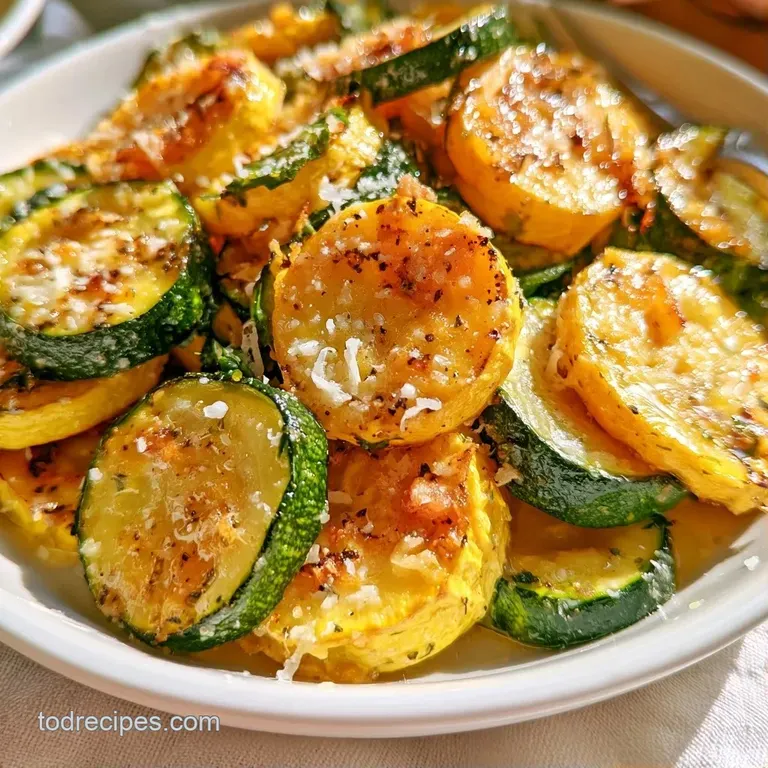
A large cast iron skillet is my top choice here. Cast iron holds heat better than almost any other material, which is vital for getting those golden brown edges. If you don't have one, a heavy stainless steel pan works well too.
Avoid non stick pans if you can. While they are easy to clean, they don't sear vegetables as effectively. You want a pan that can handle high heat without warping. A sharp chef's knife is also a must to get those rounds exactly ¼-inch thick.
The Cooking Process
Prepping the Produce
Slice the zucchini and yellow squash into uniform ¼-inch thick rounds. Keep the piles separate for a moment so you can ensure they are all the same size.
Searing the Aromatics
Heat the butter over medium high heat in your skillet until it starts shimmering. Add the diced onions and sauté for 2–3 minutes until they look translucent and soft.
Adding the Garlic
Stir in the minced garlic and cook for 30 seconds until the aroma fills the kitchen. Be careful not to let it brown.
Flash Cooking the Squash
Increase the heat to high. Add the zucchini and yellow squash in a single layer. Let the vegetables sit undisturbed for 2 minutes until the bottom edges are golden brown.
Finishing the Sauté
Toss the vegetables gently. Cook for another 3–5 minutes, stirring occasionally, until the squash is tender but still holds its shape.
Final Flavor Coating
Remove the pan from the heat immediately. Sprinkle with salt, black pepper, and Parmesan cheese. Drizzle with lemon juice and toss one final time to coat everything evenly.
Solving Common Problems
The most common issue people have with Sauteed Zucchini and Yellow Squash is the "watery mess" syndrome. This usually happens because the pan was too full. When you crowd the pan, the vegetables release steam that can't escape, which boils the squash instead of searing it.
Another common problem is the garlic tasting bitter. This happens if the garlic stays in the pan too long while the heat is too high. Always add the garlic just before the main vegetables.
Fixing Watery Vegetables
If you see a pool of liquid forming in your pan, you've likely overcrowded it. The solution is to use a larger pan or cook in two batches.
Preventing Burnt Garlic
Garlic has a very low burn point. Keep it moving for those 30 seconds, then immediately add the squash to lower the temperature of the pan surface.
| Problem | Root Cause | Solution |
|---|---|---|
| Soggy texture | Overcrowded pan | Cook in smaller batches |
| Bitter taste | Burnt garlic | Add garlic seconds before squash |
| Pale color | Heat too low | Increase to high for searing |
| Goal | What to change |
|---|---|
| More bite | Reduce cook time by 2 mins |
| Extra richness | Add 1 tbsp heavy cream at end |
| Zestier flavor | Double the lemon juice |
Storage and Waste
Store leftovers in the fridge for 3 days. Note that the squash may release more liquid as it sits, which will soften the texture.
When reheating, try to avoid the microwave, as it often turns the squash into mush. Instead, pop them back into a hot skillet for 2 minutes to cook off any extra moisture and restore the sear.
To reduce waste, save your onion skins and zucchini ends in a "stock bag" in the freezer. Once the bag is full, simmer the scraps in water for one hour to make a quick garden broth. If you have a surplus of zucchini, you can use them up in a sweet treat by making zucchini brownies.
Customizing Your Squash
If you want to add more heartiness to this dish, try stirring in some diced red bell peppers or halved cherry tomatoes during the last 3 minutes of cooking. For a different flavor profile, replace the lemon juice with a splash of balsamic vinegar for a tangier, darker finish.
You can also add a pinch of red pepper flakes if you like a bit of heat. If you're looking for a more substantial meal, these vegetables make a great filling for stuffed zucchini boats.
Boosting the Umami
For a deeper flavor, add a teaspoon of soy sauce or a pinch of smoked paprika. This complements the Parmesan and adds a "grilled" quality to the stovetop method.
Going Fully Vegan
Replace the butter with a high-quality vegan butter or avocado oil. Swap the Parmesan for nutritional yeast or a vegan parmesan alternative to keep the salty, cheesy vibe.
Serving and Pairing
This dish is best served immediately while the edges are still crisp and the cheese is just starting to melt. It works beautifully as a side for grilled salmon, roasted chicken, or a juicy steak.
For a lighter meal, serve the squash over a bed of quinoa or farro. The grains soak up the leftover garlic butter from the pan, making the whole plate feel cohesive.
The Classic Protein Pair
Pair this with a lemon garlic chicken breast. The citrus notes in both dishes mirror each other, creating a fresh, seasonal feel that is typical of summer dining.
The Vegetarian Power Bowl
Toss the Sauteed Zucchini and Yellow Squash with chickpeas and a dollop of hummus. This turns a simple side into a protein packed lunch that holds up well if you're packing it for work.
Myth Check: Many people believe that searing vegetables "locks in" the nutrients. This isn't actually true. Some vitamins are lost to heat regardless of the method. However, the searing process creates flavor compounds that make the vegetables more palatable, encouraging you to eat more of them.
That's the real win.
Recipe FAQs
Can yellow squash and zucchini be cooked together?
They cook at the same rate and pair perfectly in one pan.
Tip: Cut both into uniform 1/4 inch rounds to ensure consistent doneness.
How to prevent the vegetables from becoming mushy?
Sear the vegetables on high heat for two minutes without stirring to develop caramelized edges.
Tip: Serve these alongside lemon herb fillets for a light, healthy meal.
Which fat is best for sauteing zucchini?
Salted butter provides a richer flavor and better browning than oil.
Tip: Heat the butter over medium high until shimmering before adding the onions.
What seasonings work best for this dish?
A mix of salt, black pepper, Parmesan cheese, and fresh lemon juice creates a bright, savory profile.
Tip: Toss in the cheese and lemon juice after removing the pan from the heat to prevent the cheese from clumping.
Is it true you must peel zucchini before cooking?
Not true. The skin is tender and provides essential color and nutrients to the dish.
Tip: Simply wash the exterior and slice directly into rounds for the best texture.
Sauteed Zucchini And Yellow Squash