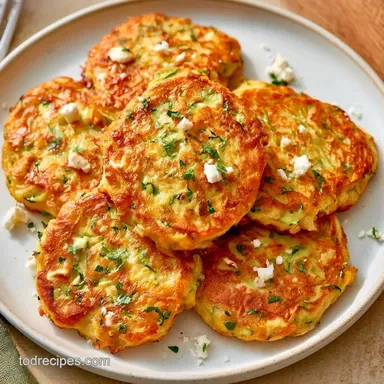
Crispy Zucchini Fritters Greek with Feta
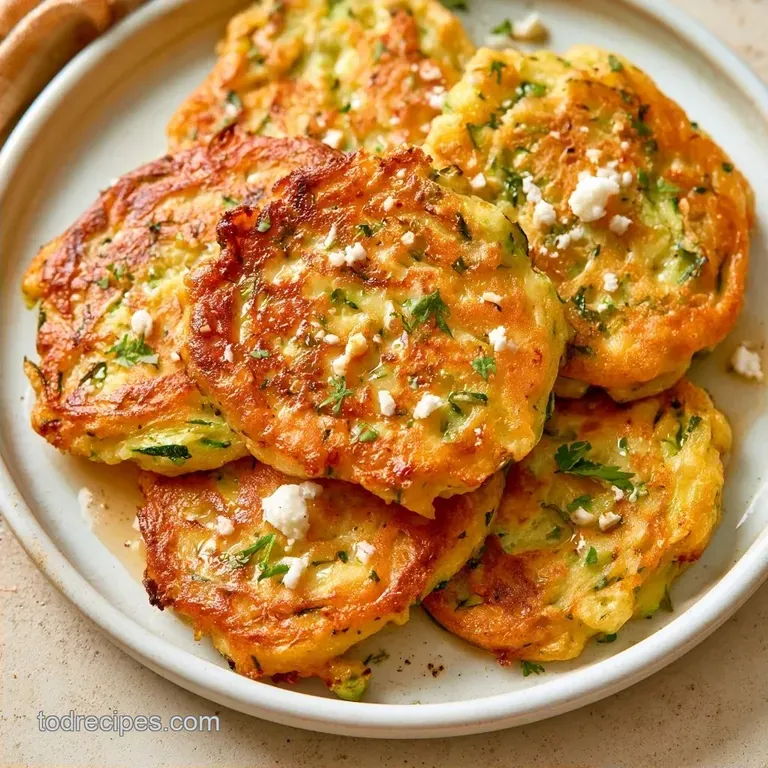
- Time: 15 mins prep + 15 mins on the heat
- The Appeal: Brittle, crunchy edges with bursts of salty feta
- Perfect for: Quick appetizers, meze platters, or a light lunch
The sound of olive oil shimmering in a skillet is the only alarm clock I need. When you slide a scoop of herby batter into that heat, the sizzle is a signal that dinner is finally happening.
There is something about the fragrance of fresh mint and salty feta hitting hot oil that instantly transports your kitchen to a seaside taverna.
I once tried making these without the squeezing phase. Thinking a bit of extra moisture would keep them soft, I instead ended up with pale, soggy discs that tasted like steamed squash. It was a total disaster.
Now, I understand that the line between a mushy pancake and a crisp fritter is defined by how hard you're willing to wrestle with a kitchen towel.
Expect a bright, lively dish here. These Zucchini Fritters Greek are defined by fresh herbs and the sharp, tangy punch of feta. They require very little work, but the reward is a sophisticated snack that feels fancy without the stress.
Zucchini Fritters Greek Quick Specs
Getting these right depends on a few specific numbers. If you eyeball the heat or the timing, you risk a greasy center. Stick to these markers for the best results.
First, the oil must be medium high. If it's too cool, the batter absorbs the fat like a sponge. If it's too hot, the outside burns before the egg sets in the middle. I use a thermometer to hit about 350°F (175°C) before the first batch goes in.
Second, the cook time is a strict 3-4 minutes per side. Watch for that mahogany color. If they are still pale yellow, they won't have the structural integrity to stay crisp. Third, the zucchini must be squeezed until the towel feels almost dry.
If you see droplets of water in your batter, stop and squeeze again.
| Method | Time | Texture | Best For |
|---|---|---|---|
| Classic (Slow Drain) | 2 hours | Very Dry / Rigid | Slow Weekends |
| Fast (Salt & Squeeze) | 15 mins | Tender / Crisp | Weeknight Meals |
Why This Batter Works
The goal here is to manage moisture and structure. Since zucchini is mostly water, we have to change how it behaves before it hits the pan.
Water Extraction: Salt draws moisture out of the vegetable cells through osmosis. This prevents the batter from becoming a soup, which is why the "squeeze" step is the most important part of the process. Serious Eats' testing shows that draining zucchini prevents a gummy crumb.
Binding Strength: The egg and flour create a network that traps the feta and herbs. Panko crumbs add an extra layer of insurance by absorbing any remaining surface moisture, which helps the exterior brown quickly.
| Component | Purpose | Substitute Notes |
|---|---|---|
| Feta | Salt and Tang | Halloumi (saltier and firmer) |
| Panko | Crisp Structure | Breadcrumbs (creates a denser crust) |
| Mint/Dill | Freshness | Parsley (milder, more neutral flavor) |
The Ingredient List
Keep your herbs fresh for the most vibrant colors. Dried herbs won't give you that punchy, garden fresh aroma that defines these Zucchini Fritters Greek.
- 1 lb (450g) zucchini, coarsely grated
- 1/2 cup (60g) feta cheese, crumbled Why this? Adds the necessary salt and creamy tang
- 4 green onions, finely chopped
- 3 tbsp (9g) fresh mint, finely chopped Why this? Provides the signature Greek brightness
- 2 tbsp (6g) fresh dill, finely chopped
- 1 large egg, beaten
- 1/2 cup (65g) all purpose flour
- 4 tbsp (25g) Panko bread crumbs Why this? Larger flakes create a crispier exterior
- 1/2 tsp (3g) salt
- 1/4 tsp (1g) black pepper
- 1/2 cup (120ml) extra virgin olive oil
Right then, let's talk about swaps. If you don't have Panko, standard breadcrumbs work, but the texture will be slightly more uniform and less "shattery."
| Original Ingredient | Substitute | Why It Works |
|---|---|---|
| All purpose Flour | Chickpea Flour | Binds well. Note: Adds a nuttier taste |
| Olive Oil | Grapeseed Oil | High smoke point. Note: Very neutral flavor |
| Egg | Flax Egg | Vegan binder. Note: Earthier taste and softer bite |
Essential Kitchen Tools
While a few specialized tools can speed up the process, they aren't strictly required. A box grater is standard, but using a food processor with a grating disc is even better for achieving uniform shreds while protecting your knuckles.
You will need a large mixing bowl to salt the zucchini and fold in the feta. For the stovetop, use a heavy bottomed skillet such as stainless steel or cast iron to ensure steady heat. Non-stick pans are acceptable, though you'll sacrifice some of the deep browning.
Finally, prepare a clean kitchen towel or a large piece of cheesecloth. This is essential for tightly wringing out the excess water from the zucchini shreds.
Step by step Frying
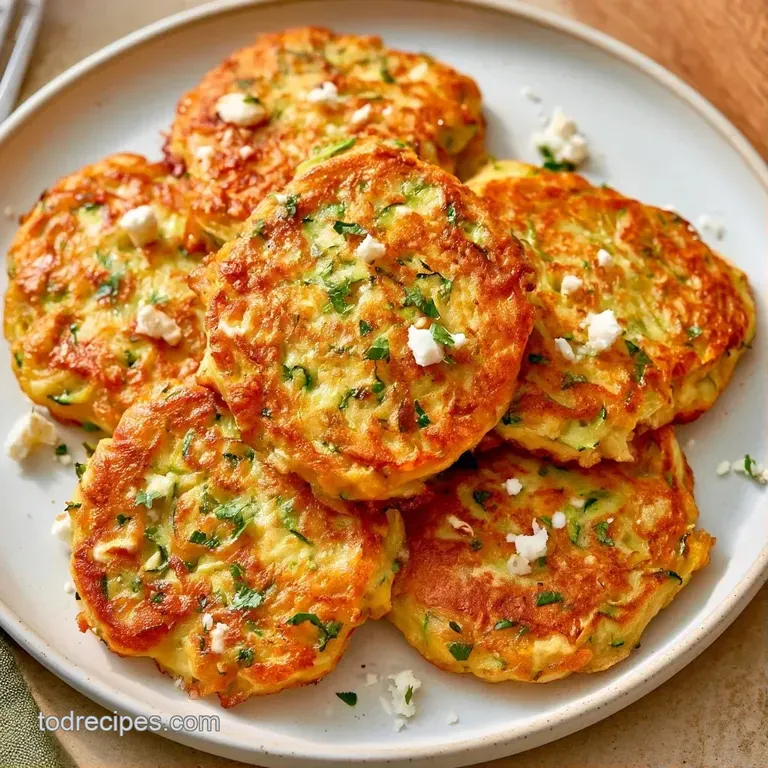
Let's crack on. Keep your oil ready and your herbs chopped before you start the zucchini, as the batter is best when fried relatively quickly after mixing.
- Grate the zucchini into a bowl and toss with a pinch of salt. Note: This starts the water extraction process
- Let the zucchini sit for 5 minutes.
- Transfer the shreds to a kitchen towel. Twist and squeeze firmly until no more liquid escapes.
- In a large bowl, combine the squeezed zucchini, crumbled feta, green onions, mint, and dill. Note: The smell of raw mint and salty feta is incredible here
- Fold in the beaten egg, flour, and Panko crumbs.
- Mix until the batter is cohesive and just barely holds its shape.
- Heat oil in the skillet over medium high heat until it shimmers.
- Scoop about 2 tablespoons of batter per fritter, flattening them slightly with the back of the spoon.
- Fry for 3–4 minutes per side until a mahogany colored crust forms and the edges are crisp.
- Transfer to a wire rack or paper towels to drain.
Chef's Note: If you're making a large batch, don't crowd the pan. Adding too many fritters at once drops the oil temperature, which leads to oil soaked patties instead of crisp ones.
Fixing Common Fritter Fails
Even easy dishes can have hiccups. Most issues with Greek Zucchini Fritters stem from moisture control.
Fixing Mushy Middles
If your fritters are soft in the center, the zucchini wasn't squeezed sufficiently. The batter likely resembled a thick soup rather than a chunky paste. To correct this during mixing, stir in one extra tablespoon of Panko crumbs to soak up the excess liquid. For a different take on texture, you might like my Zucchini Potato Fritters, which use starch to ensure crispness.
Preventing Flattening
If your fritters spread into thin pancakes, the binder is too weak. This typically happens if the egg was too small or the zucchini remained too wet. You can stir in another tablespoon of flour, but avoid overmixing, or they will turn out bready.
Avoiding Greasy Fritters
When fritters absorb too much oil, it is almost always because the pan wasn't hot enough. The oil should sizzle the moment the batter hits the surface. If you notice the oil bubbling sluggishly, remove the fritters and let the pan reheat for two minutes.
Fresh Flavor Twists
After mastering the basic recipe, feel free to experiment with the aromatics. These Greek Zucchini Fritters are very adaptable. To give them a bit more kick, stir in some red pepper flakes for a touch of spice.
If you'd rather avoid frying, you can try this baked parmesan version. Simply brush them with oil and bake at 400°F (200°C) until golden. For a vegan alternative, use a flax egg instead of a regular egg and swap the feta for firm tofu crumble seasoned with salt and lemon juice.
You can also trade the mint for fresh basil and the dill for parsley to shift from a Greek style toward an Italian one. Just remember to stick to the salt and squeeze technique, or you'll end up with the same soggy disaster I encountered years ago.
| Goal | What to change |
|---|---|
| Extra Crunch | Increase Panko by 1 tbsp |
| Lighter Taste | Swap feta for ricotta |
| Stronger Herbs | Double the fresh mint |
Storage and Scraps
These Greek Zucchini Fritters are ideal served immediately, though they stay delicious with proper storage. Keep them in a tightly closed container in the fridge for a maximum of 3 days.
When reheating, skip the microwave to avoid a rubbery texture; instead, sear them in a hot pan for 2 minutes on each side.
To freeze, place them on a baking sheet for an hour to flash freeze before transferring them to a freezer bag. They remain good for roughly 2 months. Warm them from frozen using an air fryer at 375°F (190°C) for 8-10 minutes.
If you used a peeler for aesthetics, don't waste the zucchini skins. Coat the peels in salt and oil, then roast at 400°F (200°C) for 5 minutes to create a crunchy garnish.
Additionally, you can freeze leftover green onion tops in an ice cube tray mixed with olive oil for use in future sautéed meals.
Perfect Complements
The key to serving Zucchini Fritters Greek is balance. The fritters are rich and salty, so you need something acidic to cut through the fat. A simple tzatziki Greek yogurt, grated cucumber, garlic, and lemon is the classic choice.
For a full meze platter, serve these alongside kalamata olives, sliced cucumbers, and a scoop of hummus. If you're making this a main meal, a side of lemon dressed arugula or a tomato cucumber salad works perfectly. The bitterness of the greens offsets the creamy feta in the fritters.
Since these Zucchini Fritters Greek are small and punchy, they also work as a great addition to a brunch spread. Serve them with a poached egg on top and a drizzle of chili oil for a vegetable twist on a classic breakfast. Trust me on this, the runny yolk acting as a sauce for the crispy fritter is a winner.
Right then, you're all set. Just remember to squeeze that zucchini like it owes you money, and your Zucchini Fritters Greek will be crisp, golden, and full of that vibrant Mediterranean flavor.
Recipe FAQs
What makes Greek zucchini fritters unique?
The combination of salty feta and fresh herbs. Mint and dill provide a cooling contrast to the fried zucchini, creating a bright, Mediterranean profile.
How to make zucchini fritters crispy?
Squeeze the grated zucchini firmly in a kitchen towel. Removing as much liquid as possible prevents the batter from steaming and ensures a mahogany colored crust.
What are Greek zucchini fritters called?
They are known as Kolokithokeftedes. This traditional name literally translates to "zucchini balls" or fritters in Greek.
Which method makes these Greek style?
Combine squeezed zucchini with feta, green onions, mint, and dill. Fold in beaten egg, flour, and Panko crumbs before frying in olive oil over medium high heat.
Could yellow squash substitute for zucchini?
Yes, it is a perfect alternative. If you enjoy the roasted texture of roasted squash, you'll find it works flawlessly here with the same ratios.
Is it true that you can skip squeezing the zucchini?
That's a myth. Without removing the excess water, the fritters will become soggy and fall apart in the pan.
Greek Zucchini Fritters