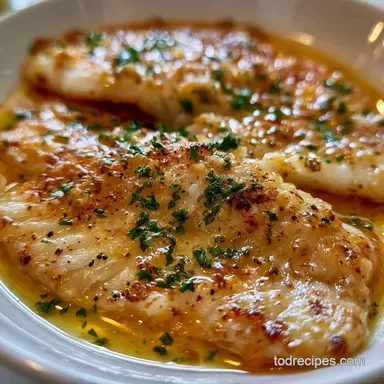
Oven Baked Tilapia with Lemon Butter
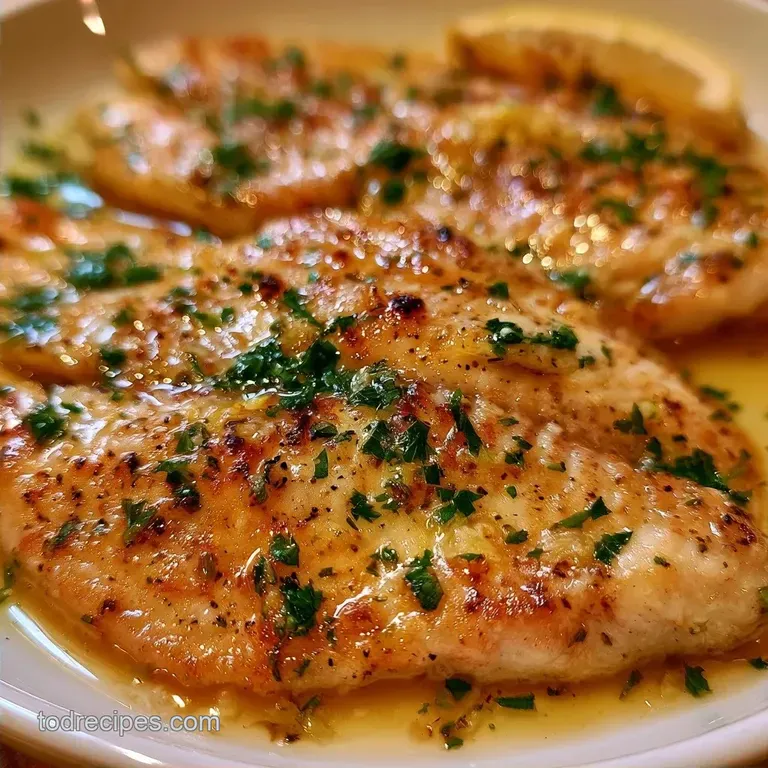
- Time: 5 min active + 12 min baking
- Flavor/Texture Hook: Buttery, lemon bright and flakes instantly
- Perfect for: Low effort weeknight meals or healthy meal prep
Understanding Oven Baked Tilapia Cook Time
That smell of garlic hitting hot butter and lemon zest filling the kitchen is one of my favorite things about a Tuesday night. In many coastal communities, tilapia is the go to because it's mild and takes on whatever you throw at it.
Growing up, we treated it like a blank canvas, and while some people overcomplicate it, the real beauty is in the simplicity.
I used to struggle with the texture. I'd either pull it out too early and it felt raw, or I'd leave it in for five minutes too long and it became dry. Once I realized that Oven Baked Tilapia Cook Time is entirely dependent on the thickness of the fillet, everything changed.
You can expect a dinner that feels light but satisfies, especially when that lemon butter pools at the bottom of the pan. It's the kind of meal that doesn't require a culinary degree, just a timer and a meat thermometer.
Why This Method Wins
High Heat: Baking at 400°C (200°C) ensures the outside sets quickly while the inside stays juicy.
Butter Barrier: The fat in the butter creates a shield that prevents the lean fish from drying out during the bake.
Surface Prep: Removing moisture from the skin or flesh prevents the fish from steaming, which helps with a better texture.
| Method | Time | Texture | Best For |
|---|---|---|---|
| Oven Bake | 12 mins | Tender & Even | Large batches |
| Stovetop | 6-8 mins | Crispy Edges | Single fillets |
| Poached | 10 mins | Soft & Moist | Delicate diets |
Ingredient Deep Dive
| Ingredient | What It Does | Best Swap |
|---|---|---|
| Tilapia Fillets | Mild base protein | Cod or Halibut |
| Unsalted Butter | Adds richness and fat | Ghee or Olive Oil |
| Lemon Juice | Cuts through the fat | Lime juice |
| Fresh Garlic | Adds aromatic depth | Garlic powder (1/4 tsp) |
Ingredients
- 4 (170g) Tilapia fillets Why this? Mild flavor and consistent thickness for even cooking
- 15ml Olive oil Why this? Prevents sticking and helps seasoning adhere
- 3g Salt Why this? Enhances the natural sweetness of the fish
- 1g Black pepper Why this? Adds a subtle, warm bite
- 42g Unsalted butter, melted Why this? Creates a silky sauce that keeps the fish moist
- 15ml Fresh lemon juice Why this? Brightens the heavy butter notes
- 6g Garlic, minced Why this? Adds a punchy, savory aroma
- 4g Fresh parsley, chopped Why this? Adds a fresh, grassy finish
Tools You'll Need
You don't need a fancy kitchen for this. A standard baking sheet and some parchment paper are the heavy lifters here. I prefer parchment over foil because the fish doesn't stick as easily, and cleanup takes about ten seconds.
A small whisk or fork for the butter mixture and a set of paper towels are essential. If you want to be precise, a digital meat thermometer is the only way to be 100% sure about the Oven Baked Tilapia Cook Time.
The step-by-step Process
1. Preparing for Maximum Crisp
Preheat your oven to 200°C (400°F). Line your baking sheet with parchment paper. Now, here is the part most people skip: pat your fillets completely dry with paper towels. If the fish is wet, it will steam instead of bake, and you'll lose that nice texture.
2. Layering the Flavor
Brush each fillet with 15ml of olive oil. Sprinkle the 3g of salt and 1g of pepper evenly on both sides. In a small bowl, whisk your 42g melted butter, 15ml lemon juice, and 6g minced garlic. Spoon this mixture over the fish, making sure every inch is covered.
3. The Precision Bake
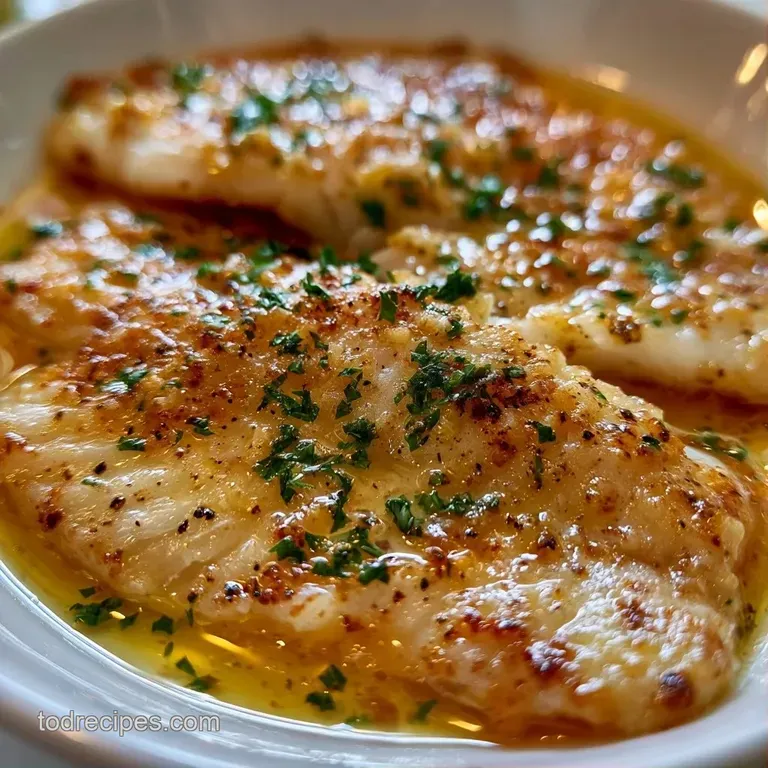
Slide the tray into the center rack. Bake for 12-15 minutes. You're looking for the flesh to turn an opaque white. The fish should flake easily when you poke it with a fork. According to Serious Eats, fish is typically done when it reaches an internal temperature of 145°F (63°C).
4. The Final Touch
Remove the pan from the oven. Immediately sprinkle the 4g of chopped parsley over the top. Let the fish rest for 2-3 minutes before moving it to a plate. This lets the juices redistribute so the fish stays moist.
Chef's Note: If you have an oven that runs hot, start checking the fish at 10 minutes. Tilapia is thin, and the window between "done" and "overdone" is small.
Fixing Common Issues
When you're dealing with a lean fish like tilapia, things can go sideways quickly. Usually, it comes down to temperature or moisture. If your fish is sticking to the pan, you likely didn't use enough oil or your parchment paper was poor quality.
If the fish feels rubbery, you've probably exceeded the recommended Oven Baked Tilapia Cook Time. Fish proteins tighten up and squeeze out water when they overheat. This is why the internal temp is more reliable than the clock.
| Problem | Root Cause | Solution |
|---|---|---|
| Rubbery Texture | Overcooked / Too high heat | Pull fish at 145°F (63°C) |
| Watery Sauce | Not patted dry | Use paper towels on fillets |
| No Color | Oven temp too low | Ensure oven hits 200°C (400°F) |
Flavor Tweaks and Swaps
If you're bored of lemon, you can easily pivot. For a Mediterranean vibe, swap the parsley for dried oregano and add a few halved cherry tomatoes around the fish. The tomatoes burst in the oven and create a natural sauce.
For those avoiding dairy, use a high-quality vegan butter or simply increase the olive oil. It won't be as rich, but the lemon and garlic still do the heavy lifting. If you want something with more punch, check out my Garlic Herb Baked Tilapia for a bolder flavor profile.
Decision Shortcut:
- Want more char? Broil on high for the last 2 minutes.
- Want it more moist? Wrap fillets in foil packets.
- Want more zing? Add a teaspoon of lemon zest to the butter.
Adjusting the Batch Size
Cooking for one or two: If you're only making two fillets, use a smaller baking sheet. This prevents the butter from spreading too thin and burning. Reduce the bake time by about 20% because the oven won't be crowded, allowing heat to circulate faster.
Cooking for a crowd: When doubling the recipe to 8 fillets, don't crowd the pan. If the fillets are touching, they'll steam and won't get that nice edge. Use two separate trays. Only increase the salt and spices by 1.5x rather than doubling them, as the flavors concentrate during the bake.
Fish Cooking Truths
Some people think you need to sear fish in a pan first to "lock in" the juices. That's a myth. Searing adds flavor and color, but it doesn't stop moisture from leaving. The butter glaze in this recipe does a better job of protecting the fish.
Another common belief is that frozen tilapia is inferior. While fresh is great, flash frozen fillets are often just as good if thawed correctly. Just make sure they are fully thawed in the fridge before baking, or the Oven Baked Tilapia Cook Time will be inconsistent.
Saving and Reheating
In the Fridge Store leftovers in an airtight container for up to 3 days. Tilapia is delicate, so it can pick up other smells in the fridge if not sealed tight.
Freezing I don't recommend freezing this after it's been cooked. The texture becomes grainy and the butter sauce separates. It's best enjoyed fresh.
To Reheat Without Drying Out Avoid the microwave if you can. Instead, place the fillet in a covered dish with a teaspoon of water or a knob of butter. Heat at 150°C (300°F) for about 5-8 minutes.
This gently warms the fish without pushing it past the point of doneness.
Zero Waste Tip If you have leftover lemon butter in the pan, don't toss it. Pour it over some steamed greens or a bowl of rice. According to USDA FoodData, the fats in the butter help your body absorb the fat soluble vitamins in vegetables.
The Best Side Pairings
Since the fish is mild and buttery, you need sides that offer a contrast. Something acidic or earthy works best. A crisp cucumber salad with red wine vinegar cuts right through the richness of the garlic butter.
For a more filling meal, I love pairing this with a Classic Oven Baked Sweet Potato. The sweetness of the potato balances the salty, lemony notes of the fish.
If you're keeping it lean, steamed asparagus or sautéed spinach are the way to go. Just toss them in the same lemon garlic flavor profile to keep the plate cohesive.
- 1. Oven Temp
- 200°C (400°F) - Don't put the fish in until it's fully preheated.
- 2. Doneness
- Internal temp of 63°C (145°F).
- 3. Timer
- Set for 12 minutes and check immediately.
Recipe FAQs
Is it true that tilapia should be baked slowly at 350°F?
No, this is a common misconception. Baking at 400°F (200°C) is superior because high heat sets the exterior quickly, preventing the lean fillets from drying out.
How long does tilapia take to bake at 400°F?
Bake for 12 15 minutes. The fish is ready when the flesh is opaque white and reaches an internal temperature of 145°F.
Should I bake my tilapia covered or uncovered?
Bake them uncovered. Leaving the fillets open allows the lemon butter to reduce and the fish to set properly on the parchment paper.
How to cook tilapia fillets in the oven?
Preheat your oven to 400°F and line a baking sheet with parchment. Pat the fillets dry, brush with olive oil, season with salt and pepper, and bake for 12-15 minutes.
How to cook tilapia with lemon butter?
Whisk together melted butter, lemon juice, and minced garlic. Spoon this mixture over seasoned fillets before baking. For a similar high heat approach, you can use a baking dish method for easy cleanup.
Can a toaster oven be used to bake tilapia?
Yes, a toaster oven works well. Use the same 400°F temperature, but monitor the fish closely as the heating elements are closer to the food than in a full sized oven.
How to cook tilapia fillets in a pan?
Sear the fillets in a hot pan with olive oil for 3-4 minutes per side. Ensure the pan is very hot before adding the fish to prevent sticking and create a golden crust.
Oven Baked Tilapia Timing