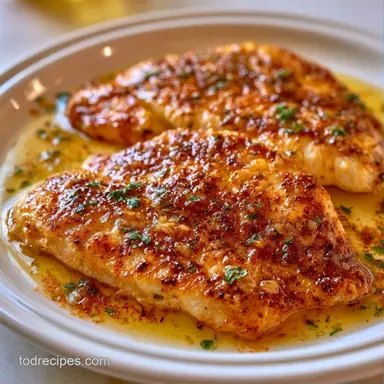
Lemon Garlic Butter Baked Tilapia
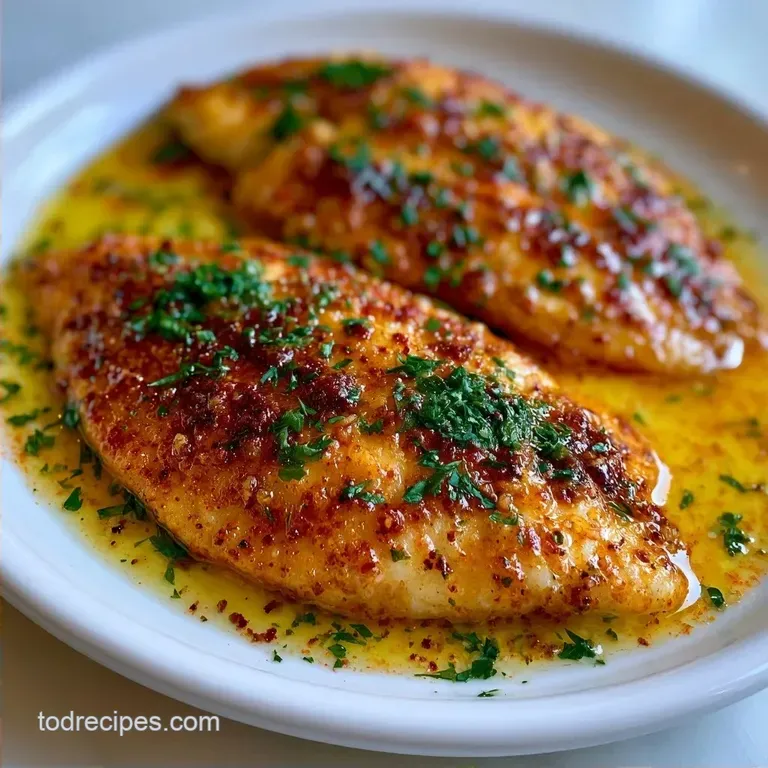
- Time: 10 min active + 12 min cook
- Flavor/Texture Hook: Buttery, garlic rich sauce with a slight citrus tang
- Perfect for: Budget-friendly weeknight dinners or quick meal prep
- Why This Method Works
- Ingredient Deep Dive
- Shopping for Ingredients
- Essential Kitchen Gear
- Step-by-Step Cooking Guide
- Fixing Common Fish Issues
- Troubleshooting Common Issues
- Customizing the Flavors
- Scaling the Recipe
- Fish Facts and Myths
- Storage and Waste Tips
- Great Side Dish Pairings
- Recipe FAQs
- 📝 Recipe Card
That specific sound of butter hitting a hot pan is enough to make anyone hungry. I remember one Tuesday night where the fridge was basically empty, except for a frozen pack of tilapia and some garlic. I didn't want to spend an hour over the stove, but I wanted something that felt like a steakhouse meal.
I tried poaching it once, but it turned into a mushy mess. Then I tried frying it, which left my kitchen smelling like a fish market for three days. This oven method changed everything for me. It's the kind of meal you can throw together when you're exhausted, yet it still feels like you put in actual effort.
You can expect a dish that is light but feels rich because of the butter. The Garlic Butter Baked Tilapia doesn't require any fancy skills, just a bit of patience while the oven heats up. It's a reliable, low stress way to get protein on the table without breaking the bank.
Why This Method Works
- High Heat: Baking at 400°F cooks the fish quickly. This stops the proteins from tightening too much, which keeps the meat flaky instead of rubbery.
- Fat Barrier: The melted butter creates a layer that protects the fillet from the direct dry heat of the oven.
| Method | Time | Texture | Best For |
|---|---|---|---|
| Oven Baked | 22 mins | Tender/Flaky | Easy cleanup |
| Pan Seared | 15 mins | Crispy Edges | Maximum flavor |
| Poached | 12 mins | Very Soft | Low calorie |
Ingredient Deep Dive
| Ingredient | What It Does | Best Swap |
|---|---|---|
| Unsalted Butter | Adds richness and carries garlic flavor | Olive oil (lighter, heart healthy) |
| Lemon Juice | Cuts through the fat with acidity | White wine or apple cider vinegar |
| Smoked Paprika | Adds a woody depth and golden color | Garlic powder or cumin |
| Fresh Parsley | Adds a clean, grassy finish | Dried oregano or cilantro |
Shopping for Ingredients
For this recipe, you want tilapia fillets that are roughly the same thickness. If some are thin and others are thick, the thin ones will overcook before the thick ones are done. I usually go for the 6 oz fillets because they fit well on a standard sheet pan.
You'll need unsalted butter so you can control the salt level yourself. Salted butter can make the glaze too salty, especially since we're adding sea salt directly to the fish. For the garlic, get the fresh cloves. Jarred minced garlic often has a metallic taste that ruins the brightness of the lemon.
If you can't find fresh parsley, dried is okay, but add it to the butter mixture rather than sprinkling it on top. Fresh lemon is non negotiable here. The bottled stuff lacks the zest, and that zest is where the punchy, aromatic oils live.
The Main List: 4 (6 oz) tilapia fillets Why this? Mild flavor and affordable price 1/2 tsp sea salt Why this? Clean salt crystals for even seasoning 1/4 tsp black pepper Why this? Adds a subtle heat 1/2 tsp
Smoked paprika Why this? Gives a steakhouse style color 3 tbsp unsalted butter, melted Why this? The primary flavor carrier 3 cloves garlic, minced Why this? Essential for the savory punch 1 tbsp fresh lemon juice
Why this? Balances the richness 1 tsp lemon zest Why this? Concentrated citrus aroma 1 tbsp fresh parsley, finely chopped Why this? Adds a fresh, herbal note
Essential Kitchen Gear
You don't need a lot of equipment, but a baking sheet is a must. I always use parchment paper or a silicone mat. Tilapia is lean and can stick to the metal, and scrubbing burnt butter off a pan is a nightmare.
A small whisk or a fork works for the butter mixture. You want the lemon juice and butter to combine into a smooth, glossy sauce. If they separate, the lemon juice might sink to the bottom of the pan and steam the fish rather than glazing it.
Finally, get an instant read meat thermometer. According to USDA FoodData, fish is safe and best when it hits 145°F. Checking the temp is the only way to ensure you don't overcook it by even two minutes, which is the difference between flaky fish and cardboard.
Step-by-step Cooking Guide
- Preheat oven to 400°F (200°C) and line a baking sheet with parchment paper.
- Pat each tilapia fillet bone dry with paper towels. Note: Moisture on the surface creates steam, which prevents the glaze from sticking.
- Sprinkle both sides of the fillets with sea salt, black pepper, and smoked paprika.
- In a small bowl, whisk together melted unsalted butter, minced garlic, lemon juice, and lemon zest. Stir in the chopped parsley.
- Place seasoned fillets on the baking sheet and spoon the garlic butter mixture evenly over each fillet, coating the edges.
- Bake for 12–15 minutes until the fish is opaque and flakes easily with a fork.
- Check for an internal temperature of 145°F.
- Let the fish rest for 2 mins before serving to let the juices redistribute.
Chef's Note: If you want more color, turn the broiler on for the last 60 seconds. Just watch it like a hawk so the butter doesn't burn.
Fixing Common Fish Issues
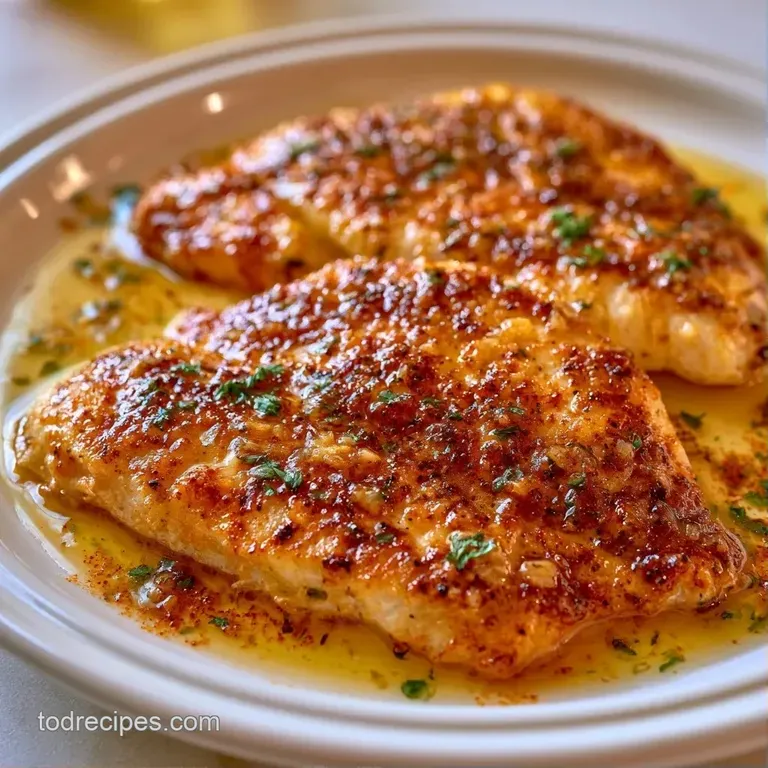
When I first started making Garlic Butter Baked Tilapia, I often ended up with fillets that were too dry. The most common cause is simply leaving them in the oven for an extra few minutes. Fish doesn't have much fat, so there's no margin for error.
Another issue is a "fishy" smell. This usually happens if the fish wasn't patted dry or if the lemon juice wasn't fresh. The acid in the lemon neutralizes the amines that cause that scent. If your fillets are releasing too much liquid in the pan, you might be using frozen fish that wasn't thawed properly.
Troubleshooting Common Issues
| Issue | Solution |
|---|---|
| Why Your Fish is Rubbery | This happens when the proteins tighten up from overcooking. The fish loses its flake and becomes bouncy. |
| Why the Sauce is Separated | If the butter was too hot or the lemon juice was ice cold, the emulsion breaks. This makes the sauce watery. |
| Why the Fish Sticks | Using a metal pan without enough fat or parchment paper causes the proteins to bond to the surface. |
Customizing the Flavors
If you're feeling adventurous, you can tweak the glaze. For a spicy kick, add a pinch of cayenne pepper or some red chili flakes to the melted butter. It cuts through the richness and adds a nice glow to the dish.
For a Mediterranean twist, swap the parsley for fresh dill or oregano and add a few halved kalamata olives around the fillets. This version goes great with a Classic Oven Baked Sweet Potato for a hearty, earthy meal.
If you need a dairy-free option, use a high-quality vegan butter or melted coconut oil. Coconut oil adds a slight tropical sweetness that actually pairs well with the lemon and tilapia. Just be aware that it has a lower smoke point, so keep an eye on the browning.
Decision Shortcut: If you want a smoky flavor, increase the paprika to 1 tsp. If you want it tangier, add an extra teaspoon of lemon zest. If you want it richer, add a tablespoon of grated Parmesan to the butter.
Scaling the Recipe
When scaling Garlic Butter Baked Tilapia down for one or two people, use a smaller baking sheet. If you use a massive pan for two fillets, the butter can spread out and burn before the fish is cooked. Reduce the bake time by about 20% if the fillets are thinner than 6 oz.
For larger crowds, don't just double the salt and spices. I've found that scaling spices to 1.5x is usually enough. If you double the salt, it can become overwhelming. Work in batches if your oven is small; overcrowding the pan creates too much steam and you'll lose that roasted texture.
If you're baking 8 or more fillets, lower the oven temp to 375°F and extend the time by 5-7 minutes. This ensures the center of the pan cooks at the same rate as the edges.
Fish Facts and Myths
Searing fish doesn't "lock in" the juices. Whether you sear it or bake it, moisture loss is just part of the process. The sear is for flavor and texture, not for moisture retention.
Some people think tilapia is tasteless and needs tons of seasoning. The truth is that its mildness is a feature, not a bug. It acts as a blank canvas for the garlic and lemon.
Another myth is that you must cook fish until it's completely white. While opacity is a good cue, the thermometer is the only real way to know it's done without overcooking it.
Storage and Waste Tips
You can store leftovers in an airtight container in the fridge for up to 2 days. When reheating, avoid the microwave if you can. A microwave will turn the fish rubbery in seconds. Instead, put it in a 300°F oven for 5 minutes or warm it in a pan with a tiny bit of extra butter.
Don't freeze cooked tilapia. The texture changes significantly and it becomes mushy upon thawing. If you have extra raw fillets, freeze them in individual vacuum sealed bags to prevent freezer burn.
To reduce waste, save the lemon rinds after zesting. You can toss them into a jar of vinegar for a few weeks to make a homemade citrus cleaner. Also, if you have leftover garlic butter sauce, it's a great glaze for roasted vegetables.
Great Side Dish Pairings
Since this is a rich, buttery dish, you need something with a bit of crunch or acidity to balance it out. A crisp green salad with a vinaigrette is a classic choice.
If you want something warmer, I highly recommend Parmesan Garlic Roasted Carrots. The sweetness of the carrots complements the savory garlic butter perfectly.
For a more filling meal, serve the fish over a bed of quinoa or wild rice. The grains soak up the extra butter from the pan, so none of that flavor goes to waste. Steamed asparagus or sautéed spinach also works well if you're keeping things low carb.
Recipe FAQs
How do I cook tilapia fillets in the oven?
Preheat your oven to 400°F (200°C). Pat the fillets bone dry, season with salt, pepper, and smoked paprika, and bake for 12 15 minutes until the internal temperature reaches 145°F.
How do I bake tilapia with lemon butter?
Whisk melted butter, minced garlic, lemon juice, zest, and parsley. Spoon this emulsified mixture evenly over seasoned fillets before baking at 400°F for 12 15 minutes.
Should I add lemon juice to fish before or after cooking?
Add it before cooking. Incorporating the lemon juice into the butter sauce ensures the acidity penetrates the fish during the baking process.
How do I prevent tilapia from becoming rubbery?
Avoid overcooking the fillets. Proteins tighten when exposed to heat for too long; use a fork to check that the fish flakes easily or use a thermometer to hit exactly 145°F.
What sauces pair well with tilapia?
A garlic butter emulsion is ideal. The richness of the butter balances the lean fish, and this pairing works great alongside boiled sweet potatoes for a full meal.
How do I cook tilapia fillets in a pan?
Sear in a hot pan with butter. Cook the seasoned fillets over medium high heat for 2-3 minutes per side until the edges are golden and the flesh is opaque.
Is it true that tilapia must be frozen before baking to hold its shape?
No, this is a common misconception. Fresh fillets hold their shape perfectly; simply patting them dry with paper towels ensures the glaze sticks and the texture remains firm.
Garlic Butter Baked Tilapia 2