Purple Basil Recipe: Vibrant Pesto
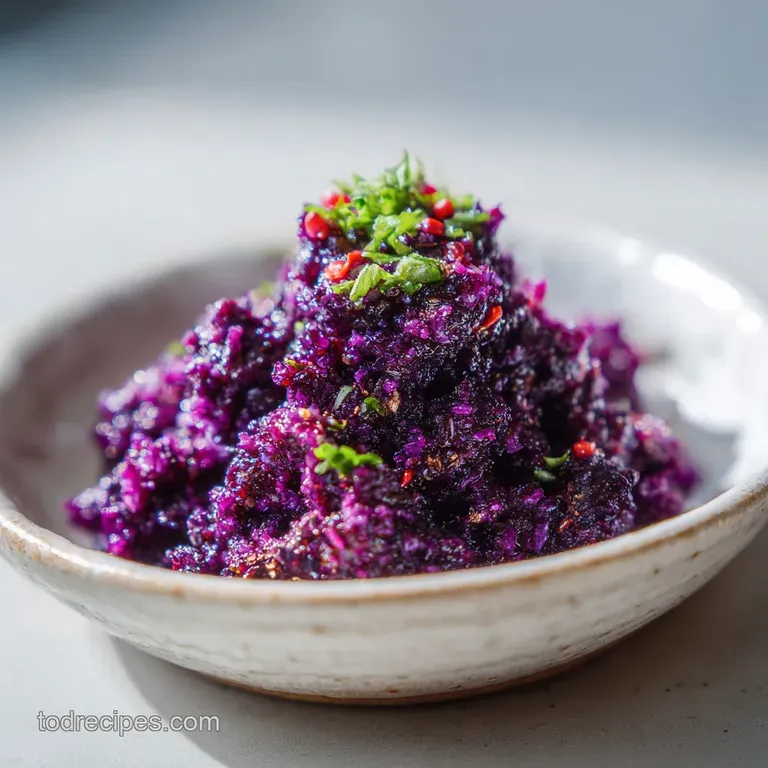
- Time: Active 15 minutes, Passive 2 minutes, Total 17 minutes
- Flavor/Texture Hook: Peppery, velvety, and intensely aromatic
- Perfect for: Seasonal dinner parties or gifting
- Mastering the Ultimate Purple Basil Recipe
- The Chemistry of Anthocyanins
- Key Measurements and Timing for This Vibrant Sauce
- Sourcing the Freshest Ingredients for Your Purple Basil Recipe
- Essential Kitchen Gear for Achieving a Silky Smooth Texture
- Following the Aroma with These Precise Recipe Steps
- Fixing Common Pitfalls When Creating This Purple Basil Recipe
- Modifying the Recipe for Vegan and Nut Free Dietary Needs
- Expert Guidelines for Storing and Reheating Your Herb Sauce
- Creative Ways to Serve and Enjoy This Vibrant Creation
- Recipe FAQs
- 📝 Recipe Card
Mastering the Ultimate Purple Basil Recipe
Imagine walking through a humid morning market and catching a scent that isn't just herbal, but deep, peppery, and almost like warm cloves. That was my experience last Tuesday. I spotted several bunches of Dark Opal basil, so deep purple they looked almost obsidian, and I knew a standard green pesto wouldn't do them justice.
Most people treat these beautiful leaves as a simple garnish, but they have a secret depth that green Genovese basil just can't touch.
The first time I tried making this purple basil recipe, I made a massive mistake. I treated it exactly like green basil and just tossed it in the processor raw. Within ten minutes, my beautiful violet sauce turned a muddy, unappetizing brown. I was devastated.
But after some research into plant pigments and a bit of trial and error in my own kitchen, I discovered the secret to locking in that royal color. Now, I make this every time I see purple basil at the stalls because it turns a plain bowl of noodles into something that looks like it belongs in a high end bistro.
You're going to love how the aroma fills your kitchen. It's not just "basil" - it’s more complex, with notes of anise and ginger that pair beautifully with the sharp bite of Parmigiano Reggiano. We aren't just making a sauce here; we are capturing a season in a jar.
Let's get into the details so you can avoid my past mistakes and get that velvety, vibrant result on your first try.
The Chemistry of Anthocyanins
The Acid Pigment Bond: Purple basil gets its color from anthocyanins, which are water soluble pigments that react to pH levels and heat. Adding lemon juice stabilizes these molecules, preventing the sauce from turning grey or brown when exposed to oxygen.
Deactivating Browning Enzymes
The real enemy of this purple basil recipe is polyphenol oxidase. This is the same enzyme that turns apples brown. By flash blanching the leaves for just a few seconds, we effectively "kill" this enzyme. This ensures your sauce stays a brilliant magenta for days in the fridge rather than turning dark within the hour.
Balancing the Clove Like Phenols
Purple varieties contain higher concentrations of eugenol compared to green basil. This provides that distinct clove and cinnamon scent. Because this flavor is more "aggressive" than standard basil, we use toasted pine nuts to provide a fatty, creamy counterpoint that rounds out the sharper edges of the herb.
Mastering the Emulsification
To get a velvety finish, you can't just dump the oil in. We need to create a stable emulsion where tiny droplets of extra virgin olive oil are suspended among the leaf fibers and cheese solids.
Slow streaming the oil while the processor is running is the only way to achieve that light, airy texture that clings to pasta rather than sliding off.
| Fresh Method | Shortcut Method | Flavor Impact | Best For |
|---|---|---|---|
| Flash Blanching | Raw Processing | Retains vivid purple | Presentation dishes |
| Toasting Nuts | Raw Nuts | Deep, smoky base | Complex savory meals |
| Hand Grating Cheese | Pre shredded Cheese | Silky meltability | High end pasta |
There is a significant difference between taking the time to toast your nuts and using them straight from the bag. Toasting releases the oils in the pine nuts, making the entire sauce feel more cohesive. If you're looking for something to pair this with, the earthy notes of this sauce go beautifully with a Recipe Stuffed Patty for a full seasonal spread.
Key Measurements and Timing for This Vibrant Sauce
| Component | Science Role | Pro Secret |
|---|---|---|
| Purple Basil | Primary Pigment | Use Dark Opal or Purple Ruffles for the deepest violet color. |
| Lemon Juice | pH Stabilizer | Never skip this; the acid keeps the anthocyanins from degrading into grey. |
| Pine Nuts | Fatty Emulsifier | Toast them until they smell like popcorn to unlock their buttery depth. |
| Extra Virgin Olive Oil | Texture Carrier | Use a mild, buttery oil so it doesn't compete with the basil's cloves. |
When you are measuring your leaves, make sure they are "packed." This means you should gently press them down into the measuring cup until you have a solid 120 grams. If the leaves are too loose, your sauce will be oily and lack that punchy herbal hit.
I once tried to eyeball it and ended up with basil flavored oil instead of a thick, spreadable sauce. Trust the scale on this one!
Sourcing the Freshest Ingredients for Your Purple Basil Recipe
- 4 cups (120g) Fresh purple basil leaves, packed: Look for leaves that aren't wilted. Why this? Freshness is key for both the vibrant color and the clove like aroma.
- 1 tsp (6g) Sea salt (for blanching water): This helps set the color during the quick dip. Why this? Salted water prevents the leaves from losing their seasoning to the water.
- 1/2 cup (65g) Pine nuts or walnut halves: You can swap these for sunflower seeds if you have a nut allergy. Why this? These provide the essential fat needed for a creamy, thick emulsion.
- 2 medium cloves Garlic, peeled: Don't use the jarred stuff; it tastes metallic here. Why this? Fresh garlic provides a sharp, spicy kick that cuts through the rich oil.
- 1/2 cup (50g) Parmigiano Reggiano, freshly grated: Buy a wedge and grate it yourself. Why this? Pre grated cheese has anti caking agents that make the sauce grainy.
- 1/2 tsp (3g) Kosher salt: Adjust this at the very end. Why this? The cheese is already salty, so we add this carefully for balance.
- 1 tbsp (15ml) Fresh lemon juice: This is your insurance policy against browning. Why this? The citric acid keeps the purple pigment bright and punchy.
- 1/2 cup (120ml) Extra virgin olive oil: Use the best quality you can afford. Why this? Since it’s a raw sauce, the flavor of the oil is very prominent.
Chef's Tip: If you find purple basil is too intense for your palate, you can do a 50/50 split with green Genovese basil. You'll still get a lovely plum color, but the flavor will be more traditional.
Essential Kitchen Gear for Achieving a Silky Smooth Texture
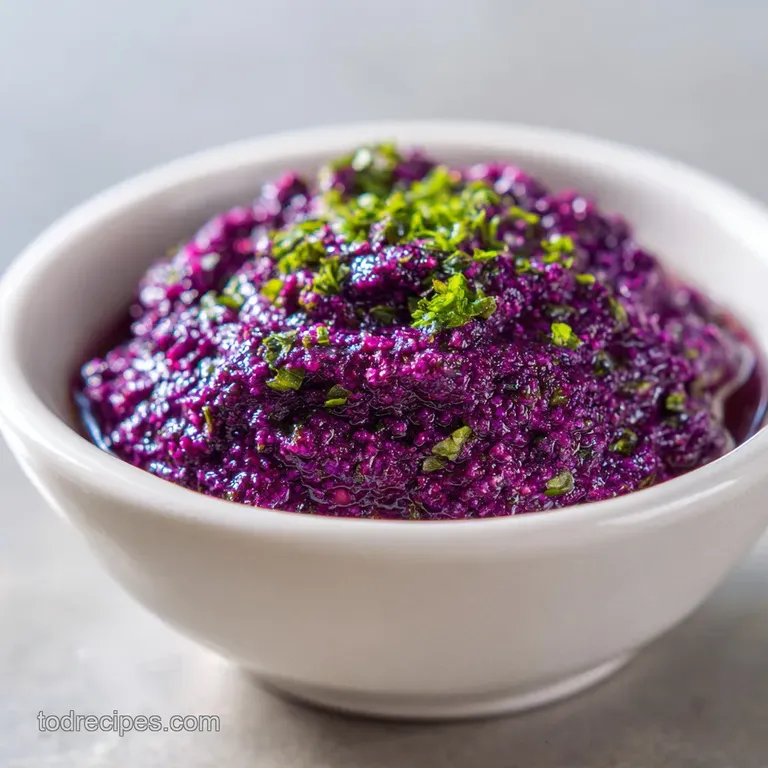
For the best results, you'll want a food processor or a high speed blender. I personally prefer a food processor because it gives you more control over the texture; you can keep it a bit chunky or blitz it into a smooth puree.
You will also need a medium pot for the blanching step and a large bowl filled with ice water. This "ice bath" is non negotiable if you want that bright color.
For the Blanching Station
You need a slotted spoon or a spider strainer. The goal is to get the leaves out of the boiling water as fast as humanly possible. If they sit in there for even 10 seconds too long, they will turn into a dark, slimy mess. Precision is your friend here.
For the Pesto Base
A small dry skillet is perfect for toasting the pine nuts. Keep them moving! They go from "not ready" to "burnt" in about three seconds. I've ruined more than one batch by answering a text while the nuts were on the stove. Stay focused on the smell; once they smell nutty and warm, pull them off.
For the Emulsion
If using a blender, make sure it has a removable center cap on the lid. This allows you to pour the oil in a thin, steady stream while the blades are spinning. This creates the "shatter proof" emulsion that gives the sauce its velvety mouthfeel.
Following the Aroma with These Precise Recipe Steps
- Prepare the ice bath. Fill a large bowl with cold water and two handfuls of ice. Note: This stops the cooking process instantly.
- Boil the water. Bring a medium pot of water to a rolling boil and add 1 tsp of sea salt.
- Flash blanch the basil. Drop 4 cups (120g) of purple basil into the boiling water for exactly 15 seconds until they just begin to wilt.
- Shock the leaves. Immediately move the leaves to the ice bath using a slotted spoon. Smell the fresh, herbal release as the heat hits the leaves.
- Dry thoroughly. Squeeze the water out of the leaves and pat them bone dry with a clean kitchen towel. Note: Excess water will make your sauce separate and thin.
- Toast the nuts. Place 1/2 cup (65g) pine nuts in a dry skillet over medium heat for 2-3 minutes until golden and fragrant.
- Process the aromatics. Combine the dried basil, toasted nuts, 2 garlic cloves, and 1/2 tsp kosher salt in the food processor.
- Pulse for texture. Pulse about 10-12 times until a coarse paste forms.
- Add cheese and acid. Add 1/2 cup (50g) Parmigiano Reggiano and 1 tbsp (15ml) lemon juice.
- Emulsify the oil. While the processor is running, slowly drizzle in 1/2 cup (120ml) olive oil until the sauce is velvety and glossy.
Chef's Tip: Freeze your metal food processor blade for 10 minutes before using. This prevents the friction of the motor from heating up the basil, which helps preserve that delicate purple color even further.
Fixing Common Pitfalls When Creating This Purple Basil Recipe
Preventing a Muddy Color
If your sauce looks brown, it's usually because the leaves weren't dried enough after blanching or you skipped the lemon juice. Water trapped in the leaves allows oxidation to happen faster. Next time, spend an extra minute squeezing the basil in a kitchen towel.
It should feel like a dry ball of clay before it goes into the processor.
Fixing a Bitter Aftertaste
Sometimes purple basil can have a slightly bitter, metallic finish. This often happens if the garlic cloves are old and have a green sprout in the middle. To fix a bitter batch, add a tiny pinch of sugar or an extra tablespoon of cheese. The fat and sweetness will neutralize the bitterness on your tongue.
| Problem | Root Cause | Solution |
|---|---|---|
| Sauce is watery | Basil was damp | Squeeze leaves in a towel until very dry. |
| Grey/Brown color | No acid or over processed | Add lemon juice and avoid over heating the blades. |
| Gritty texture | Pre shredded cheese | Use a microplane to grate fresh Parmesan very finely. |
Just like when you're making a Peach and Blueberry recipe, the balance of sweetness and acid is everything. If the sauce feels "flat," it almost always needs another squeeze of lemon or a tiny bit more salt.
Common Mistakes Checklist:
- ✓ Didn't dry the basil enough (results in a thin, separating sauce).
- ✓ Used old, sprouted garlic (creates a harsh, bitter aftertaste).
- ✓ Over blanched the leaves (turns them from purple to dark brown).
- ✓ Added oil too quickly (prevents a proper, creamy emulsion).
- ✓ Skipped the ice bath (allows residual heat to ruin the vibrant color).
Modifying the Recipe for Vegan and Nut Free Dietary Needs
If you want to make this vegan, it's actually quite simple. The cheese provides saltiness and "umami," which you can replicate by using nutritional yeast. I recommend starting with 3 tablespoons and tasting as you go.
You might also want to add a few more toasted nuts to compensate for the lost creaminess from the cheese.
Making it Vegan
Swap the 1/2 cup (50g) Parmigiano Reggiano for an equal amount of vegan parmesan or a mix of nutritional yeast and extra salt. Note that the texture will be slightly different, as real cheese melts into the oil while nutritional yeast remains as a fine powder.
Nut Free Swaps
If you have a nut allergy, toasted sunflower seeds or pepitas (pumpkin seeds) are brilliant substitutes for pine nuts. They offer a similar fat content and a great earthy crunch. Just make sure to toast them as well, as raw seeds can have a "green" flavor that clashes with the basil.
| Original Ingredient | Substitute | Why It Works |
|---|---|---|
| Pine Nuts (65g) | Toasted Pepitas (65g) | Similar fat and crunch. Note: Adds a slight green tint to the sauce. |
| Parmigiano (50g) | Nutritional Yeast (30g) | Provides the savory "umami" hit without the dairy. |
| Olive Oil (120ml) | Avocado Oil (120ml) | Neutral flavor that lets the basil shine completely. |
If you're in the mood for something else quick and satisfying after this, my Nutella Pastry Puff recipe is a great way to use up any extra puff pastry you might have in the freezer!
Expert Guidelines for Storing and Reheating Your Herb Sauce
Storage is where most people lose the battle with this purple basil recipe. Because it's a fresh herb sauce, it doesn't love oxygen. To store it in the fridge, put it in the smallest jar possible to minimize the air gap at the top.
Pour a thin layer of olive oil over the surface to create a physical barrier against the air. It will stay vibrant for about 3-4 days.
For long term storage, the freezer is your best friend. I love freezing this in ice cube trays. Once frozen, pop the cubes into a freezer bag. This way, you can grab one or two cubes to toss into a soup or a pan of warm pasta whenever you need a hit of summer flavor. They stay good for up to 3 months.
When reheating, never put this sauce in a pot over direct heat. High heat will destroy the color and the delicate aroma instantly. Instead, toss the room temperature sauce with hot, freshly cooked pasta.
The residual heat from the noodles is more than enough to melt the cheese and warm the oil without "cooking" the basil.
Zero Waste Tip: Don't throw away the purple basil stems! While they are too woody for the pesto, you can toss them into a jar of white wine vinegar. After a week, you'll have a beautiful pink basil vinegar that is incredible for salad dressings.
Creative Ways to Serve and Enjoy This Vibrant Creation
While pasta is the obvious choice, don't stop there. This sauce is incredible as a base for a "purple" Caprese salad. Imagine thick slices of heirloom tomatoes, fresh mozzarella, and dollops of this magenta sauce. It's a showstopper.
You can also swirl it into a bowl of white bean soup right before serving to add a peppery, aromatic finish.
- If you want a dip, mix it with Greek yogurt. This creates a beautiful lavender colored dip for veggies.
- If you want a marinade, add more lemon juice. The enzymes in the basil help tenderize chicken or shrimp.
- If you want a sandwich spread, mix it with mayo. It turns a basic turkey club into a gourmet meal.
Myth: Purple basil is just for decoration. Many people think purple basil is milder or purely aesthetic. In reality, it often has a stronger flavor profile with distinct anise and clove notes that can stand up to heavy meats and bold cheeses better than green basil can.
Myth: You can't freeze pesto with cheese in it. You absolutely can. While the texture might change slightly upon thawing, a quick stir or a tiny splash of fresh oil will bring that velvety consistency right back.
This purple basil recipe is all about celebrating the fleeting beauty of the season. It’s vibrant, it’s fresh, and it satisfies those deep savory cravings we all get. Whether you're serving it at a fancy dinner or just stirring it into a quick weeknight bowl of pasta, I promise it’s going to be a new favorite in your kitchen.
Grab those purple leaves while they're still at the market and get blending!
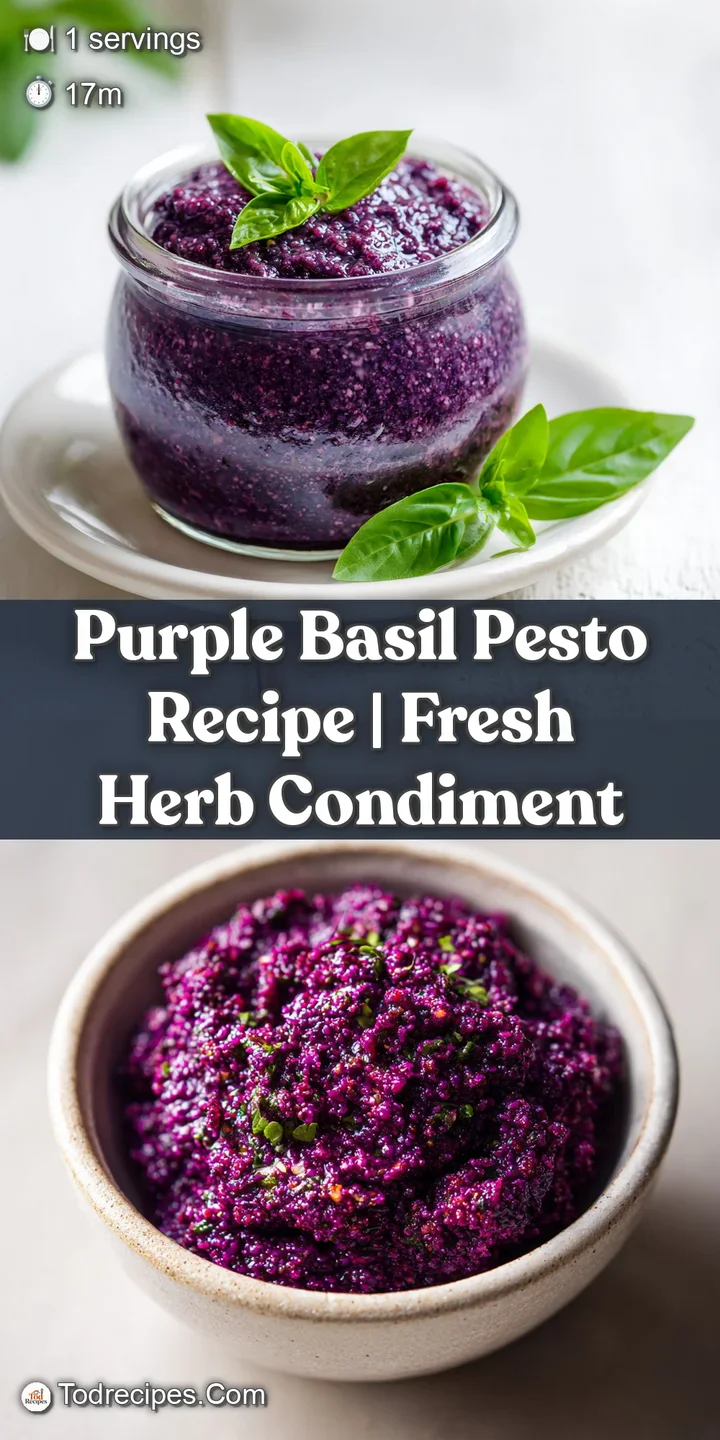
Recipe FAQs
What can purple basil be used for?
Mainly for sauces, garnishes, and infusions. Its strong clove and anise flavor holds up well to heat when prepared correctly, making it excellent for pestos or stirring into savory dishes like soups and marinades.
Can you eat purple basil raw?
Yes, you can definitely eat purple basil raw. However, raw preparations like salads or sandwiches should be consumed quickly, as the beautiful purple color oxidizes and turns brown faster than standard green basil.
Can you use purple basil like regular basil?
Yes, but adjust your expectations for color preservation. You can substitute it cup-for-cup in most recipes, but because its pigmentation reacts differently to acid and heat, blanching is crucial for maintaining that brilliant violet hue.
Does purple basil taste any different than green basil?
Yes, it offers a distinctly different, deeper flavor. Purple varieties often have stronger notes of clove, anise, and pepper due to higher eugenol content compared to sweet Genovese basil.
Why did my purple basil sauce turn brown or grey?
This is due to enzyme activation (oxidation) or incorrect pH. Ensure you flash blanch the leaves to deactivate the browning enzymes, and always add an acid like lemon juice to stabilize the anthocyanin pigments.
How do I keep the vibrant color when freezing purple basil?
Process it into pesto first, then freeze the finished product. For best results, press the finished pesto into ice cube trays before freezing, ensuring you press out any excess air. If you are interested in mastering this temperature control skill, apply the same principles when testing doneness for our Buttered Pecan Ice recipe.
What is the best way to incorporate purple basil into a side dish?
Finely chop it and gently fold it into room temperature or slightly warm preparations. Try mixing it into a potato salad dressing or incorporating it into the binder for a savory bread pudding. This pairs wonderfully as a counterpoint flavor to rich, sweet casseroles like the Ruth Chris Sweet recipe.
Vibrant Purple Basil Pesto
Ingredients:
Instructions:
Nutrition Facts:
| Calories | 138 kcal |
|---|---|
| Protein | 2.3 g |
| Fat | 14.1 g |
| Carbs | 1.2 g |
| Fiber | 0.4 g |
| Sugar | 0.2 g |
| Sodium | 163 mg |
