Sweet Potato and Chickpea Curry
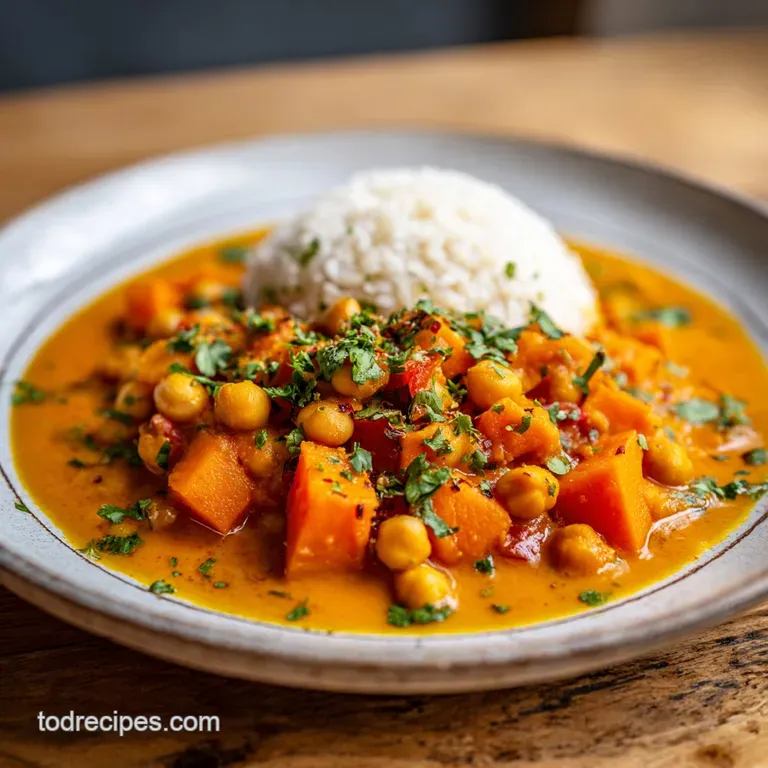
- Time: Active 10 minutes, Passive 20 minutes, Total 30 minutes
- Flavor/Texture Hook: Velvety coconut broth with tender, melt in-your mouth sweet potato and nutty chickpeas.
- Perfect for: A quick weeknight dinner that satisfies deep, soulful cravings without hours of labor.
- The Science of Balancing Vibrant Flavors and Velvety Textures
- Precision Metrics for the Perfect Weeknight Curry Experience
- Sourcing Fresh Seasonal Components for Maximum Flavor Impact
- Essential Kitchen Tools for a Seamless Cooking Process
- A Step-by-Step Guide to Mastering This Fragrant Dish
- Troubleshooting Your Curry for Consistent Professional Results
- Creative Adaptations to Suit Every Palate and Occasion
- Maintaining Freshness and Reducing Food Waste Effectively
- Elevating Your Meal with the Ideal Side Dish Pairings
- The Myth of Long Simmered Curries
- Recipe FAQs
- 📝 Recipe Card
The Science of Balancing Vibrant Flavors and Velvety Textures
The first time I really understood the power of a sweet potato and chickpea curry was a rainy Tuesday when I had nothing in the fridge but a few wrinkly tubers and a forgotten tin of beans. I started sautéing the onions, and the moment the red curry paste hit the hot coconut oil, the kitchen transformed.
That sharp, aromatic sizzle woke up my tired brain, promising something much more exciting than a standard stir fry.
I used to think curries needed hours of bubbling to taste "real," but this recipe proved me wrong. It’s all about the contrast the way the lime juice cuts through the fatty coconut milk and how the soft potatoes play against the slightly firm chickpeas.
We’re not just making food; we’re building a bowl of pure comfort that feels fresh rather than heavy.
When you take that first spoonful, you’ll notice how the smoked paprika and turmeric create this golden, glowing sauce that practically sparkles. It’s a dish that demands you sit down, turn off your phone, and just enjoy the warmth.
Trust me, once you see how those 600g of sweet potatoes soften into the broth, you’ll never look at a "quick meal" the same way again.
The Physics of the Simmer
Starch Gelatinization: As the sweet potatoes cook, they release amylose starches into the broth, naturally thickening the coconut milk into a velvety glaze without flour. This creates a cohesive sauce that coats the back of a spoon perfectly.
The Power of Aromatic Blooming
Lipid Extraction: Sautéing curry paste and dry spices in coconut oil allows fat soluble flavor compounds to release and intensify. Without this step, the spices remain gritty and the flavor stays muted rather than vibrant.
The Impact of Acidic Finishing
pH Balance: Adding lime juice at the very end breaks down the heavy fat molecules of the coconut milk on your palate. This brightness highlights the seasonal sweetness of the potato rather than masking it.
| Method | Time | Texture | Best For |
|---|---|---|---|
| Stovetop (This Recipe) | 30 minutes | Bright, distinct vegetables | Quick weeknight hunger |
| Slow Cooker | 4 hours (High) | Silky, almost stew like | Hands off meal prep |
| Pressure Cooker | 12 minutes | Soft, unified flavor | Last minute emergencies |
Choosing the stovetop method ensures your spinach stays vibrant and your chickpeas don't turn to mush. It's the best way to maintain that beautiful contrast between the tender potato and the structured bean. This technique is similar to how we handle textures in our Ruth Chris Sweet recipe, where the balance of soft and firm is everything.
Precision Metrics for the Perfect Weeknight Curry Experience
When we talk about precision in the kitchen, it isn't about being fussy; it's about consistency. For this sweet potato and chickpea curry, I've found that three specific checkpoints make the difference between a "good" dinner and a "can I have seconds?" dinner.
First, your sweet potato cubes must be exactly 1/2 inch (approx. 1.3cm). If they are too large, the outside turns to mush while the inside stays crunchy. If they are too small, they disappear into the sauce.
Second, watch the onion sauté. You want a 3 minute window where the red onion turns translucent but doesn't brown. We want sweetness, not the bitter notes of charred alliums. Finally, the simmer time is a non negotiable 20 minutes.
This is the sweet spot where the flavors marry, and the broth reduces by about 15%, concentrating the coconut essence.
| Ingredient | Science Role | Pro Secret |
|---|---|---|
| Coconut Oil (2 tbsp) | Flavor carrier | Use refined for neutral taste or unrefined for extra tropical aroma. |
| Sweet Potatoes (600g) | Texture & Thickener | Keep skins on for extra fiber and a more rustic, earthy profile. |
| Red Curry Paste (1 tbsp) | Aromatic Base | Bloom in oil for 60 seconds until fragrant to unlock deep spice notes. |
| Chickpeas (15 oz) | Protein & Structure | Rinse thoroughly to remove "tinny" flavor and excess sodium. |
Getting these basics right allows the secondary spices like turmeric and cumin to really shine. If you're looking for a meal that feels more substantial, this dish pairs beautifully with a protein heavy side like our Garlic Parmesan Chicken recipe. The earthy spices in the curry complement the savory notes of the chicken surprisingly well.
Sourcing Fresh Seasonal Components for Maximum Flavor Impact
The beauty of this easy sweet potato and chickpea curry lies in the quality of your elements. I always look for sweet potatoes that feel heavy for their size and have smooth, unblemished skin. This usually indicates high moisture content, which leads to that velvety finish we're after.
For the greens, fresh baby spinach is a must it wilts in seconds and adds a pop of seasonal green that makes the whole bowl look alive.
Don't settle for "okay" ingredients here. Since we're using coconut milk, go for the full fat version in the can. Light coconut milk is basically just coconut flavored water and won't give you the rich mouthfeel that turns this into a true craving.
If you're out of something, use the table below to keep the dish's integrity intact without a trip to the store.
- 2 tbsp Coconut oil (Sub: Avocado oil) - Why this? High smoke point and adds a subtle richness to the base.
- 1 large Red onion (Sub: Shallots) - Why this? Red onions offer a milder, sweeter profile when sautéed.
- 3 cloves Garlic (Sub: 1 tsp Garlic powder) - Why this? Fresh garlic provides essential pungency and aroma.
- 1 inch piece Fresh ginger (Sub: 1/2 tsp Ground ginger) - Why this? Adds a bright, zesty heat that ground ginger lacks.
- 1 tbsp Red curry paste (Sub: 1 tbsp Tomato paste + 1 tsp Chili flakes) - Why this? The concentrated source of lemongrass, galangal, and chilies.
- 1 tsp Ground turmeric (Sub: Fresh grated turmeric) - Why this? Provides that iconic golden hue and earthy depth.
- 1 tsp Ground cumin (Sub: Cumin seeds) - Why this? Essential for that warm, smoky Indian style backbone.
- 1 tsp Ground coriander (Sub: Extra cumin) - Why this? Adds a citrusy, floral note to balance the spices.
- 1/2 tsp Smoked paprika (Sub: Liquid smoke) - Why this? A tiny hint of woodsmoke flavor makes the curry complex.
- 1/2 tsp Salt (Sub: Soy sauce/Tamari) - Why this? Sharpens all the other flavors in the pot.
- 2 large Sweet potatoes (Sub: Butternut squash) - Why this? The primary source of creaminess and natural sweetness.
- 1 can Chickpeas (Sub: Cooked lentils) - Why this? Provides a satisfying, nutty bite and plant based protein.
- 1 can Full fat coconut milk (Sub: Cashew cream) - Why this? Creates the luxurious, silky sauce base.
- 1 cup Vegetable broth (Sub: Water + Bouillon) - Why this? Adds depth and adjusts the consistency of the sauce.
- 2 cups Fresh baby spinach (Sub: Kale or Chard) - Why this? Wilts easily and adds a fresh, vibrant finish.
- 1 tbsp Fresh lime juice (Sub: Lemon juice) - Why this? Crucial acidity to cut through the coconut fat.
- 1/4 cup Fresh cilantro (Sub: Fresh parsley) - Why this? The ultimate aromatic garnish for brightness.
Essential Kitchen Tools for a Seamless Cooking Process
You don't need a high end kitchen to pull off a vegan sweet potato and chickpea curry, but a few specific tools will make your life much easier. A heavy bottomed pot, like a Dutch oven or a deep cast iron skillet, is my top recommendation. These pans hold heat evenly, which is vital when you're simmering the potatoes.
You don't want "hot spots" where the sauce burns while other areas stay cold.
A microplane or a fine grater is also a game changer for the ginger and garlic. I used to spend way too much time mincing ginger with a knife, only to end up with a woody chunk in my mouth later. Grating it directly into the pot turns it into a paste that melts into the oil instantly.
Chef's Tip: Freeze your ginger root! It stays fresh for months, and it's actually much easier to grate when it's rock hard. No peeling necessary the skin just vanishes.
Finally,, a sharp chef's knife is your best friend. Cutting 600g of sweet potato is a bit of a workout if your blade is dull. If you struggle with the density of the potato, try cutting a thin slice off one side first to create a flat, stable base on your cutting board.
This prevents the potato from rolling and keeps your fingers safe.
A step-by-step Guide to Mastering This Fragrant Dish
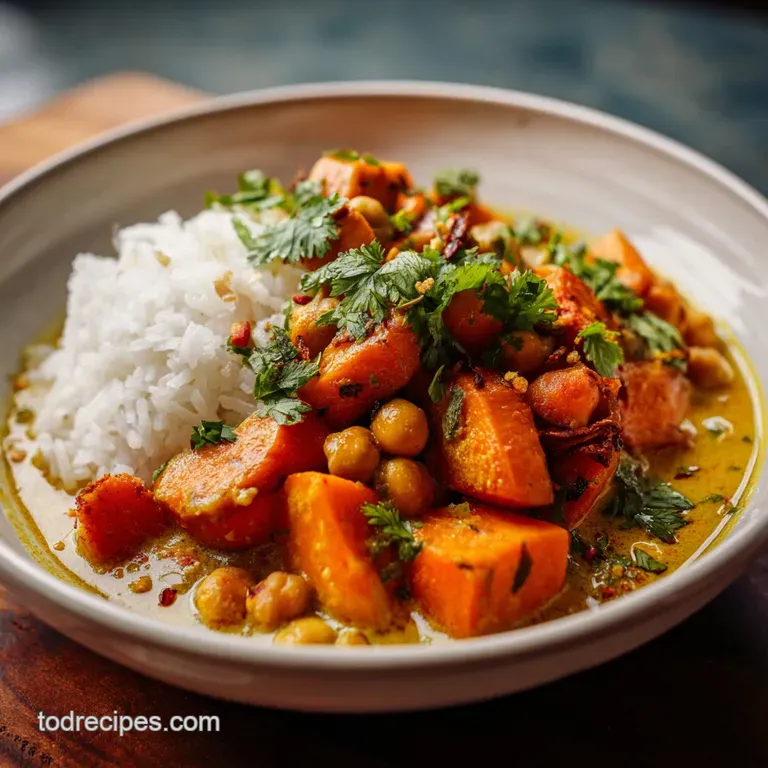
- Prep the base. Finely dice your red onion and mince the garlic and ginger. Note: Small pieces ensure they disappear into the sauce texture.
- Sauté the aromatics. Heat the 2 tbsp coconut oil in your pot over medium heat and add the onion. Cook 3 minutes until translucent and soft.
- Bloom the paste. Add the garlic, ginger, and 1 tbsp red curry paste to the center of the pot. Stir 1 minute until the oil turns red and fragrant.
- Toast the spices. Stir in the turmeric, cumin, coriander, smoked paprika, and salt. Note: Toasting the dry spices for 30 seconds amplifies their flavor.
- Add the bulk. Toss in your 1/2 inch sweet potato cubes and the drained chickpeas. Stir 2 minutes until every piece is coated in the spice paste.
- Deglaze and simmer. Pour in the can of coconut milk and 1 cup of vegetable broth. Simmer 20 minutes until the potatoes are tender when pierced with a fork.
- Wilt the greens. Turn off the heat and stir in the 2 cups of baby spinach. Note: The residual heat is enough to wilt the leaves without overcooking them.
- Brighten the finish. Squeeze in the 1 tbsp lime juice and stir. Taste and adjust salt if needed.
- Garnish and serve. Top with the 1/4 cup fresh cilantro right before bringing the bowls to the table. Serve immediately while the aroma is at its peak.
Troubleshooting Your Curry for Consistent Professional Results
Even with a simple recipe, things can go sideways. The most common issue people have with a vegetarian sweet potato and chickpea curry is the texture of the sauce. If it's too thin, it's likely because the lid was on too tight, preventing evaporation.
If it's too thick, the heat might have been too high, causing the coconut milk to reduce too quickly.
Solving Undercooked Sweet Potato Issues
If your timer goes off and the potatoes are still firm, don't panic. This usually happens if the cubes were cut larger than 1/2 inch or if the potatoes were particularly old and starchy. Just add an extra 1/4 cup of broth, put a lid on the pot, and give it another 5 minutes.
The steam trapped by the lid will help soften the cores of the potatoes quickly.
Fixing a Watery Curry Sauce
A watery sauce is often the result of using a low-fat coconut milk or not allowing the simmer to do its job. To fix this instantly, take a fork or a potato masher and crush about 10% of the sweet potatoes and chickpeas directly in the pot.
Stir them back into the liquid; the released starches will act as a natural thickener, giving you that velvety mouthfeel you’re looking for.
| Problem | Root Cause | Solution |
|---|---|---|
| Bland Flavor | Lack of salt or acid | Add a pinch of salt or an extra squeeze of lime juice. |
| Separated Sauce | Boiled too vigorously | Whisk in a splash of cold water and lower the heat immediately. |
| Burnt Spices | Pan was too hot initially | Remove from heat, add a splash of broth, and stir rapidly. |
Common Mistakes Checklist
- ✓ Never skip the blooming step; raw curry paste tastes "tinny" and flat.
- ✓ Don't overcrowd the pot; if the potatoes are piled too high, they won't cook evenly.
- ✓ Avoid boiling the coconut milk on high heat; a gentle simmer prevents the fat from splitting.
- ✓ Use full fat coconut milk for the "cravings" factor; light versions lack the necessary viscosity.
- ✓ Add the lime juice at the very end; cooking the juice can make it taste bitter.
Creative Adaptations to Suit Every Palate and Occasion
One of the reasons I love this recipe is how easy it is to scale or modify. If you're cooking for a crowd, you can easily double the recipe. However, when scaling up, don't just double the salt and spices. Start with 1.5x the amount and taste as you go.
Liquids also evaporate differently in larger pots, so you might need about 10% less broth than a straight double would suggest.
If you’re cooking for just one or two, this recipe halves beautifully. Just be sure to use a smaller pot so the liquid doesn't evaporate too quickly. Since you'll have half a can of chickpeas and coconut milk left, you can store them in airtight containers for up to 3 days.
- If you want more protein: Add 200g of cubed firm tofu or a handful of red lentils during the simmer phase.
- If you want it "Extra Indian Style": Swap the red curry paste for 1 tbsp of garam masala and add a handful of golden raisins for sweetness.
- If you want it without coconut milk: Use 1 cup of heavy cream or a mix of Greek yogurt and water (added at the end) for a different kind of richness.
Maintaining Freshness and Reducing Food Waste Effectively
This sweet potato and chickpea curry with coconut milk actually tastes better the next day. As it sits, the spices continue to penetrate the potatoes, and the sauce becomes even thicker. It's the ultimate meal prep dish. You can keep it in the fridge for up to 4 days, or freeze it for up to 3 months.
When reheating, do it gently on the stovetop. Coconut based sauces can "split" if they are microwaved on high for too long. Add a tiny splash of water or broth to loosen the sauce as it warms up. If you're using the freezer, leave about an inch of headspace in your container, as the liquid will expand.
For a zero waste approach, don't toss the cilantro stems! They have more flavor than the leaves. Finely mince them and sauté them right along with the garlic and ginger. Also, if you have leftover sweet potato peels, toss them with a little oil and salt and bake them at 200°C until crispy they make a great snack while you wait for your curry to simmer.
Elevating Your Meal with the Ideal Side Dish Pairings
While this curry is a powerhouse on its own, the right sides can turn it into a full on feast. A scoop of fluffy Basmati or Jasmine rice is the classic choice to soak up all that golden sauce.
If you’re feeling adventurous, try serving it with some toasted naan or even a piece of sourdough bread sometimes you just need a sturdy carb to mop up the bowl.
For a bit of crunch, I love topping my bowl with toasted cashews or peanuts. It adds a savory, fatty contrast to the soft potatoes. If you want to keep things light, a simple cucumber and red onion salad with a vinegar dressing provides a cool, crisp counterpoint to the warm spices.
- Decision Shortcut
- If you want X, do Y
- If you want a deeper flavor
- Char the sweet potato cubes in a hot pan before adding the liquid.
- If you want more heat
- Add a finely chopped bird's eye chili along with the garlic.
- If you want it creamier
- Stir in a tablespoon of peanut butter or almond butter at the end.
The Myth of Long Simmered Curries
A common misconception is that a curry isn't "authentic" unless it has spent hours on the stove. This is simply not true for vegetable based curries. Unlike tough cuts of meat that need time to break down collagen, vegetables have delicate cell structures.
Overcooking sweet potatoes past the 20 minute mark actually dulls their vibrant seasonal flavor and turns the sauce grainy.
Another myth is that you must peel the ginger. In reality, the skin of young ginger is so thin it's barely noticeable once grated. It contains high concentrations of essential oils, so leaving it on actually enhances the aroma.
Save your time and effort for the things that matter like making sure you have enough lime juice for that final, bright zing!
Recipe FAQs
Can I make this curry ahead of time for meal prep?
Yes, it improves overnight. This curry tastes even better the next day as the spices fully infuse the sweet potatoes and chickpeas.
How to ensure the sweet potatoes are tender but not mushy?
Dice them uniformly to 1/2 inch before adding. Simmer gently, covered, for exactly 20 minutes; crushing a few potatoes at the end helps thicken the sauce naturally.
Is it true I must use full fat coconut milk for the sauce to be right?
No, this is a common misconception. While full fat yields the most luxurious texture, you can substitute it with cashew cream if you need to avoid the high saturated fat content.
How to thicken the curry sauce if it ends up too watery after simmering?
Mash about 10% of the sweet potatoes and chickpeas against the side of the pot. The starches released from the crushed ingredients will bind the liquid immediately, creating a thicker consistency.
What is the best way to enhance the bright flavor notes in this dish?
Stir in fresh lime juice right before serving. Acidity cuts through the richness of the coconut fat, making the entire dish taste brighter and more complex, similar to how we balance flavors in our Pumpkin Soup Recipe.
What can I substitute if I do not have red curry paste?
Combine 1 tbsp of tomato paste with 1 tsp of chili flakes. This substitution mimics the color and base heat but will require adding a pinch of lemongrass or ginger powder if available.
Should I bloom the curry paste, or just stir it in with the liquids?
Always bloom the paste in hot oil first. Sautéing the paste for one minute releases its fat-soluble flavor compounds, preventing a raw, gritty taste in the final sauce.
Sweet Potato Chickpea Curry
Ingredients:
Instructions:
Nutrition Facts:
| Calories | 524 calories |
|---|---|
| Protein | 10.6 grams |
| Fat | 28.5 grams |
| Carbs | 58.4 grams |
| Fiber | 11.2 grams |
| Sugar | 12.8 grams |
| Sodium | 645 milligrams |
