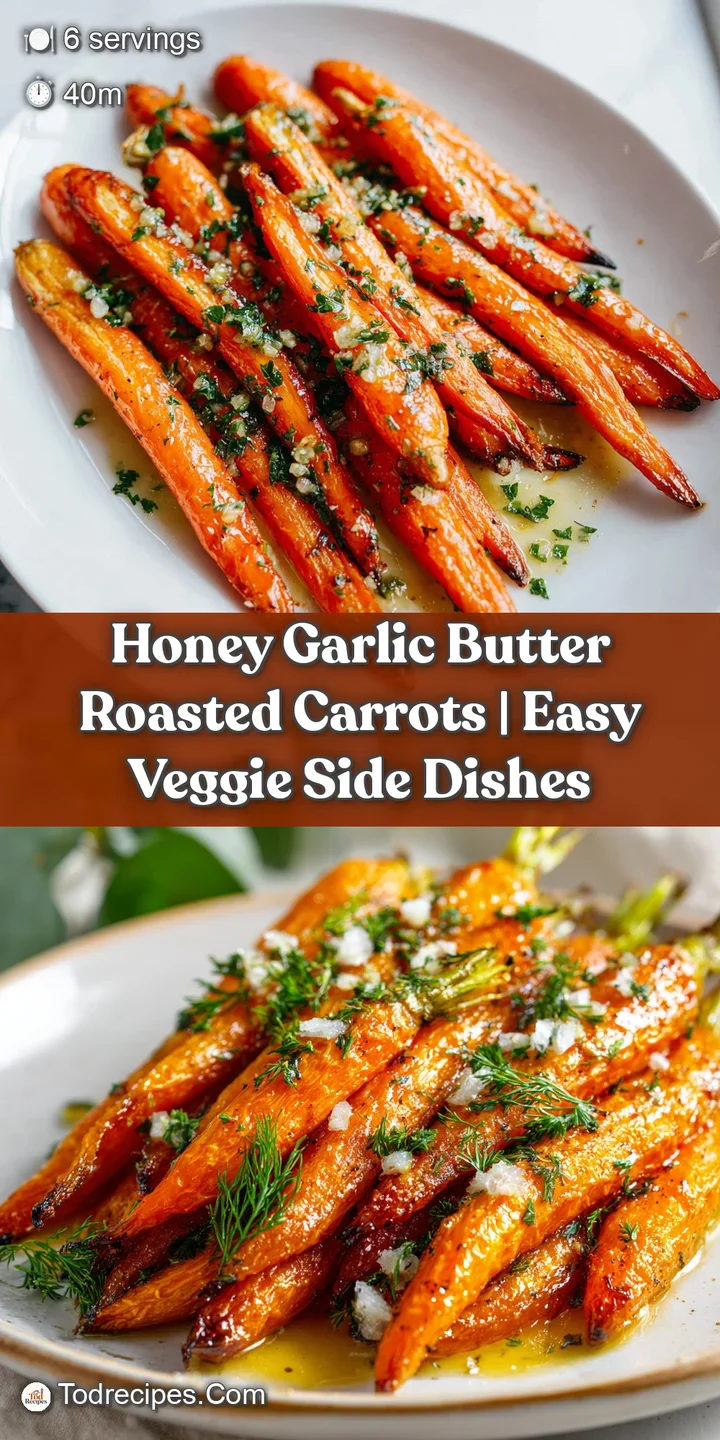
Honey Garlic Butter Roasted Carrots
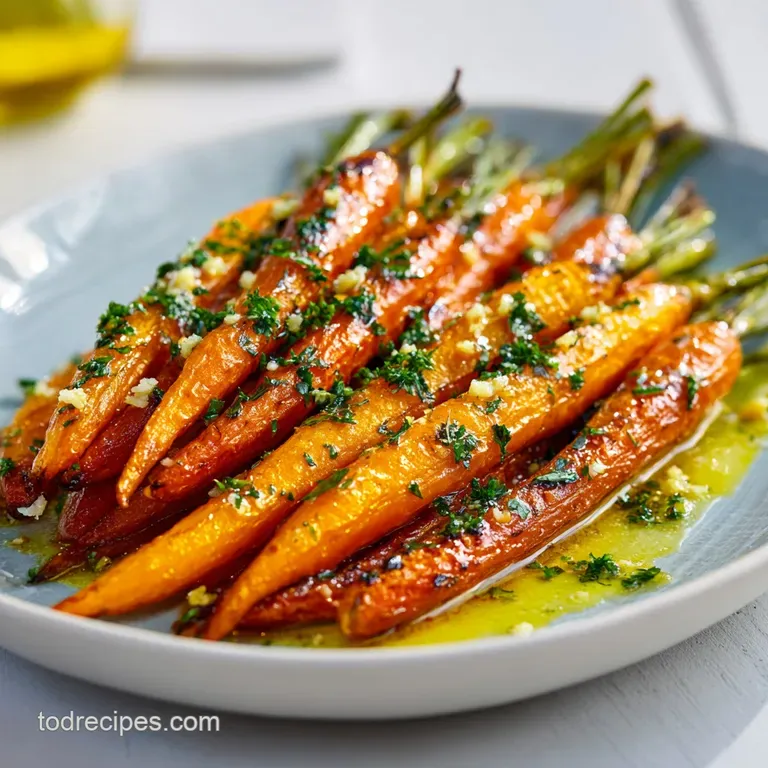
- Time: Active 15 minutes, Passive 25 minutes, Total 40 minutes
- Flavor/Texture Hook: A velvety, buttery interior with a shatter crisp honey garlic glaze
- Perfect for: Seasonal holiday spreads or a vibrant weeknight side dish
- Mastering a Honey Garlic Butter Roasted Carrots Recipe
- Precise Specs for Success
- Deep Dive Into Ingredients
- Necessary Tools for Roasting
- Step-By-Step Cooking Stages
- Troubleshooting and Pro Fixes
- Customizing Your Roasted Side
- Scaling the Recipe
- Practical Guidelines for Storing and Reviving
- Kitchen Myths Debunked
- Fresh Main Dishes That Pair Beautifully
- Recipe FAQs
- 📝 Recipe Card
Mastering a Honey Garlic Butter Roasted Carrots Recipe
The scent of roasting garlic hitting bubbling butter is enough to make anyone linger in the kitchen. I remember the first time I actually tried to roast carrots for a big family dinner. I was so used to them being steamed or tossed into a pot roast that I didn't realize they could actually be the star of the plate.
I threw them in the oven with a little oil, and they came out sad, shriveled, and remarkably bland. It was a total letdown.
That failure taught me that carrots need a bit of help to reach their full potential. They have a massive amount of natural sugar locked inside their cellular walls, but you need the right balance of heat and fat to release it.
Now, when I pull these out of the oven, the honey has formed a sticky, fragrant lacquer that makes the vibrant orange skin shimmer under the kitchen lights.
This method isn't just about cooking a vegetable until it's soft. It is about creating layers of flavor that hit every part of your palate. You get the richness from the unsalted butter, the floral sweetness of the raw honey, and that sharp, savory bite from the fresh garlic.
It's a combination that feels fancy but is honestly one of the easiest things you'll ever make.
Precise Specs for Success
Concentrated Caramelization: High heat at 200°C (400°F) forces the carrot's internal moisture to evaporate, which effectively fries the vegetable in its own sugars and the added fats.
This creates that specific "shatter" texture on the edges while keeping the middle tender.
Glaze Adhesion: Honey acts as a natural binder, creating a viscous matrix that prevents the butter from simply sliding off the carrots and pooling at the bottom of the pan. This ensures every bite is fully coated in the garlic infused mixture.
| Method | Cook Time | Texture | Best For |
|---|---|---|---|
| Standard Oven | 25 minutes | Soft with crisp edges | Traditional family dinners |
| Air Fryer | 15 minutes | Extra crispy/charred | Quick weeknight meals |
| Stovetop Glazed | 12 minutes | Tender and saucy | Soft texture lovers |
Success with this dish depends heavily on how you treat the carrots before they even hit the heat. If you leave them wet after washing, they will steam rather than roast, and you'll lose that golden color we're after. I always pat mine bone dry with a clean kitchen towel before tossing them with the garlic butter.
Deep Dive Into Ingredients
| Component | Science Role | Pro Secret |
|---|---|---|
| Unsalted Butter | Provides the fat medium for heat transfer and carries garlic flavors. | Use high fat European style butter for a more velvety mouthfeel. |
| Raw Honey | Lowers the temperature at which browning occurs through sugar interaction. | Add 1/4 of the honey at the very end to keep the floral notes fresh. |
| Fresh Garlic | Releases sulfur compounds that balance the heavy sweetness of the carrots. | Mince it finely but don't press it; you want tiny bits that caramelize. |
| Carrots | The structural base that provides natural glucose for the roasting process. | Select carrots of similar thickness so they finish cooking at the same time. |
When selecting your produce, look for carrots that still have the greens attached if possible. Those are usually the freshest and have the most "snap." Avoid the ones that feel rubbery or have deep cracks, as they won't hold the glaze as well. If you're looking for a similar vibe but with different veggies, you might enjoy this Skillet Zucchini Mushrooms recipe which uses a similar garlic butter base.
- 2 lbs (900g) carrots
- Peeled and trimmed. Why this? Fresh carrots have higher moisture levels, which leads to a creamier interior when roasted. (Substitute: Parsnips for an earthier, spicier profile).
- 1/4 cup (55g) unsalted butter
- Melted. Why this? Unsalted allows you to control the seasoning precisely without over salting the glaze. (Substitute: Ghee for a higher smoke point and nuttier aroma).
- 3 tbsp raw honey
- For the sticky glaze. Why this? Honey has a unique viscosity that clings to the carrots better than maple syrup. (Substitute: Agave nectar for a vegan friendly option with less floral intensity).
- 4 cloves garlic
- Minced. Why this? Fresh garlic provides a punchy aroma that cuts through the sugar. (Substitute: 1 tsp garlic powder, though it lacks the texture of fresh).
- 1/2 tsp kosher salt
- For balance. Why this? Large flakes dissolve slowly, providing little bursts of seasoning. (Substitute: Sea salt).
- 1/4 tsp cracked black pepper
- For a hint of heat. Why this? Freshly cracked pepper has volatile oils that pre ground pepper loses. (Substitute: White pepper for a milder, more aesthetic look).
- 2 tbsp fresh parsley
- Minced. Why this? Adds a vibrant green color and a grassy finish to cut the richness. (Substitute: Fresh thyme or chives).
Necessary Tools for Roasting
You don't need a professional kitchen to pull this off, but a few specific tools make a world of difference. A large rimmed baking sheet is essential because it allows the air to circulate around the carrots.
If you use a high walled casserole dish, the carrots will end up sitting in their own juices and steaming, which is the enemy of caramelization.
I also highly recommend using parchment paper or a silicone baking mat. Honey becomes very sticky once it cools, and cleaning a bare metal pan after roasting sugars is a nightmare you don't want.
A small whisk is also helpful to emulsify the honey and butter before you pour it over the vegetables, ensuring every inch is coated evenly.
step-by-step Cooking Stages
- Preheat the oven. Set your oven to 200°C (400°F) and line your baking sheet. Note: A hot oven is crucial for immediate moisture evaporation.
- Prepare the carrots. Peel and trim the tops. Slice any particularly thick carrots in half lengthwise until they are all roughly the same diameter.
- Make the emulsion. Melt the butter in a small saucepan over medium low heat. Whisk in the honey and minced garlic until the garlic is fragrant (usually about 1 minute).
- Arrange the vegetables. Place the carrots in a single layer on the baking sheet. Avoid overlapping to ensure they roast rather than steam.
- Apply the first glaze. Pour 3/4 of your honey garlic butter over the carrots and toss well. Reserve the remaining 1/4 for later.
- Season the pan. Sprinkle the kosher salt and cracked black pepper evenly over the coated carrots.
- Roast the batch. Bake for 20 to 25 minutes. Flip them halfway through to get color on all sides.
- Check for doneness. The carrots are ready when they are tender when pierced with a fork and the edges look golden brown.
- Apply the finish. Drizzle the remaining 1/4 of the glaze over the hot carrots immediately after removing them from the oven.
- Garnish and serve. Toss with the fresh minced parsley until the green flecks are evenly distributed.
Chef's Note: If your carrots are very thin "baby" carrots, reduce the roasting time by 5 minutes to prevent the tips from burning before the centers soften.
Troubleshooting and Pro Fixes
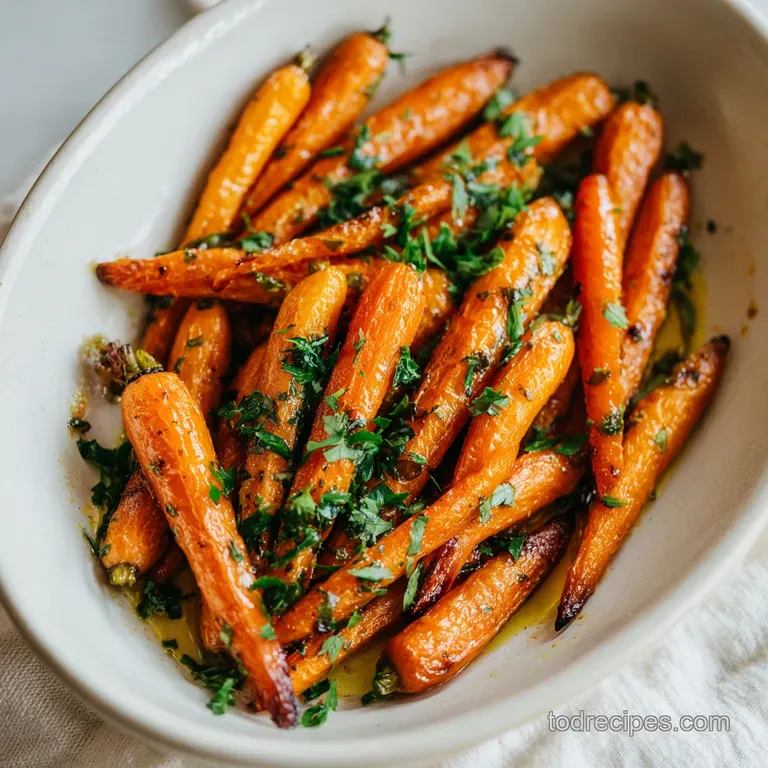
Fixing Mushy Vegetable Texture
If your carrots turn out soft and limp rather than having that slight snap, it's usually because the oven wasn't hot enough or the pan was too crowded. When carrots are too close together, they release steam that gets trapped between them.
Avoiding Scorched Garlic Bits
Garlic can turn bitter if it burns. If you find your garlic is turning black before the carrots are tender, try mincing it a bit more coarsely next time, or tucking the garlic pieces under the carrots so they are shielded from the direct heat of the oven.
| Problem | Root Cause | Solution |
|---|---|---|
| Uneven Cooking | Carrots are different sizes | Cut larger carrots in half or thirds to match the smaller ones. |
| Glaze Pooling | Honey and butter didn't emulsify | Whisk the glaze vigorously before pouring to ensure the fat and sugar stay joined. |
| Burnt Tips | Sugar concentration at the narrow ends | Arrange carrots with tips pointing toward the center of the pan where heat is less intense. |
Common Mistakes Checklist
- ✓ Always pat carrots dry after washing to ensure the glaze sticks and they roast properly.
- ✓ Preheat the baking sheet in the oven for 5 minutes for an extra crispy bottom.
- ✓ Don't skip the halfway flip; it's the only way to get even caramelization.
- ✓ Use fresh garlic instead of the jarred kind, which often has a metallic aftertaste that ruins the honey flavor.
- ✓ Let the carrots sit for 2 minutes after the final drizzle so the glaze can set slightly.
Customizing Your Roasted Side
If you want to take this honey garlic butter roasted carrots recipe in a different direction, try adding a tablespoon of Sriracha to the butter mixture. This creates a "hot honey" effect that is incredible with the natural sweetness of the carrots.
You can also swap the parsley for fresh thyme if you're serving this with a heavy roast beef or lamb, as the woodsy notes of thyme hold up better against red meat.
For a vegan version, you can replace the butter with a high-quality vegan butter substitute and use maple syrup instead of honey. The maple syrup has a slightly lower burning point, so keep an eye on them during the last 5 minutes of roasting. If you're looking for another savory side that hits these same notes, my Garlic Parmesan Chicken Potatoes would be a fantastic companion on a dinner plate.
Scaling the Recipe
When cutting this recipe in half, you can easily use a smaller toaster oven pan. Just keep an eye on the timing, as smaller batches tend to cook about 20% faster because there is more air circulating around the fewer vegetables.
If you only have one large egg for another recipe and need half, beat it and use two tablespoons, though this recipe is happily egg free!
If you are doubling the recipe for a crowd, use two separate baking sheets. Do not try to cram 4 lbs of carrots onto one sheet. If you do, they will pile up and you'll end up with boiled carrots in butter sauce.
Rotate the pans between the top and bottom racks halfway through the cooking time to ensure they both get hit with the same amount of heat.
Practical Guidelines for Storing and Reviving
Roasted carrots are actually surprisingly good as leftovers. You can store them in an airtight container in the fridge for up to 4 days. When you're ready to eat them again, avoid the microwave if possible, as it will make them rubbery.
Instead, toss them back into a hot skillet for 3 minutes or a 180°C (350°F) oven for 10 minutes to bring back that glaze's shine.
For freezing, they will last about 3 months, but be warned: the texture will be much softer once thawed. They are best used in soups or purees after being frozen. For a zero waste tip, don't throw away those carrot peels!
You can toss them in a bit of oil and salt and roast them at the same time as the carrots for about 10 minutes to make "carrot skin chips," or save the ends and peels in a bag in the freezer to make a rich vegetable stock later.
Kitchen Myths Debunked
Many people believe that peeling carrots removes all the nutrients. While the skin does contain a high concentration of phytonutrients, roasting with the skin on can sometimes result in a bitter or "earthy" taste that many find unpleasant in a sweet dish.
Peeling also allows the honey garlic butter to penetrate the flesh of the carrot more effectively, leading to a much better flavor profile.
Another common misconception is that you should always use baby carrots for roasting because they are "sweeter." In reality, most "baby" carrots in stores are just regular carrots that have been whittled down, losing their flavorful outer layer in the process.
Whole, full sized carrots that you peel and prep yourself will almost always have a deeper, more complex flavor than the bagged mini versions.
Fresh Main Dishes That Pair Beautifully
This dish is a chameleon when it comes to pairings. Because it has both sweet and savory elements, it works just as well with a Thanksgiving turkey as it does with a simple seared salmon fillet.
The vibrant orange color makes any plate look like it came out of a professional kitchen, especially when you hit it with that final sprinkle of green parsley.
I love serving these alongside a salty, crispy protein. The contrast between a salty crust on a steak and the honey glaze on the carrots is world class. If you're looking for a one pan meal vibe, you could even roast these on the same sheet as some chicken thighs, though you'd want to give the chicken a 10 minute head start since it takes longer to cook through than the carrots.
Recipe FAQs
How do you roast carrots with garlic and honey?
Arrange the carrots in a single layer on a parchment lined sheet after tossing them in the honey garlic butter emulsion. Roast at 400°F for 20-25 minutes, flipping them halfway through to ensure even caramelization.
Should I boil my carrots before honey roasting them?
No, avoid boiling. Pre-boiling introduces excess moisture that prevents the natural sugars from caramelizing properly in the oven; roasting them raw ensures a superior texture.
How do you roast carrots with honey and butter?
Whisk melted butter with honey and minced garlic in a saucepan until fragrant, then coat the carrots thoroughly before roasting. The butter carries the flavor while the honey promotes the dark, caramelized finish you want.
How to make the best honey glazed carrots?
Slice thicker carrots in half lengthwise to create a uniform diameter across the batch. This simple prep step ensures every piece finishes roasting at the same time, preventing uneven texture.
Is it true I should crank my oven to 450°F for faster roasting?
No, this is a common misconception. Sticking to 400°F is essential to roast the carrots through without burning the honey glaze before the center becomes tender.
How to ensure the garlic doesn't burn during the roasting process?
Keep the garlic minced finely and emulsify it into the butter and honey before coating the carrots. If you enjoyed mastering this garlic infusion technique, you can apply similar flavor balancing principles to other savory dishes.
How to tell when the roasted carrots are perfectly done?
Check for a tender interior when pierced with a fork and visible browning on the edges. The carrots should offer no resistance, and the honey butter mixture should be reduced to a sticky, glossy coating.
Honey Garlic Roasted Carrots
Ingredients:
Instructions:
Nutrition Facts:
| Calories | 162 kcal |
|---|---|
| Protein | 1.4 g |
| Fat | 7.6 g |
| Carbs | 22.2 g |
| Fiber | 3.8 g |
| Sugar | 15.1 g |
| Sodium | 208 mg |
