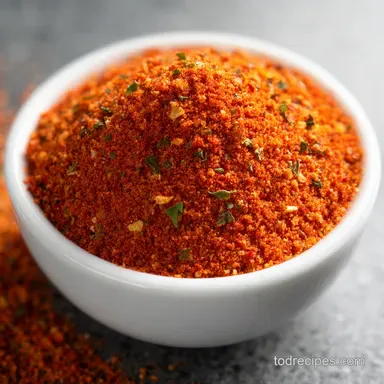
Chicken Seasoning Blend: Savory Steakhouse Crust
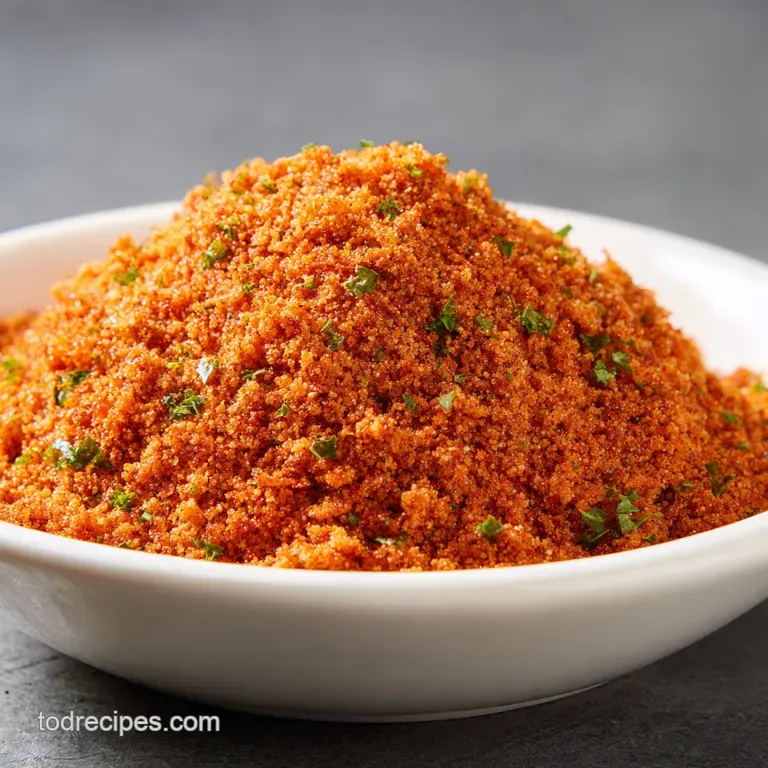
- Time:5 minutes active + 30 minutes resting = Total 35 minutes
- Flavor/Texture Hook: Smoky, savory crust with a subtle sweet finish
- Perfect for: Weeknight dinners, meal prep, and beginner friendly roasting
- Making Your Own Chicken Seasoning Blend
- Recipe Details and Specs
- Breakdown of the Ingredients
- The Essential Kitchen Tools
- Detailed Mixing Instructions
- Fixing Common Spice Issues
- Troubleshooting Common Issues
- Customizing the Flavor Profile
- Storing Your Spice Mix
- Serving and Pairing Ideas
- Critical Sodium Level
- Recipe FAQs
- 📝 Recipe Card
I remember the first time I tried to make a roast chicken for my parents. I just dumped some table salt and pepper on it and hoped for the best. The result was a piece of meat that looked like it had been boiled in a gray bath, and it tasted like nothing but salt.
It was a total disaster, and honestly, it almost made me give up on roasting entirely.
The problem was that I didn't have any way to help the meat brown or add layers of flavor. I was just seasoning for salt, not for taste. That's why I started experimenting with different ratios of paprika and garlic, trying to find something that didn't burn but still gave that deep, reddish brown color.
Once I figured out the balance of smoked paprika and a touch of brown sugar, everything changed. My first homemade Chicken Seasoning Blend was a revelation in my own kitchen. Now, I use this for everything from thighs to wings, and I'm sharing it with you so you never have to deal with "gray chicken" ever again.
Making Your Own Chicken Seasoning Blend
Right then, let's get into why this actually works. Most store-bought rubs are just salt and fillers, but this mix is designed to handle the heat of a pan or oven.
Moisture Draw: The Kosher salt pulls a bit of moisture to the surface, which then dissolves the spices into a concentrated brine that soaks back into the meat.
Sugar Browning: That tiny bit of brown sugar doesn't make the chicken sweet, but it helps the surface caramelize quickly, giving you a rich color.
Flavor Layering: Using both garlic and onion powder creates a base of "umami" that makes the meat taste meatier, while the herbs add a high note freshness.
Heat Balance: The cayenne is there for a tiny kick, but the smoked paprika masks the sharpness, turning it into a warm glow rather than a burn.
| Method | Prep Time | Texture | Best For |
|---|---|---|---|
| Fast Rub | 2 minutes | Light crust | Quick pan searing |
| Classic Rest | 30 minutes | Deeply savory | Roasting/Grilling |
Recipe Details and Specs
Before we mix things up, let's talk about the components. I've spent a lot of time playing with these ratios, and trust me, the smoked paprika is non negotiable. If you use regular paprika, you lose that "outdoor grill" vibe.
According to the experts at Serious Eats, dry brining with a salt based rub is the most effective way to ensure the meat stays juicy while the skin gets a satisfying sizzle. It's all about giving the salt time to penetrate the muscle fibers.
Component Analysis
| Ingredient | Science Role | Pro Secret |
|---|---|---|
| Kosher Salt | Moisture Control | Use coarse grains to avoid over salting |
| Smoked Paprika | Color & Aroma | Provides the "charred" look without the fire |
| Brown Sugar | Browning Agent | Keep it minimal to avoid burning the rub |
| Garlic Powder | Savory Base | Use powder, not granulated, for better adhesion |
Breakdown of the Ingredients
Here is exactly what you need. Don't bother with low quality spices that have been sitting in the back of your cupboard for three years, as they lose their punch.
- 2 tbsp Kosher salt Why this? Coarser grains distribute more evenly
- 1 tbsp Garlic powder Why this? Pungent, savory depth
- 1 tbsp Onion powder Why this? Mellows out the garlic
- 1 tbsp Smoked paprika Why this? Essential for the reddish brown crust
- 1 tsp Dried oregano Why this? Adds earthy, herbal notes
- 1 tsp Dried thyme Why this? Classic poultry pairing
- 1 tsp Ground black pepper Why this? Sharp, woody heat
- 1/2 tsp Cayenne pepper Why this? Adds a subtle back end kick
- 1 tsp Brown sugar Why this? Helps with caramelization
Ingredient Swaps
| Original Ingredient | Substitute | Why It Works |
|---|---|---|
| Kosher Salt | Sea Salt | Similar mineral profile. Note: Use slightly less as it can be saltier |
| Smoked Paprika | Sweet Paprika | Same color. Note: Loses the smoky flavor, tastes milder |
| Brown Sugar | Maple Sugar | Same browning effect. Note: Adds a hint of maple flavor |
| Dried Oregano | Dried Basil | Similar herbal profile. Note: Sweeter and less "sharp" than oregano |
You'll notice I used a very specific amount of sugar. If you go overboard, the rub will burn before the chicken is actually cooked through. It's a fine line between a golden crust and a blackened mess.
The Essential Kitchen Tools
You don't need a fancy lab for this. I usually just use whatever is on my counter. If you have a small whisk, that's great, but a fork works just as well for breaking up those stubborn sugar clumps.
The only thing I really insist on is an airtight glass jar. Plastic can absorb the smell of the garlic and onion over time, and glass keeps the oils in the spices from oxidizing, which keeps the flavor sharp for longer.
Chef's Note: If you're in a rush, you can skip the jar and just mix it in a bowl, but shaking the jar is the only way to ensure the cayenne is perfectly distributed. You don't want one bite to be bland and the next to be a fire breather.
Detailed Mixing Instructions
Let's crack on with the actual process. This is fast, but there are a few spots where you need to pay attention to the texture.
- Place all savory base and aromatic layer ingredients into a small mixing bowl.
- Use a whisk or fork to break up any clumps of brown sugar or garlic powder until the color is uniform and the mixture is a consistent reddish brown powder. Note: Clumps lead to salty hotspots on the meat.
- Transfer the mix into an airtight glass jar, seal the lid tightly, and shake vigorously for 30 seconds to ensure ingredients are evenly distributed.
- Pat chicken dry with paper towels. Note: Moisture on the skin prevents the rub from sticking and stops the sizzle.
- Rub 1 tablespoon of this Chicken Seasoning Blend per pound of meat.
- Press the spices firmly into the skin and meat.
- Let the chicken rest for 15-30 minutes until the spices look "wet" or absorbed.
- Cook using your preferred method.
Fixing Common Spice Issues
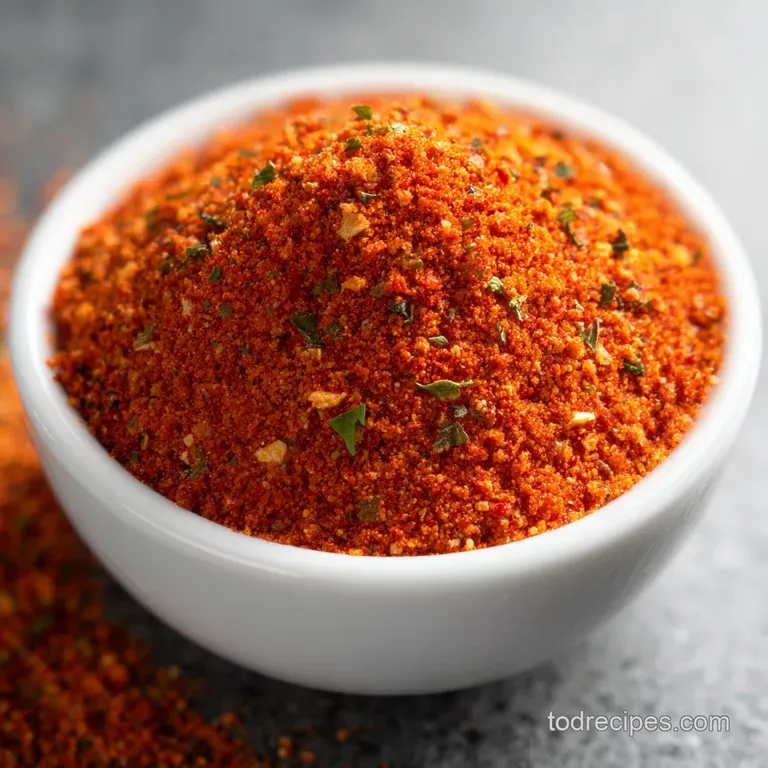
Even with a simple recipe, things can go sideways. The most common issue I see is people applying the rub to wet chicken, which creates a paste rather than a crust.
Troubleshooting Common Issues
| Issue | Solution |
|---|---|
| Why Your Rub is Clumping | If your sugar or garlic powder is forming little balls, it's usually due to humidity. A quick shake in a sealed jar usually fixes this, but if it's really bad, sifting the mix through a fine mesh stra |
| Why the Rub Burnt | If your chicken looks black instead of brown, your pan was likely too hot. The brown sugar in the blend is great for color, but it can scorch if the temperature is too high. |
| Why the Meat is Too Salty | This usually happens if you use table salt instead of Kosher salt. Table salt is much denser, so a tablespoon of it contains way more sodium than a tablespoon of Kosher salt. |
Common Mistakes Checklist
- ✓ Using table salt instead of coarse Kosher salt
- ✓ Applying rub to damp skin
- ✓ Skipping the 15 minute resting period
- ✓ Overloading the meat with too much rub (stick to 1 tbsp/lb)
- ✓ Using old, stale spices from the back of the pantry
If you're looking for something a bit more indulgent, this rub also works as a great base for my baked chicken tenders recipe, though you'll want to mix it with some breadcrumbs for that extra crunch.
Customizing the Flavor Profile
One of the best things about a homemade Chicken Seasoning Blend is that you can tweak it to fit your mood. I often change mine depending on whether I'm grilling outside or roasting in the oven.
The Heat Seeker: If you like a real burn, double the cayenne or add a pinch of chipotle powder for a deeper, smokier heat.
The Herb Garden: For a more "Sunday roast" feel, add an extra teaspoon of dried rosemary or sage. This makes the blend feel more traditional and less like a BBQ rub.
Low Sodium Version: Swap half of the salt for smoked paprika. You'll lose some of the "brining" effect, but you'll still get the color and aroma.
The Sweet Tooth: Add another teaspoon of brown sugar, but be careful! This is best for grilling where you can keep an eye on the flare ups.
Decision Shortcut
- If you want it spicy, add extra cayenne.
- If you want it sweeter, add more brown sugar.
- If you want it herby, double the oregano.
Storing Your Spice Mix
You can make a big batch of this and it'll stay fresh for a long time. Just keep it in a cool, dark place. I usually keep mine in the pantry, away from the stove, because the heat from the oven can degrade the volatile oils in the herbs.
Fridge/Pantry: Store in a glass jar for up to 6 months. Freezer: It'll last a year in the freezer, though I've never found it necessary.
To avoid waste, don't just throw away the leftovers in the jar. If you have a little bit of the Chicken Seasoning Blend left that isn't enough for a whole bird, toss it onto some roasted potatoes or cauliflower. It works as a fantastic vegetable seasoning too.
Interestingly, this style of dry rub is very similar to what I use for my honey glazed spiral ham, just with a different sugar to salt ratio. Most savory rubs follow the same logic: salt for penetration, sugar for color, and aromatics for soul.
Serving and Pairing Ideas
When you use this rub, the chicken comes out with a beautiful, deep bronze color. It looks professional, but it's just the result of that paprika and sugar working together.
For a full meal, I love serving this with something creamy to balance the smokiness. A side of garlic mashed potatoes or a crisp slaw works wonders. If you're making sandwiches, try using my soft sourdough sandwich loaf to soak up all those savory juices.
The Finishing Touch
Once the chicken comes out of the oven, let it rest for 5-10 minutes. While it rests, the juices redistribute, and the crust sets. If you want to go the extra mile, hit it with a squeeze of fresh lemon juice right before serving. The acidity cuts through the smokiness and wakes up all the herbs.
Spice Myths
Myth: You need to sear meat to "seal in juices." Truth: Searing is actually about flavor and color. Moisture loss happens regardless of searing, but the crust created by this blend adds a layer of taste that you just can't get from boiling or steaming.
Myth: Adding sugar to a rub makes the meat taste like dessert. Truth: In small amounts, sugar acts as a catalyst for browning. It's about the chemistry of the crust, not the sweetness of the meat.
Critical Sodium Level
1140 mg 1,140 mg of sodium per serving (50% 50% of daily value)
The American Heart Association recommends a daily sodium limit of 2,300 mg, and an ideal limit of 1,500 mg for most adults to reduce cardiovascular risk.
Tips to Reduce Sodium
-
Reduce Kosher Salt-30%
The Kosher salt is the primary sodium source; reduce this amount by half or replace it with a salt free seasoning blend.
-
Add Acidic Brightness-10%
Incorporate fresh lemon juice or a splash of vinegar to the mix; acidity mimics the tongue's perception of saltiness.
-
Boost Dried Herbs-5%
Increase the quantity of dried oregano and thyme to provide more aromatic depth, reducing the need for salt to carry the flavor.
-
Leverage Pungent Spices
Experiment with more smoked paprika and cayenne pepper to create a bold flavor profile that distracts from the reduction in salt.
Recipe FAQs
What is the best seasoning blend for chicken?
A balanced mix of savory, smoky, and sweet notes. This blend uses smoked paprika for depth and a touch of brown sugar to encourage caramelization on the skin.
What spices do you mix with chicken?
Combine garlic powder, onion powder, smoked paprika, dried oregano, and dried thyme. Round out the flavor with Kosher salt, black pepper, cayenne, and brown sugar.
Is it true that chicken seasoning must only contain five spices?
No, this is a common misconception. While some simple blends are limited, using a wider variety of aromatics and herbs creates a more complex and professional flavor profile.
What is chicken seasoning made of?
A blend of salt, pungent aromatics, earthy herbs, and a sweetener. This specific mix relies on Kosher salt for seasoning and brown sugar to help achieve a deep brown crust.
Why is my spice rub clumping together?
Humidity often causes the brown sugar or garlic powder to form small balls. Shake the mixture vigorously in a sealed jar or sift it through a fine mesh strainer to restore a uniform powder.
How to apply the seasoning to the chicken?
Pat the meat dry and rub 1 tablespoon of seasoning per pound. Let it rest for 15 30 minutes before cooking; if you enjoy this dry rub technique, it also works great for sheet pan garlic butter chicken.
How long can I store the seasoning blend?
Store in an airtight glass jar for up to 6 months in a cool, dark pantry. It can be kept in the freezer for up to a year, though pantry storage is usually sufficient.
Homemade Chicken Seasoning Blend