Greek Lemon Rice: Zesty and Fluffy
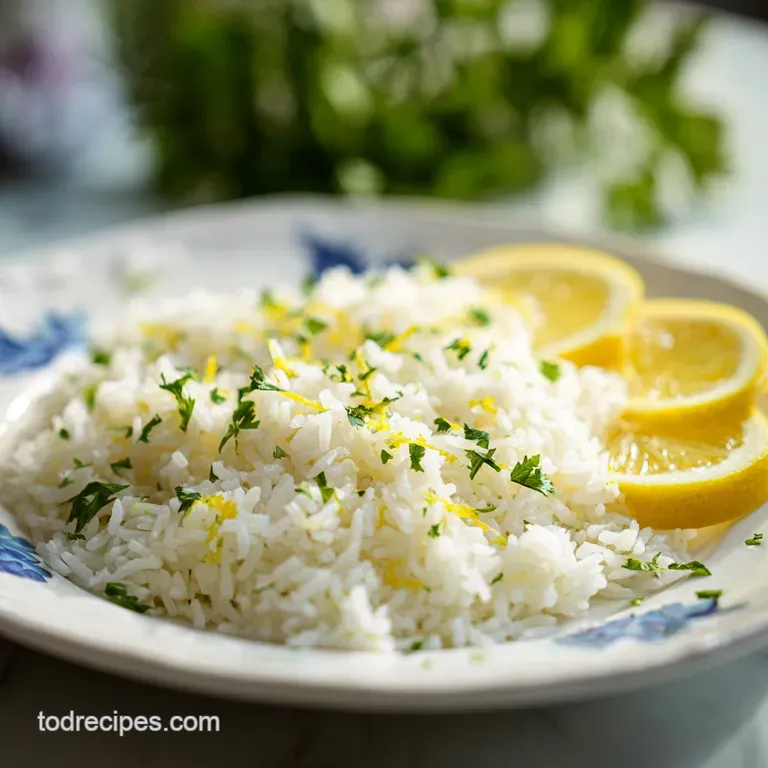
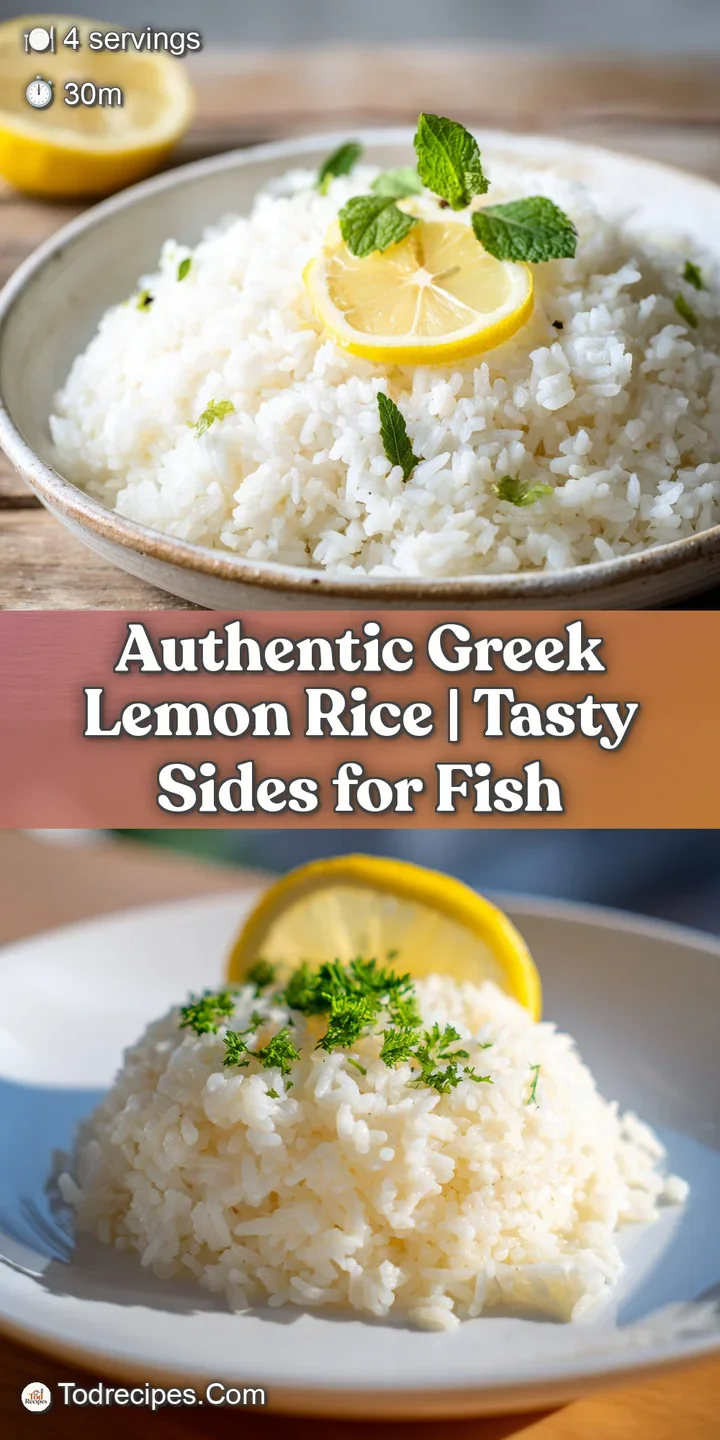
- Time: Active 10 minutes, Passive 20 minutes, Total 30 minutes
- Flavor/Texture Hook: Zesty, herbaceous, and incredibly fluffy
- Perfect for: Summer grilling, meal prep, or Mediterranean nights
- Bright and Zesty Greek Lemon Rice Recipe
- The Secret to Greek Lemon Rice
- Ingredient Deep Dive for Flavor
- Essential Kitchen Tools for Success
- Step by Step Cooking Method
- Avoiding Common Rice Disasters
- Smart Ingredient Swaps and Twists
- Storage and Zero Waste Tips
- Perfect Main Dishes to Serve
- Recipe FAQs
- 📝 Recipe Card
Bright and Zesty Greek Lemon Rice Recipe
I still remember the first time I sat at a tiny, blue painted table in Chania, overlooking the harbor. The air smelled of salt and grilled octopus, but what stopped me mid sentence was a small bowl of rice sitting next to my sea bass. It wasn't the yellow, oily pilaf I was used to back home.
This was bright, almost glowing with fresh herbs, and each grain stood proud and separate. I must have looked possessed because the owner's grandmother, the true kitchen commander, just laughed and pointed at a lemon tree in the corner.
Since that trip, I spent months trying to replicate that specific zing. I made the mistake of boiling the lemon juice with the rice, which turned it bitter. I tried using short grain rice, which turned it into a gummy mess. Eventually, I realized that the magic happens in layers.
You have to build a base of aromatics, toast the grains like you're making risotto, and save the punchy citrus for the very end. This version I'm sharing with you today is exactly how I make it now when I want that holiday feeling on a Tuesday night.
Trust me, once you smell the dried oregano hitting the hot olive oil, you'll know you're on the right track. We aren't just boiling rice here; we are constructing a flavor profile that is light enough for a summer salad but sturdy enough to sit under a juicy lamb chop.
It’s about that balance of savory garlic and the piquant bite of fresh lemon.
The Secret to Greek Lemon Rice
Starch Surface Sealing: Coating the rice in hot olive oil creates a lipid barrier that prevents the grains from bursting and releasing excess starch. This ensures the texture remains separate and fluffy rather than sticky or clumped together.
Comparison of Cooking Methods
| Method | Time | Texture | Best For |
|---|---|---|---|
| Stovetop (Classic) | 30 minutes | Fluffy, individual grains | Authentic texture |
| Rice Cooker | 25 minutes | Softer, more cohesive | Hands off convenience |
| Instant Pot | 20 minutes | Dense, very moist | Speed and batch prep |
Choosing the right method depends on your desired texture. While the rice cooker is easy, the stovetop allows you to properly sauté the aromatics, which is where the flavor depth truly begins. If you are serving this alongside a protein heavy meal like my Lemon Garlic Shrimp recipe, the stovetop method provides the best structural contrast to the succulent seafood.
Ingredient Deep Dive for Flavor
This dish relies on simple pantry staples, but the way they interact is pure chemistry. Using 2 tbsp extra virgin olive oil provides the fat needed to carry the fat soluble compounds in the 1 tsp dried oregano. Without that oil, the herbs just float on top; with it, they permeate the entire grain.
| Ingredient | Science Role | Pro Secret |
|---|---|---|
| Long grain White Rice | Structural base | Rinse until the water is crystal clear to remove surface dust. |
| Chicken Broth | Umami carrier | Use low sodium to control the salt to acid balance perfectly. |
| Fresh Lemon Juice | Acid brightener | Add only after cooking to keep the Vitamin C flavor bright. |
When you select your lemon, look for one that feels heavy for its size and has a thin, smooth skin. These are usually the juiciest. The 1 large lemon used here provides both the zest for aroma and the juice for that signature piquant finish.
Essential Kitchen Tools for Success
You don't need a high tech kitchen to pull this off, but a heavy bottomed pot is non negotiable. A thin pot will create hot spots, leading to scorched rice at the bottom while the top stays crunchy. I usually reach for a 3 quart stainless steel saucepan with a tight fitting lid.
If your lid has a vent hole, you might need to add an extra tablespoon of broth to compensate for the steam loss.
A microplane or a fine grater is your best friend here. When you zest the lemon, you want only the yellow part. The white pith underneath is incredibly bitter and will ruin the delicate balance we are aiming for. Also, a fine mesh strainer is vital for rinsing your 1.5 cups long grain white rice.
Don't skip the rinse; it is the difference between "restaurant quality" and "grade school cafeteria" texture.
step-by-step Cooking Method
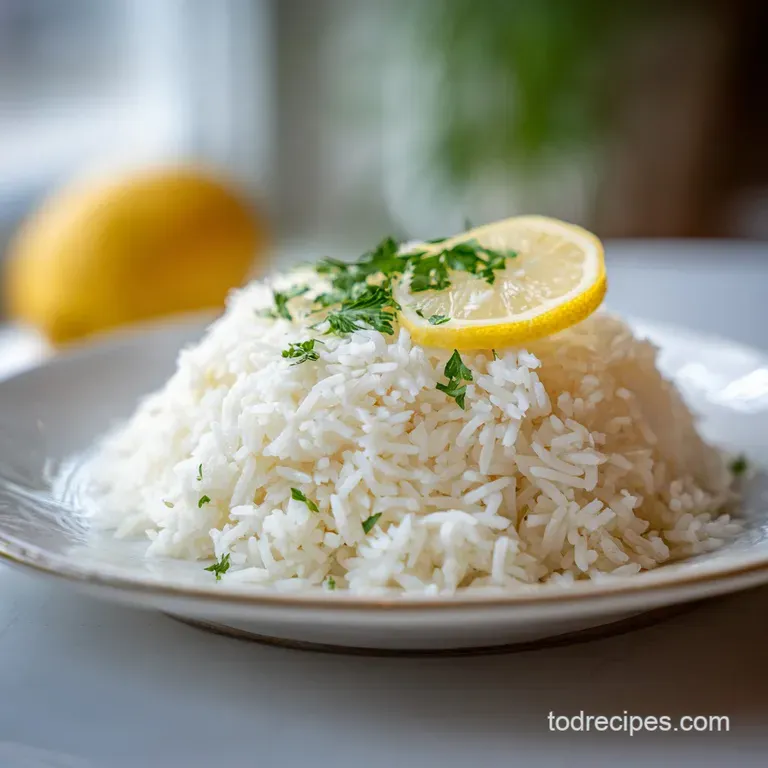
1. The Aromatic Foundation
Heat 2 tbsp extra virgin olive oil in your pot over medium heat. Add 1 small yellow onion, finely diced, and sauté for 4-5 minutes until translucent. You aren't looking for brown caramelization here; you just want them soft and sweet.
Stir in 3 cloves garlic, minced, and 1 tsp dried oregano for 30 seconds until the room smells like a Greek garden.
2. Toasting the Grains
Add the rinsed 1.5 cups long grain white rice directly into the pot with the aromatics. Stir constantly for 2 minutes. You’ll hear the rice "click" and see the edges turn slightly translucent. This toasting step is vital for that nutty flavor and separate grain structure.
3. The Controlled Simmer
Pour in 2.5 cups low sodium chicken broth, 0.5 tsp sea salt, and 0.25 tsp cracked black pepper. Turn the heat up to high and bring the liquid to a rolling boil. Give it one quick stir to make sure no grains are stuck to the bottom, then immediately drop the heat to the lowest setting possible.
4. The Towel Trick Finish
Place the lid on tightly and let it simmer undisturbed for 18 minutes. Note: Resist the urge to peek! Opening the lid lets the steam escape and drops the temperature.
Once the time is up, remove from heat, place a clean kitchen towel between the pot and the lid, and let it sit for 5-10 minutes. The towel absorbs excess moisture so the rice doesn't steam itself into mush.
5. The Final Fluff
Remove the lid and towel. Pour in the juice of the 1 large lemon and sprinkle over the zest. Add 0.25 cup fresh flat leaf parsley and 2 tbsp fresh dill, both finely chopped. Use a fork to gently fluff the rice, folding the herbs and juice through the grains without mashing them.
Avoiding Common Rice Disasters
The biggest heartbreak in rice cooking is the dreaded "mush factor." This usually happens because of too much liquid or over stirring. If you find your rice is always sticky, you might be using a pot that's too small, causing the weight of the rice to crush the grains at the bottom.
Why Your Rice Is Gummy
If your rice looks like a solid block rather than individual grains, the starch wasn't managed properly. This often comes from skipping the rinse or peek a-booing under the lid too often, which disrupts the delicate steam cycle.
| Problem | Root Cause | Solution |
|---|---|---|
| Crunchy Rice | Under hydration | Add 2 tbsp hot broth and steam for 5 more minutes. |
| Burnt Bottom | Heat too high | Use a heavy bottomed pan or a heat diffuser plate. |
| Bland Flavor | Lack of seasoning | Sauté aromatics longer and use high-quality broth. |
Common Mistakes Checklist
- ✓ Rinsing the rice until the water runs clear (essential for removing excess starch).
- ✓ Using a tight fitting lid to trap every bit of steam during the simmer.
- ✓ Letting the rice rest for 10 minutes after cooking before you even think about fluffing it.
- ✓ Adding the fresh herbs and lemon juice only at the very end to preserve their vibrant color and oils.
Smart Ingredient Swaps and Twists
If you are out of long grain white rice, you can use Basmati, which offers a lovely floral note that plays well with the lemon. However, avoid Arborio or short grain sushi rice unless you want a creamy, risotto style result. For a different flavor profile, you might even consider a fusion approach similar to a Taco Rice Bowl recipe by swapping the oregano for cumin, though you'll lose that classic Greek identity.
| Original Ingredient | Substitute | Why It Works |
|---|---|---|
| Chicken Broth | Vegetable Broth | Keeps the dish vegetarian while maintaining depth. |
| Fresh Dill | Fresh Mint | Provides a cooler, sharper herbal finish. |
| Yellow Onion | Shallots | Offers a more delicate, sophisticated sweetness. |
For those looking to add more texture, stirring in 1/4 cup of toasted pine nuts or some sautéed orzo during the toasting phase adds a wonderful crunch and visual variety. If you want a "Healthy Greek rice side," you can use brown rice, but you must increase the broth to 3 cups and the cook time to 45 minutes.
Storage and Zero Waste Tips
This rice keeps remarkably well, making it a champion for meal prep. Store leftovers in an airtight container in the fridge for up to 4 days. When reheating, add a splash of water or broth and cover it to recreate that steam environment; it will bring the grains back to life without drying them out.
You can also freeze this dish! Spread the cooled rice on a baking sheet to freeze individually before bagging it, which prevents a giant frozen clump. It stays good for up to 3 months. For a zero waste tip, don't throw away those squeezed lemon halves.
Toss them into a jar of white vinegar for a week to make a natural, citrus scented kitchen cleaner, or use the leftover parsley stems to flavor your next batch of homemade broth.
Perfect Main Dishes to Serve
This rice is a versatile player that loves anything off the grill. It acts as a bright sponge for juices from roasted meats or grilled vegetables. Because of the high acid content from the lemon, it pairs beautifully with fatty proteins that need a bit of a lift.
- Grilled Chicken Souvlaki: The charred bits of chicken find a perfect home against the herb flecked rice.
- Roasted Lamb Shoulders: The rice cuts through the rich, gamey fat of the lamb perfectly.
- Baked Feta and Veggies: For a vegetarian feast, the salty feta is a dream match for the piquant citrus.
If you are looking for a complete Mediterranean spread, serve this alongside some warm pita bread and a big scoop of tzatziki. The creamy cucumber yogurt sauce mixed with the zesty rice is a texture combination that never gets old.
It’s the kind of meal that makes you want to linger at the table just a little longer, exactly like those long afternoons in Crete.
Recipe FAQs
Can I substitute long grain rice with Arborio rice for this recipe?
No, this will yield a creamy texture. Arborio rice releases high amounts of starch, resulting in a risotto like consistency rather than the desired fluffy, individual grains characteristic of authentic Greek Lemon Rice.
How to prevent the lemon juice from making the rice bitter?
Add all fresh lemon juice only after the cooking process is complete. Boiling the juice with the broth can oxidize the acids and cause an unpleasant bitterness, so reserve it for the final fluffing stage.
Is it necessary to toast the rice grains before adding liquid?
Yes, toasting is critical for texture and flavor. Coating the rice grains in hot olive oil seals the exterior starch, ensuring they cook up separate and slightly nutty, a key technique similar to the process used in our Korean Ground Beef recipe for separate grains.
How long can Greek Lemon Rice be stored in the refrigerator?
It keeps well for up to four days in an airtight container. When reheating, always incorporate a splash of water or broth and cover it to restore the steam lost during cold storage.
What should I do if my rice turns out sticky and gummy?
You likely agitated the rice too much during the simmer. The primary cause of stickiness is disturbing the grains, which releases surface starch; avoid peeking under the lid or stirring after the initial boil.
Can I use dried lemon instead of fresh lemon juice and zest?
No, dried lemon will not provide the necessary bright acidity. You must use fresh zest for aroma and fresh juice for the necessary piquant finish; dried versions lack the vibrant, sharp flavor profile.
What is the best way to incorporate the fresh herbs like dill and parsley?
Fold the finely chopped herbs in gently right after adding the lemon juice. This keeps their color bright and prevents the delicate leaves from being crushed or wilting excessively from prolonged heat exposure.
Greek Lemon Rice Side
Ingredients:
Instructions:
Nutrition Facts:
| Calories | 346 kcal |
|---|---|
| Protein | 6.7 g |
| Fat | 7.8 g |
| Carbs | 61.4 g |
| Fiber | 1.8 g |
| Sugar | 1.4 g |
| Sodium | 392 mg |
