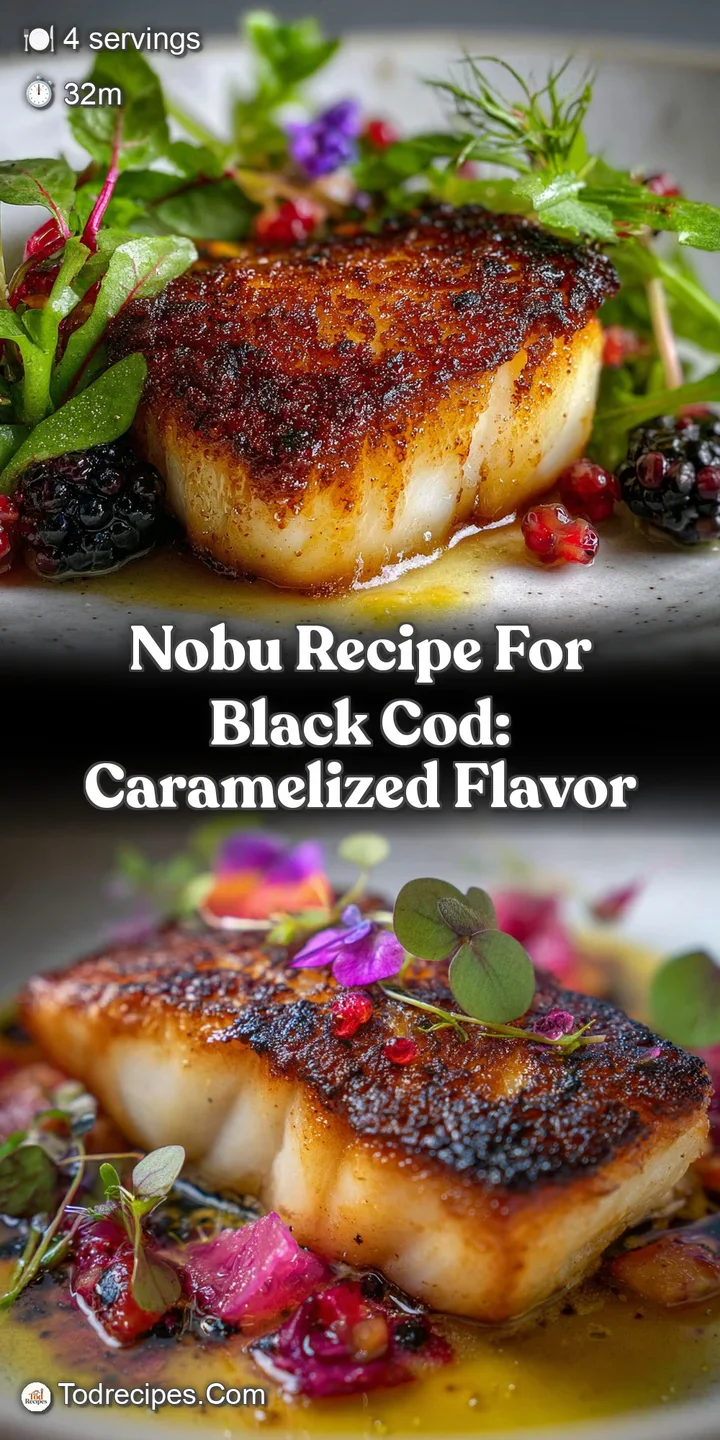
Nobu Recipe for Black Cod: Flaky Umami
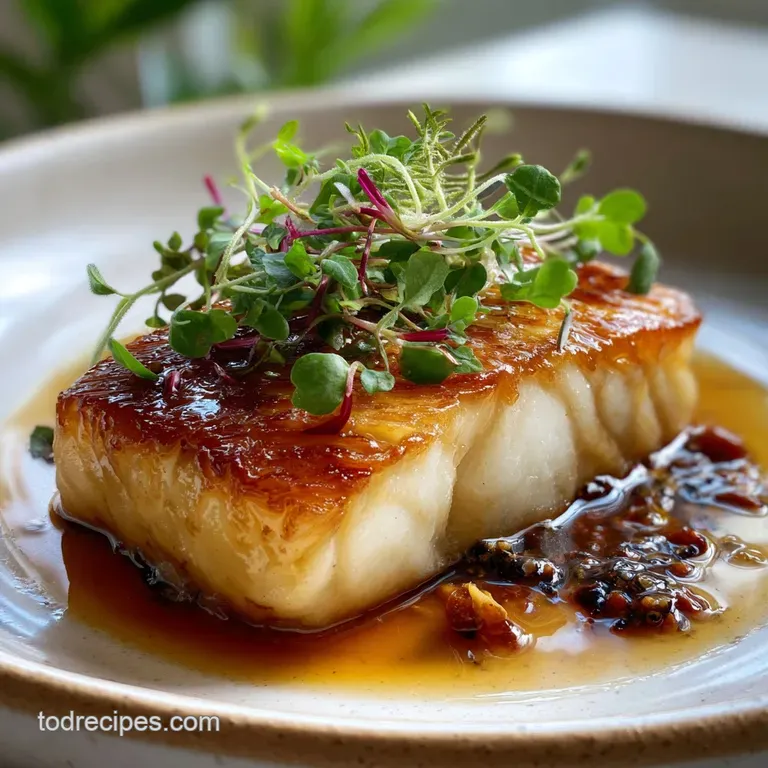
- Time: Active 20 minutes, Passive 72 hours, Total 72 hours 32 mins
- Flavor/Texture Hook: Flaky, caramelized, and buttery umami
- Perfect for: Anniversary dinners or impressing friends who love high end steakhouse seafood.
- Nailing the Nobu Recipe for Black Cod
- The Alchemy of the Osmotic Cure
- Component Analysis
- Selecting Your Pantry Essentials
- Required High Heat Tools
- Executing the Three Day Marinade
- Fixing Common Finish Problems
- Simple Flavor Profile Variations
- Storage and Repurposing Ideas
- Sides That Balance Umami
- Adjusting Yield and Portions
- Busting Traditional Kitchen Lore
- Recipe FAQs
- 📝 Recipe Card
Nailing the Nobu Recipe for Black Cod
I still remember the first time I sat at a dimly lit corner table in a high end fusion spot, staring at a small, charred piece of fish that cost more than my weekly grocery budget.
When the fork touched the surface, the glaze didn't just break; it seemed to shatter like thin glass, revealing these massive, snowy flakes of fish that practically dissolved on my tongue. I was obsessed.
I went home and spent weeks trying to figure out how a few basic pantry staples could create something so decadent and hearty.
It turns out, the "secret" isn't about professional gadgets or rare ingredients. It’s about the patience of a three day cure and the specific way sugar and miso interact under high heat.
If you've ever felt intimidated by high end seafood, trust me, this copycat version is actually one of the most forgiving recipes in my rotation because the high fat content in the cod makes it nearly impossible to overcook.
We are going to skip the "light" approach today. We want that deep, dark caramelization and the kind of rich flavor that sticks to your ribs. This is about taking a few budget friendly moves like using a standard shiro miso and turning them into a meal that feels like a total splurge.
Let's get that marinade bubbling.
The Alchemy of the Osmotic Cure
Denaturation Control: The high sugar and salt content in the miso paste draws moisture out of the fish while simultaneously seasoning it deep into the center. This creates a denser, more velvety texture that resists falling apart when it hits the hot pan.
Maillard Acceleration: The amino acids in the miso combined with the granulated sugar create a rapid browning effect at lower temperatures. This allows the fish to develop a dark, charred crust before the delicate interior becomes dry or rubbery.
1. Alcohol Reduction for Flavor
2. Osmotic Pressure and Curing
3. Controlled Sugar Caramelization
| Fillet Thickness | Internal Temperature | Rest Time | Visual Cue |
|---|---|---|---|
| 2.5 cm | 52°C | 3 minutes | Flakes separate with a dull spoon |
| 3.5 cm | 54°C | 4 minutes | Surface bubbles and turns mahogany |
| 4.5 cm | 55°C | 5 minutes | Fat sizzles and white protein beads appear |
The thickness of your fish dictates the entire rhythm of the cook. Since we are working with a high fat protein, aiming for these specific internal temperatures ensures that the collagen has fully broken down without the edges becoming tough.
Component Analysis
| Ingredient | Science Role | Pro Secret |
|---|---|---|
| Shiro Miso | Protease enzymes | Choose a "mellow" white miso to avoid an overly salty, one note finish. |
| Mirin | Glaze viscosity | Real mirin (hon mirin) contains complex sugars that create a better "shatter" than corn syrup versions. |
| Granulated Sugar | Caramelization agent | Don't reduce this; the sugar is structural for the crust formation. |
| Black Cod | High lipid content | Also known as Sablefish, its oiliness prevents the fish from drying out during the long cure. |
Selecting Your Pantry Essentials
For this hearty copycat, you'll need 230g of shiro miso (white miso). If you can't find it, a yellow miso works, but stay away from the dark red stuff as it's too pungent. You also need 150g of granulated sugar it sounds like a lot, but remember, most of this gets wiped off before cooking.
For the liquid base, grab 60ml of sake and 60ml of mirin.
The star, of course, is the 4 black cod fillets (approx. 170g each). Black cod isn't actually cod; it’s Sablefish, and its buttery texture is non negotiable here. We'll finish with 0.5 tsp of sea salt and 4 pickled ginger shoots for that sharp, acidic bite that cuts through the fat.
| Original Ingredient | Substitute | Why It Works |
|---|---|---|
| Black Cod | Chilean Sea Bass | Similar high fat content. Note: Texture is firmer and less "flaky" than cod. |
| Sake | Dry Sherry | Provides the necessary acidity and alcohol to cut the miso's thickness. |
| Mirin | White Wine + Honey | Mix 3 parts wine with 1 part honey for a similar sweetness and shine. |
Required High Heat Tools
You don't need a professional kitchen, but a solid cast iron or heavy stainless steel pan is vital for getting that initial sear. A small saucepan is required to boil the sake and mirin, which burns off the raw alcohol bite.
Most importantly, you need a glass or ceramic dish for the marination; avoid metal, as the long exposure to salt and miso can sometimes impart a metallic "tinny" flavor to the delicate fish.
Chef's Tip: Use a silicone spatula to wipe off the marinade. You want a thin film left behind, not a thick sludge, or it will burn into a bitter mess before the fish is done.
Executing the Three Day Marinade
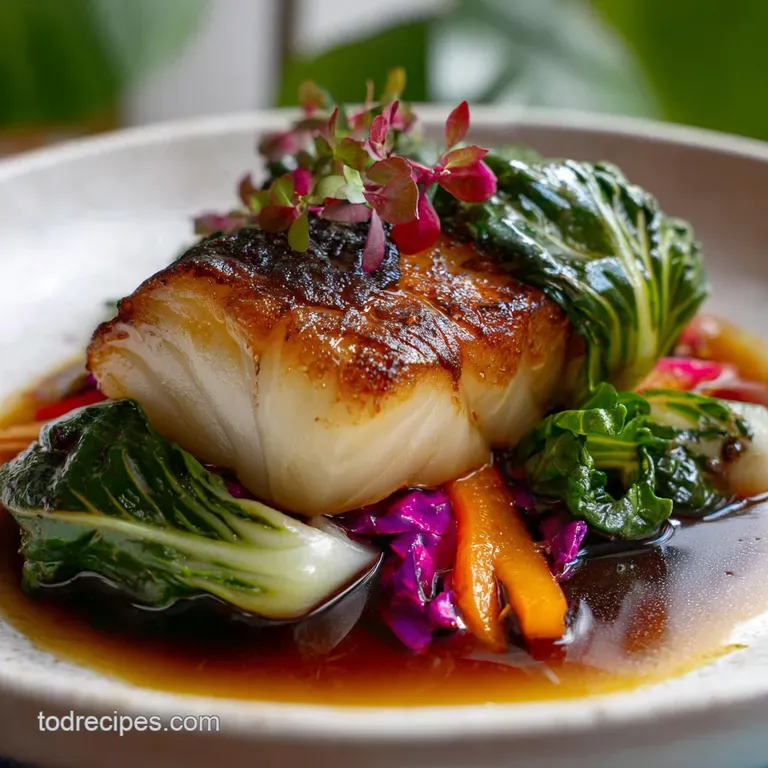
Phase 1: Creating the Marinade Base
- Boil the 60ml sake and 60ml mirin in a small saucepan over high heat for 20 seconds to evaporate the alcohol. Note: This prevents the fish from tasting "boozy" and helps the flavors meld.
- Turn the heat to low and whisk in the 230g shiro miso until completely smooth.
- Add the 150g granulated sugar and whisk constantly until the crystals dissolve and the mixture glows.
- Remove from heat and let the marinade cool completely to room temperature.
Phase 2: The Marination Process
- Pat the 4 black cod fillets completely dry with paper towels and sprinkle with the 0.5 tsp sea salt.
- Submerge the fish in the cooled miso mixture in a non reactive container, ensuring every inch is coated.
- Cover tightly and refrigerate for 48 to 72 hours until the flesh feels firm to the touch.
Phase 3: The over High heat Finish
- Preheat your broiler to high and move the oven rack to the top position.
- Wipe off the excess marinade with your fingers, leaving just a thin coating on the fish.
- Place fish on a parchment lined tray and broil for 10 to 12 mins until the surface is charred and the edges shatter.
Fixing Common Finish Problems
1. The Surface is Burning Too Fast
This usually happens if the sugar content in your miso is high or if the rack is too close to the element. The glaze should char, but if it smells like woodsmoke, it’s going too far.
| Problem | Root Cause | Solution |
|---|---|---|
| Bitter crust | Excess marinade left on | Gently wipe the fish more thoroughly before cooking. |
| Soggy bottom | Moisture buildup | Use a wire rack over the baking sheet to allow air circulation. |
| Raw center | Fillet is too thick | Move the tray to a lower rack and finish at 180°C. |
2. The Fish is Watery
If your fish is releasing a lot of liquid, it likely wasn't cured long enough or it was previously frozen and not drained well.
- ✓ Always pat the fish bone dry before it ever touches the marinade.
- ✓ Stick to the full 72 hour cure to allow the salt to pull out excess moisture.
- ✓ Avoid "low sodium" miso for this recipe; the salt is a functional curing agent.
- ✓ Let the fish sit at room temperature for 15 minutes before broiling to ensure even cooking.
Simple Flavor Profile Variations
If you want a bit of a kick, whisking a teaspoon of sambal oelek or sriracha into the marinade base adds a hearty heat that balances the sugar. I’ve also experimented with a "Citrus Twist" by adding the zest of one lime to the cooled miso mixture.
The acid helps brighten the dish, making it feel slightly less heavy without losing that signature copycat vibe.
For a "Steakhouse Style" version, you can actually use this same marinade on a thick cut pork chop. The sugar and miso cure the meat in a similar way, resulting in a chop that is incredibly juicy and has a mahogany crust that puts standard pan searing to shame.
Storage and Repurposing Ideas
Keep any leftover cooked cod in an airtight container in the fridge for up to 2 days. To reheat, don't use the microwave it will turn the fish rubbery. Instead, place it in a 150°C oven for 8 minutes until the oils begin to sizzle again.
Zero Waste Tip: Don't throw away the leftover marinade! Even though it touched raw fish, you can bring it to a boil in a saucepan for 2 minutes to kill any bacteria, then use it as a glaze for roasted eggplant or carrots. It adds a massive umami punch to boring vegetables.
Sides That Balance Umami
Since this dish is so rich and buttery, you need sides that offer high contrast. I usually go with a simple bowl of steamed jasmine rice to soak up any stray glaze and some quick pickled cucumbers.
The acidity of the vinegar in the cucumbers acts as a palate cleanser, making every bite of the velvety cod feel like the first one.
Another great option is charred broccolini with a squeeze of lemon. The slight bitterness of the greens cuts right through the sugar in the miso, keeping the meal from feeling overly sweet. If you’re feeling extra, a small side of ginger infused dashi broth rounds out the "copycat" experience perfectly.
Adjusting Yield and Portions
If you are cooking for a crowd and need to double the recipe, only increase the salt and sugar by 1.5x. Using the full 2x amount can make the marinade overly syrupy and difficult to wipe off.
For smaller portions, you can easily halve the marinade ingredients, but I recommend making the full batch of miso paste it keeps in the fridge for weeks and works on chicken, tofu, or even as a base for a hearty salad dressing.
When scaling up the cooking process, work in batches. Overcrowding the broiler tray will lower the temperature and steam the fish instead of charring it. You want at least 5 cm of space between each fillet to ensure the heat can circulate and create those crispy, shattered edges we’re looking for.
Busting Traditional Kitchen Lore
Many people think you need a professional grade broiler or a blowtorch to get that "Nobu" look. That's a myth. Your standard home oven broiler is more than capable as long as you let it preheat for at least 10 minutes.
The real "secret" is the sugar to miso ratio, which lowers the burning point of the glaze just enough to char while the fish remains moist.
Another common misconception is that "fresh is always better." In the case of black cod, high-quality flash frozen fillets are often superior because the freezing process slightly breaks down the muscle fibers, allowing the marinade to penetrate even deeper during the three day cure.
Just ensure they are fully thawed and patted dry before you start.
Recipe FAQs
How long is the required marination time for the black cod?
Refrigerate for 48 to 72 hours. The full 72-hour cure is necessary to achieve the dense, velvety texture characteristic of the dish.
Can I substitute Shiro Miso for a different type of miso paste?
Yes, yellow miso is an acceptable substitute. Avoid dark red miso, as its strong, pungent flavor will overpower the delicate fish.
Is it true that flash frozen black cod can yield better results than fresh?
No, this is not a myth regarding this specific recipe. Flash freezing slightly breaks down the fibers, allowing the osmotic cure to penetrate the fish more effectively.
How should I prepare the sake and mirin before mixing them into the marinade?
Boil the sake and mirin together over high heat for 20 seconds. This step evaporates the raw alcohol content, ensuring the final flavor is concentrated and clean.
What is the target internal temperature for the black cod when finished?
Aim for 52°C to 55°C depending on thickness. This temperature range ensures the collagen breaks down fully without drying out the high fat content of the sablefish.
How do I prevent the miso glaze from burning to a bitter black during broiling?
Wipe off the excess marinade, leaving only a thin film. Too much sugar left on the surface will burn before the thick fillet is cooked through.
What is the best way to reheat leftover cooked black cod?
Place it in a 150°C oven for about 8 minutes. Avoid the microwave, as it will cause the oily flesh to become tough and rubbery.
Nobu Black Cod Copycat
Ingredients:
Instructions:
Nutrition Facts:
| Calories | 488 calories |
|---|---|
| Protein | 27g |
| Fat | 35g |
| Carbs | 12g |
| Fiber | 1g |
| Sugar | 11g |
| Sodium | 485mg |
