Chicken Noodle Soup: Silky and Hearty
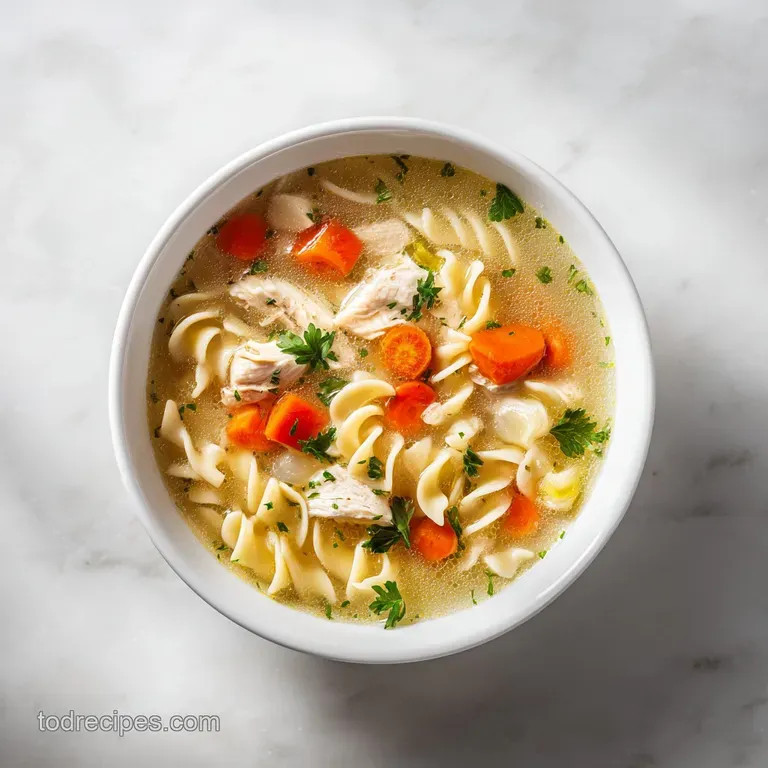
- Time:15 minutes prep + 75 minutes cook = 90 minutes total
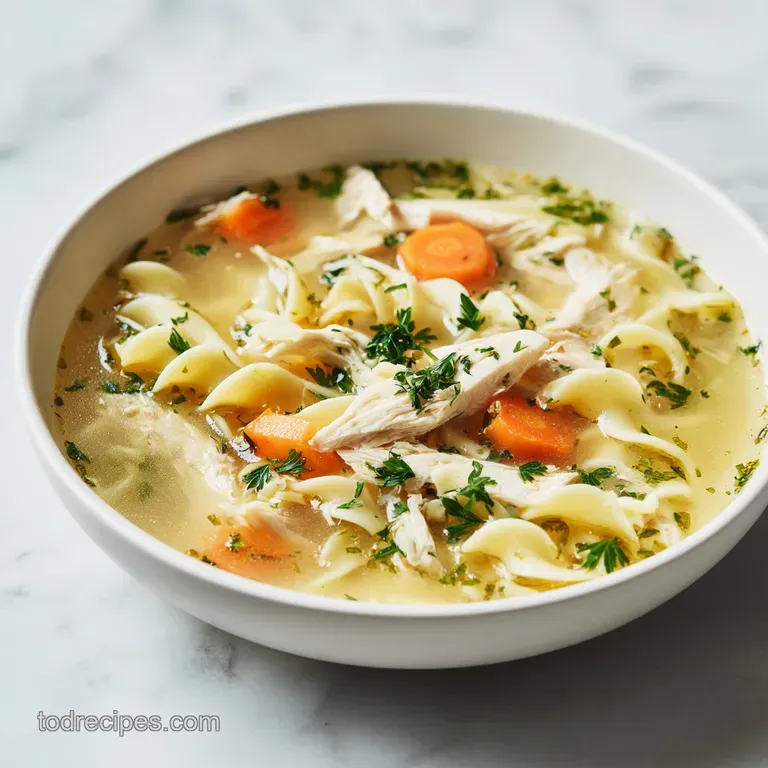
- Flavor/Texture Hook: Savory, silky broth with tender shredded chicken and velvety egg noodles
- Perfect for: Cold Sunday afternoons, fighting off a winter chill, or feeding a crowd of eight
- The Secret to Making This Chicken Noodle Soup
- Planning Your 90 Minute Comfort Meal Timeline
- Essential Elements for a Rich and Savory Broth
- The Tools You Need for Better Soup
- Step by Step Guide to a Better Pot
- Common Soup Mistakes and How to Avoid Them
- Creative Ways to Change Up the Flavors
- Proper Storage for Your Leftover Comfort Food
- Side Dishes That Pair With Your Soup
- Very High in Sodium
- Recipe FAQs
- 📝 Recipe Card
The Secret to Making This Chicken Noodle Soup
Imagine the sound of cold chicken skin hitting hot butter that sharp, rhythmic crackle that promises a golden crust. That’s where this journey starts. I remember the first time I made this for a friend who was feeling under the weather.
I used to think the "secret" was just more bouillon or fancy herbs, but I was wrong. The real magic happened when I stopped using boneless skinless breasts and switched to bone in, skin on thighs. The difference was night and day; the broth went from thin and watery to rich and almost buttery.
When you sear those thighs, you’re not just cooking meat. You are rendering liquid gold. That fat mingles with the butter and coats the carrots, onions, and celery, creating a flavor base that honestly smells better than any candle you could buy.
As the soup simmers for 75 minutes, the bones release collagen, giving the liquid a "body" that feels substantial on the spoon. It’s not just a meal; it’s a restorative experience that fills the whole house with the aroma of thyme and rosemary.
We've all had that canned stuff that tastes like salt and cardboard. This is the opposite. It’s vibrant, it’s hearty, and it has a brightness at the finish thanks to a splash of fresh lemon juice. That tiny hit of acid cuts through the richness of the chicken fat and brings all the herbal notes forward.
Trust me, once you see that golden brown skin and smell the garlic hitting the pan, you’ll never go back to the quick fix versions again.
Planning Your 90 Minute Comfort Meal Timeline
Making a soup like this is all about the flow. You aren't just dumping things in a pot; you're building layers of flavor. If you try to rush the simmer, the chicken won't be tender enough to fall off the bone. If you skip the sear, the broth will look pale and taste flat.
I’ve learned the hard way that the clock is your best friend when it comes to extraction.
To make this manageable for a weeknight or a busy weekend, I like to think of it in three distinct phases. First, the over high heat beginning where we deal with the chicken and vegetables. Second, the long, quiet simmer where the heavy lifting happens.
Finally, the quick finish where we handle the noodles and fresh herbs.
| Method | Total Time | Flavor Depth | Texture Profile |
|---|---|---|---|
| Fast (Rotisserie) | 30 minutes | Mild/Simple | Lean and clear broth |
| Classic (This Recipe) | 90 minutes | Deep/Complex | Silky, rich, and full bodied |
| Slow Cooker | 6 hours | Mellow | Very soft vegetables |
I personally stick to the stovetop classic method because it gives you control over the sear. That 5–7 minutes of browning the chicken skin is the most important part of the whole process.
It transforms the fat and creates those little brown bits on the bottom of the pot that we call "fond." Those bits are basically concentrated flavor gems that dissolve into the stock later.
Extracting Maximum Bone Flavor
The bones are the unsung heroes here. By simmering 2.5 lbs of bone in chicken for 30-40 minutes, we are essentially making a "double broth." We start with 8 cups of stock and reinforce it with the essence of the thighs.
The Aromatic Softening Phase
Don't rush the onions and carrots. We give them 6–8 minutes in the rendered chicken fat. This isn't just to cook them; it’s to sweat out their natural sugars. When the onions turn translucent, you know they've released their sweetness into the base.
The Final Noodle Boil
We wait until the very end to add those 8 oz of wide egg noodles. Cooking them for exactly 6-8 minutes ensures they stay "al dente." No one likes a noodle that disintegrates when you touch it with a spoon.
Essential Elements for a Rich and Savory Broth
Why does this specific combination of ingredients produce such a better result than others? It comes down to how we treat the fats and the fibers. This isn't a "diet" soup where we're afraid of a little butter; we use 2 tbsp of unsalted butter to kickstart the sauté because butter carries the flavor of the garlic and herbs better than plain oil ever could.
Fat Rendering: The skin on the chicken thighs releases schmaltz, which emulsifies into the chicken stock, creating a velvety mouthfeel.
Collagen Release: Simmering bone in meat breaks down connective tissue, adding a slight viscosity to the broth that coats the back of a spoon.
Aromatic Foundations: The "mirepoix" (onion, carrot, celery) provides a balanced profile of sweet, earthy, and savory notes that form the soup's backbone.
Acid Balance: Adding 1 tbsp of lemon juice at the end breaks up the heavy fats, making the overall flavor profile taste "cleaner."
| Component | Role in Pot | Pro Secret |
|---|---|---|
| Chicken Thighs | Main protein & fat source | Pat them bone dry before searing for maximum browning. |
| Wide Egg Noodles | Starch & heartiness | Cook them in the broth to let them absorb the chicken flavor. |
| Fresh Rosemary/Thyme | Woodsy aromatic depth | Tie them with kitchen twine for easy removal after the simmer. |
| Yellow Onion | Sweetness & base | Dice them small so they almost melt into the finished broth. |
Many people ask if they can just use water instead of stock. Technically, yes, but why would you? Using 8 cups of chicken stock as your liquid base means you're starting at a level ten on the flavor scale instead of zero. If you're looking for a different way to use these aromatics, you might enjoy my Cheesy Chicken Casserole which uses a similar flavor base but takes it in a creamy direction.
The Tools You Need for Better Soup
You don't need a kitchen full of gadgets, but a few specific pieces of equipment make this 90 minute process much smoother. The most critical item is a heavy bottomed pot. A 6 quart Dutch oven is my go to because it holds heat consistently.
When you're searing 2.5 lbs of chicken, a thin pot will lose its temperature the second the meat hits the metal, leading to steaming instead of browning.
You'll also want a reliable pair of tongs for flipping those thighs. Using a fork can pierce the skin and let juices escape too early. A sharp chef's knife is non negotiable for getting those 1.5 cups of carrots and celery into uniform 1/4 inch pieces.
If the vegetable chunks are different sizes, some will turn to mush while others stay crunchy.
Finally,, have a large plate or cutting board ready for the shredding phase. Once the chicken is tender after its 30-40 minutes simmer, you’ll need space to work.
I prefer using two forks to pull the meat apart into bite sized shreds, discarding the skin and bones once they've done their job of flavoring the liquid.
step-by-step Guide to a Better Pot
Prep the chicken. Pat the 2.5 lbs of bone in, skin on chicken thighs completely dry with paper towels. Note: Moisture on the skin is the enemy of a good sear; it creates steam instead of a crust.
Sear for gold. Heat the 2 tbsp unsalted butter in your Dutch oven over medium high heat. Place chicken skin side down and cook for 5–7 minutes until the skin is golden brown and releases easily from the pan.
Rest the meat. Remove the chicken from the pot and set it aside on a plate. Don't worry that it's not cooked through yet; it will finish later.
Sauté the base. Throw the 2 cups of onion, 1.5 cups of carrots, and 1.5 cups of celery into the remaining fat. Cook for 6–8 minutes until the onions look translucent and soft.
Fragrant additions. Stir in the 4 minced garlic cloves, 1 tsp kosher salt, and 1/2 tsp black pepper. Cook for only 1 minute until you can smell the garlic clearly.
The big simmer. Return the chicken to the pot. Pour in the 8 cups of chicken stock and add the bay leaves, thyme, and rosemary. Bring everything to a boil, then drop the heat to low.
Cover and simmer for 30-40 minutes until the meat is tender and starting to pull away from the bone.
Shred the protein. Pull the chicken out again. Use two forks to shred the meat into bite sized pieces, then throw away the skin and bones.
Noodle time. Put the shredded meat back in the pot. Add the 8 oz of wide egg noodles to the bubbling broth. Boil for 6-8 minutes until the noodles are tender but still have a slight bite.
The bright finish. Turn off the heat. Stir in the 1/4 cup of fresh parsley and 1 tbsp of lemon juice. Taste the broth now—add a pinch more salt if the flavors don't "pop."
Final rest. Let the soup sit for 2 minutes before serving. This allows the temperature to even out and the noodles to finish absorbing the seasoned broth.
Common Soup Mistakes and How to Avoid Them
Even with a straightforward recipe, things can go sideways. The most common heartbreak is mushy noodles. This happens when the soup is reheated too many times or the noodles are overcooked in the initial boil.
If you know you'll have leftovers, consider boiling the noodles separately and adding them to individual bowls.
Another issue is a "flat" tasting broth. Usually, this means it needs more salt or acid. People are often afraid of salt, but in 8 cups of liquid, that 1 tsp is just the starting point. The 1 tbsp of lemon juice is also a non negotiable for me. It acts like a volume knob for the other flavors.
Fixing cloudy broth
A cloudy broth usually comes from boiling the soup too hard. When the liquid bubbles violently, it forces the fats and proteins to mix into the water instead of staying separate. Keep the pot at a gentle "smile" just a few bubbles breaking the surface.
Handling over salted liquid
If you accidentally went too heavy on the salt, don't panic. You can add a bit more water or unsalted stock to dilute it. Some people suggest adding a potato to absorb salt, but it’s more effective to simply increase the volume of the liquid.
Solving thin consistency
If the soup feels too thin for your liking, you can mash a few of the cooked carrots against the side of the pot. This releases a bit of vegetable starch and thickness into the liquid without changing the flavor too much.
| Problem | Root Cause | Solution |
|---|---|---|
| Tough Chicken | Simmer time was too short | Simmer for at least 30-40 minutes until it shreds easily. |
| Greasy Surface | Too much rendered fat | Use a large spoon to skim the golden oil off the top. |
| Bitter Aftertaste | Garlic was burned | Add garlic only at the very end of the sauté for 60 seconds. |
Common Mistakes Checklist
- ✓ Never skip the sear; that brown crust on the chicken is 50% of your flavor.
- ✓ Don't add the noodles too early or they will turn into a thick paste.
- ✓ Use fresh herbs (thyme/rosemary) instead of dried if possible for a cleaner taste.
- ✓ Keep the heat at a simmer, never a rolling boil, to keep the broth clear.
- ✓ Always pat the chicken dry; wet chicken will never brown properly.
Creative Ways to Change Up the Flavors
Once you have the classic version down, you can start playing with the profile. This recipe is a fantastic "mother recipe" that adapts to whatever is in your pantry. I’ve tried adding a dash of ginger and turmeric for an "immunity boost" version that feels incredibly healing during flu season.
The turmeric also gives the broth a stunning bright yellow hue.
For a heartier, more rustic feel, you can swap the wide egg noodles for sourdough dumplings. Just drop spoonfuls of dough into the simmering broth in the last 15 minutes of cooking. If you're looking for something similar in the "flaky crust" world, my Chicken Potpie uses almost identical ingredients but wraps them in a pastry shell instead of a soup pot.
If you want a low carb alternative, replace the 8 oz of noodles with 2 cups of chopped kale or spinach. Add the greens in the last 2 minutes just until they wilt. The broth is so rich from the bone in thighs that you won't even miss the pasta.
You could also use zoodles (zucchini noodles), but add them to the bowl directly and pour the hot soup over them so they don't get soggy.
Proper Storage for Your Leftover Comfort Food
This soup is actually better the next day. As it sits in the fridge, the aromatics continue to infuse into the liquid. However, the noodles will continue to drink up the broth. Don't be surprised if you open the container tomorrow and find "Chicken Noodle Pasta" instead of soup.
To fix this, just add a splash of water or stock when reheating.
Fridge Storage: Store in an airtight container for up to 4 days. Make sure the soup has cooled to room temperature before sealing the lid to prevent condensation from making the vegetables mushy.
Freezer Storage: This soup freezes beautifully for up to 3 months, but only if you freeze it without the noodles. Cooked noodles turn to mush when thawed. If you’re meal prepping, freeze the base and add fresh noodles when you're ready to eat.
Zero Waste Tip: Don't throw away those herb stems! If you have leftover parsley stems or the woody bits of the rosemary, toss them into a freezer bag. Next time you make stock from scratch, those scraps will add incredible depth.
Also, the chicken bones we discarded in step 7 can actually be boiled one more time with water and a splash of vinegar to make a very light bone broth.
Side Dishes That Pair With Your Soup
While a bowl of this is a complete meal on its own, a few sides can make it feel like a feast. A crusty baguette or sourdough loaf is essential for mopping up every last drop of that golden broth. I like to rub a cut clove of garlic over the warm bread for an extra kick.
If you want something fresh, a simple green salad with a sharp lemon vinaigrette balances the richness of the chicken fat. The acidity in the salad dressing echoes the lemon juice we stirred into the soup, creating a very cohesive meal.
For a true "steakhouse" style side, you could even serve this alongside a small wedge salad. But honestly, most nights, a few saltine crackers or a piece of buttered toast is all you really need to find total peace of mind.
Debunking Soup Myths
"Searing meat seals in the juices." This is a classic myth. Searing is actually for the Maillard reaction creating new flavor compounds through heat. The chicken stays juicy because we simmer it gently, not because of the "seal."
"You must wash your chicken before cooking." Please don't do this. Washing chicken in the sink just splashes bacteria around your kitchen. The heat of the 6 quart Dutch oven will kill any bacteria much more effectively than tap water ever could.
"More noodles make a better soup." Actually, too many noodles will soak up all your broth and release too much starch, making the soup cloudy and thick. Stick to the 8 oz measurement for the best balance of liquid to solid.

Very High in Sodium
815 mg 815 mg of sodium per serving (35% 35% of daily value)
The American Heart Association recommends limiting sodium intake to no more than 2,300mg per day, ideally striving for less than 1,500mg.
Tips to Reduce Sodium
-
Choose Low-Sodium Broth-30%
Replace the 8 cups of regular chicken stock with low-sodium chicken broth. This is the biggest sodium contributor in your recipe and a simple swap can make a significant difference.
-
Halve the Kosher Salt-25%
Reduce the 1 tsp of kosher salt to 1/2 tsp. You can always add more salt at the table if needed, but starting with less significantly cuts sodium.
-
Boost Flavor with Herbs & Spices
While not directly reducing sodium, generously use fresh parsley, thyme, rosemary, and pepper. You can also explore other no-sodium seasonings like garlic powder, onion powder, or paprika to enhance flavor without adding salt.
-
Enhance with Lemon Juice-5%
Ensure you're using the full 1 tbsp of fresh lemon juice. The brightness from the lemon can help to accentuate other flavors, making the dish taste more vibrant and less reliant on salt.
Recipe FAQs
What is the secret to great chicken noodle soup?
The secret is achieving a deep sear on the chicken thighs before simmering. Patting the skin dry with paper towels allows the skin to brown properly in the butter, which builds a complex foundation of flavor in the broth that boiling alone cannot provide.
What ingredients go in chicken noodle soup?
This recipe uses 2.5 lbs of bone-in, skin-on chicken thighs, 8 cups of chicken stock, and a mirepoix of onion, carrots, and celery. It is rounded out with garlic, fresh herbs like thyme and rosemary, wide egg noodles, fresh parsley, and a splash of lemon juice for brightness.
What are common mistakes when making chicken soup?
Adding damp chicken to the Dutch oven is the biggest error. Excess moisture creates steam instead of a crispy crust; if you enjoyed the flavor intensity gained from this searing technique, you can apply the same browning principle to our balsamic glazed chicken.
Is chicken soup good for diabetics?
Chicken soup can be part of a diabetic friendly diet, provided you monitor the portion size of the egg noodles. The high protein content from the chicken thighs and the inclusion of fibrous vegetables like carrots and celery help balance the overall glycemic impact of the meal.
How to ensure the chicken is tender?
Simmer the chicken in the stock for 30-40 minutes until it shreds easily with a fork. This slow, controlled simmer allows the connective tissue in the thighs to break down, ensuring the meat remains moist rather than becoming tough or rubbery.
Is it true I must boil the noodles in the soup?
Yes, cooking the egg noodles directly in the broth for 6-8 minutes is the standard method for this recipe. This allows the noodles to absorb the savory chicken stock, thickening the soup slightly and ensuring all flavors meld perfectly in the pot.
How to fix the soup if it tastes bland?
Stir in the fresh lemon juice and adjust the salt and pepper levels at the end. Often, a soup lacks "pop" simply because it needs a final hit of acidity to cut through the richness of the chicken fat and pull all the flavors together.
Homemade Chicken Noodle Soup
Ingredients:
Instructions:
Nutrition Facts:
| Calories | 453 kcal |
|---|---|
| Protein | 34g |
| Fat | 17.2g |
| Carbs | 40g |
| Fiber | 3g |
| Sugar | 3.6g |
| Sodium | 815mg |
