One Pot Creamy Garlic Pasta: Velvety Finish
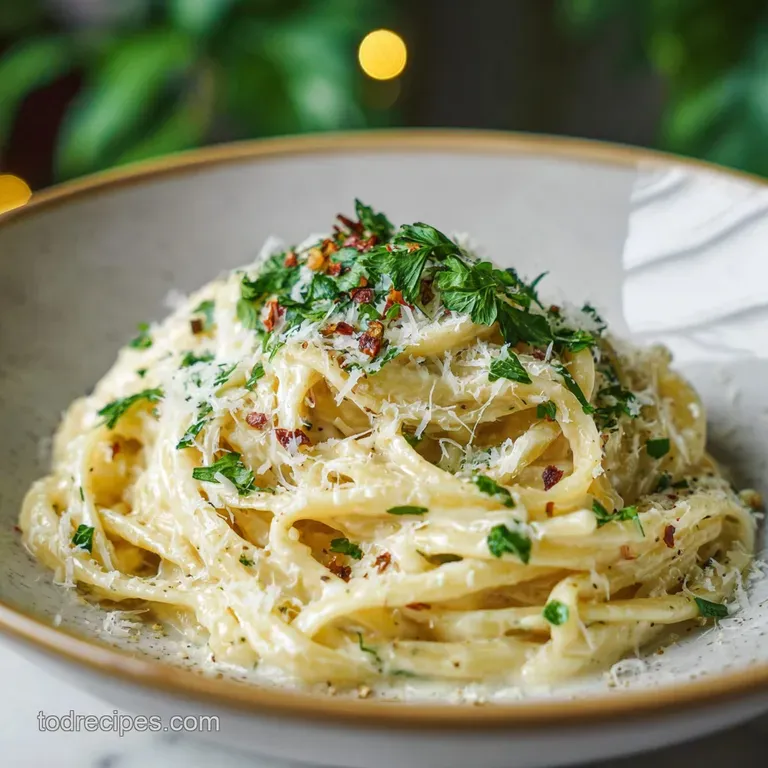
- Time: Active 5 minutes, Passive 15 minutes, Total 20 minutes
- Flavor/Texture Hook: Velvety, garlic forward cream sauce with a bright citrus finish.
- Perfect for: High speed weeknight dinners when you want steakhouse quality with minimal cleanup.
- Creating the Ultimate One Pot Creamy Garlic Pasta
- The Science Behind Achieving a Silky Sauce Consistency
- Vital Statistics and Essential Recipe Performance Metrics
- Sourcing the Highest Quality Ingredients for Maximum Flavor
- Minimal Tools Required for This Streamlined Pasta Dinner
- Detailed Steps for Executing the One Pot Method
- Solving Common Sauce Issues and Avoiding Flavor Mistakes
- Smart Flavor Variations and Reliable Ingredient Substitutions
- Keeping Leftovers Fresh with Reliable Storage Methods
- Plating Strategies for a Restaurant Style Presentation
- High in Sodium
- Recipe FAQs
- 📝 Recipe Card
Creating the Ultimate One Pot Creamy Garlic Pasta
The second those 6 cloves of minced garlic hit the 2 tbsp of melting unsalted butter, my kitchen transforms. There is a specific, sharp sizzle that happens when the garlic begins to turn golden, releasing an aroma that practically drags everyone in the house toward the stove.
It is a scent that promises comfort, a steakhouse copycat vibe that usually requires three different pans and a lot of patience, but we’re cutting through all that noise tonight.
I remember the first time I tried making this one pot creamy garlic pasta. It was a Tuesday night, I was staring at a sink full of dishes, and I absolutely refused to boil a massive pot of water just to drain it five minutes later.
I threw the dry noodles directly into the broth and cream, convinced it would turn into a gummy disaster. Instead, I discovered that the pasta absorbs the liquid like a sponge, leaving behind a velvety coating that stays clingy and rich rather than watery.
Trust me, once you see how the heavy cream and chicken broth emulsify with the pasta starch, you will never go back to the traditional "boil and drain" method. We are talking about a meal that feels expensive but costs pennies per serving.
It is hearty, filling, and carries that punchy garlic kick that we all crave after a long shift. Let's get into the mechanics of making this work every single time without the noodles sticking to the bottom.
The Science Behind Achieving a Silky Sauce Consistency
The Physics of the One Pot Emulsion: When you cook pasta in a limited amount of liquid, the starch granules swell and burst, releasing amylose into the sauce which acts as a natural thickening agent.
This creates a stable suspension between the fat in the heavy cream and the water in the broth, resulting in a sauce that coats the linguine far better than any jarred alternative.
- Starch Retention: Unlike boiling in gallons of water, keeping the starch in the pot ensures the sauce doesn't slide off the noodle.
- Fat Saturation: Introducing the heavy cream early allows the fat to coat the pasta strands, preventing them from clumping together during the simmer.
- Aromatic Infusion: The 6 cloves of garlic are simmered directly with the pasta, forcing the oils into the wheat itself for deeper flavor.
- Salt Equilibrium: Cooking in broth instead of plain water seasons the pasta from the inside out, rather than just on the surface.
| Cook Method | Time | Texture | Best For |
|---|---|---|---|
| Stovetop (Classic) | 15 minutes | Velvety and glossy | Immediate serving |
| Oven (Baked) | 35 minutes | Crispy top edges | Large family gatherings |
| Slow Cooker | 2 hours | Ultra soft noodles | Meal prepping |
This stovetop method is my absolute favorite because it gives you total control over the evaporation. You can see the sauce thickening in real time, allowing you to pull it off the heat the exact second it reaches that "glossy" stage. This hearty meal reminds me of my favorite Olive Garden Pasta recipe which also uses a single pot for maximum ease and big, bold flavor.
Vital Statistics and Essential Recipe Performance Metrics
Component Analysis and Pro Secrets
| Ingredient | Science Role | Pro Secret |
|---|---|---|
| 1 lb Fettuccine | Starch Source | Use a high protein pasta (12-14g) for the best chew. |
| 1 cup Heavy Cream | Emulsifier | Never use fat free; the fat prevents the sauce from breaking. |
| 1 cup Parmesan | Binder | Grate it fresh so it melts without becoming grainy. |
| 1 tsp Lemon Zest | Acid Balance | Add at the very end to prevent the cream from curdling. |
Wait, before you start dumping ingredients, let’s talk about the garlic. I divide mine. I sauté half to get that nutty, toasted flavor and add the other half mid way through the simmer. This gives you two layers of garlic: one that is deep and savory, and one that is sharp and fresh.
It’s a trick I learned from a steakhouse chef, and it changes everything.
Sourcing the Highest Quality Ingredients for Maximum Flavor
- 2 tbsp Unsalted Butter: Provides the fat base. Why this? Salted butter can make the final reduction too salty.
- Substitute: 2 tbsp Extra Virgin Olive Oil for a lighter, fruitier flavor profile.
- 6 cloves Garlic: The star of the show. Why this? Freshly minced cloves provide a much better "bite" than the pre jarred stuff.
- Substitute: 2 tbsp Garlic Paste if you are in a massive rush.
- 1 tsp Kosher Salt: Enhances all other flavors.
- Substitute: 0.5 tsp Fine Sea Salt (it is denser, so use less).
- 0.5 tsp Cracked Black Pepper: Adds a subtle heat.
- Substitute: 0.5 tsp White Pepper for a more hidden, earthy warmth.
- 0.5 tsp Red Pepper Flakes: Provides the "shatter" of heat.
- Substitute: 0.25 tsp Cayenne Pepper if you want heat without the flakes.
- 1 lb Fettuccine: The vessel for the sauce. Why this? Wide noodles hold the heavy garlic cream better than thin spaghetti.
- Substitute: 1 lb Linguine; it has a similar surface area and cook time.
- 3 cups Chicken Broth: The primary cooking liquid. Why this? Adds more depth than plain water.
- Substitute: 3 cups Vegetable Broth for a meat free version.
- 1 cup Heavy Cream: For the velvety texture.
- Substitute: 1 cup Whole Milk mixed with 1 tbsp cornstarch for a lower fat option.
- 1 cup Freshly grated Parmesan: For the salty finish.
- Substitute: 1 cup Pecorino Romano for a sharper, saltier tang.
- 2 tbsp Fresh Parsley: For color and freshness.
- Substitute: 1 tbsp Dried Parsley (use less as it is more concentrated).
- 1 tsp Lemon Zest: Cuts through the richness.
- Substitute: 1 tsp Lemon Juice, though the zest provides more aroma without the acidity.
Chef's Note: Freeze your block of Parmesan for 10 minutes before grating. It makes the cheese firmer and prevents it from clumping into a ball while you're working.
Minimal Tools Required for This Streamlined Pasta Dinner
You really only need one major piece of equipment: a deep, 12 inch skillet or a Dutch oven. The key is surface area. If the pot is too narrow, the pasta will clump together and cook unevenly.
A wide skillet allows the liquid to evaporate at the correct rate, ensuring the sauce thickens exactly as the noodles hit al dente.
You’ll also want a sturdy pair of tongs. While a spoon works, tongs allow you to lift and separate the fettuccine strands during the simmer. This prevents those annoying "noodle nests" where the middle stays raw while the outside gets mushy. If you want a spicy kick, you might enjoy my Mardi Gras Pasta recipe which hits some of the same creamy notes but requires a similar one pan approach.
Detailed Steps for Executing the One Pot Method
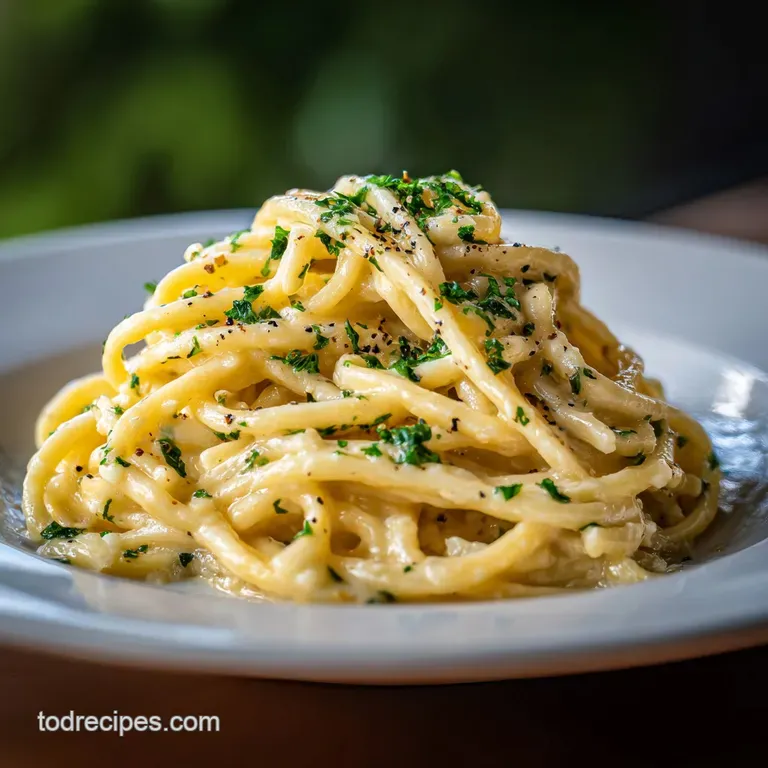
- Melt the butter. Place 2 tbsp butter in the skillet over medium heat until it begins to foam and sizzle.
- Sauté the aromatics. Add half of the 6 cloves of minced garlic and 0.5 tsp red pepper flakes. Note: This "blooms" the spices in the fat.
- Season the base. Stir in 1 tsp salt and 0.5 tsp black pepper until the garlic is fragrant but not brown.
- Combine liquids. Pour in 3 cups chicken broth and 1 cup heavy cream. Use a wooden spoon to scrape any bits off the bottom.
- Add the pasta. Place 1 lb fettuccine into the liquid. It might not be fully submerged at first; just wait 30 seconds and nudge it down.
- Simmer and stir. Bring to a gentle boil, then reduce heat to medium low. Cook for 12-15 minutes, stirring frequently to prevent sticking.
- Monitor evaporation. As the liquid reduces, it will turn into a thick, bubbling glaze. Check the pasta for a firm "al dente" bite.
- Incorporate the finish. Remove from heat. Stir in the remaining garlic and 1 cup freshly grated Parmesan cheese.
- Emulsify the sauce. Toss vigorously until the cheese is fully melted and the sauce looks glossy.
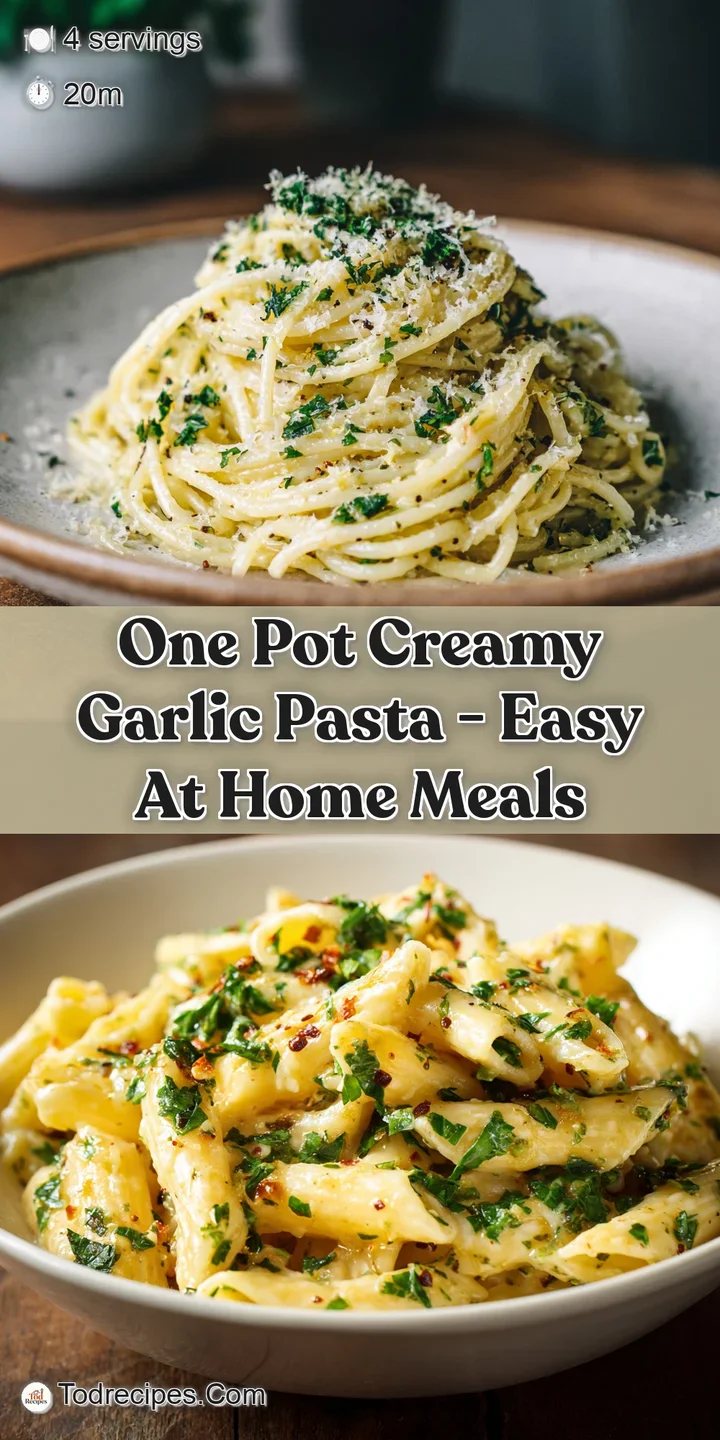
- Final flourish. Fold in 2 tbsp fresh parsley and 1 tsp lemon zest. Serve immediately while the sauce is at its peak.
Solving Common Sauce Issues and Avoiding Flavor Mistakes
Fixing Gummy Noodle Texture
If your pasta feels sticky or "gummy," it is usually because the heat was too low, causing the starch to turn into a paste rather than a sauce. Alternatively, you might not have stirred enough in the first 5 minutes.
To fix this, add a tiny splash of hot broth and turn the heat up slightly to thin the starch concentration.
Rescuing a Broken Sauce
A "broken" sauce looks oily or curdled. This happens if the pan is too hot when you add the cheese, or if you used pre shredded cheese coated in potato starch. To rescue it, remove the pan from the heat entirely and whisk in a tablespoon of cold heavy cream. The cold fat helps re emulsify the sauce.
| Problem | Root Cause | Solution |
|---|---|---|
| Liquid is gone but pasta is hard | Heat too high; liquid evaporated too fast | Add 0.5 cup broth and cover with a lid for 2 mins. |
| Sauce is too thin | Too much liquid or not enough cheese | Simmer for 2 more minutes or add extra Parmesan. |
| Bland flavor | Under seasoned broth | Add a pinch of salt and an extra squeeze of lemon juice. |
Common Mistakes Checklist
- ✓ Never use "cold" cream; let it sit on the counter for 10 minutes to prevent curdling.
- ✓ Don't walk away! One pot pasta requires frequent stirring to keep the starch moving.
- ✓ Avoid pre shredded cheese; the anti clumping agents will make your sauce grainy.
- ✓ Don't overcook the garlic in the first step; if it turns brown, it will taste bitter.
- ✓ Use a wide skillet (12 inches) to ensure even heat distribution across the long noodles.
Smart Flavor Variations and Reliable Ingredient Substitutions
Adding Quick Proteins
While this one pot creamy garlic pasta is a star on its own, it’s a perfect base for leftovers. I often toss in some rotisserie chicken or sautéed shrimp at the very end.
If you’re feeling fancy, a handful of frozen peas added in the last 3 minutes of simmering adds a "shatter" of sweetness and a pop of green that looks gorgeous against the white sauce.
Making it Lighter
If the heavy cream feels like too much for a Tuesday night, you can use a mix of whole milk and pasta water. Just be aware that the sauce won't be as stable. You'll need to serve it immediately, as it tends to thin out faster than the heavy cream version. For a more vegetable forward meal, you can also check out my Garlic Parmesan Chicken recipe which uses similar flavors but includes hearty potatoes and greens.
If you want X, do Y: If you want a Smoky Profile, swap the red pepper flakes for smoked paprika. If you want a Vegan Version, use coconut milk (full fat) and nutritional yeast instead of cheese.
If you want a Crunchy Finish, top with toasted panko breadcrumbs mixed with garlic butter.
Keeping Leftovers Fresh with Reliable Storage Methods
Storage: This pasta keeps in the fridge for up to 3 days in an airtight container. Be warned: the noodles will continue to soak up the sauce as they sit. When you open the container the next day, it might look dry. This is normal!
Reheating: Never microwave this on high heat, or the sauce will break into a puddle of oil. Instead, put the pasta in a small pan with 2 tablespoons of milk or broth. Heat it over low, tossing gently, until the sauce becomes velvety again.
Freezing: I don't recommend freezing this specific recipe. Dairy based sauces often separate and become grainy when thawed and reheated. If you must freeze it, do so without the cheese and lemon, then add those fresh when you reheat the dish.
Zero Waste: If you have leftover sauce but no noodles, use it as a base for a white pizza or drizzle it over steamed broccoli the next night. Don't forget to save your lemon halves! Toss them into a jar of vinegar to make a natural, fresh smelling kitchen cleaner.
Plating Strategies for a Restaurant Style Presentation
To get that professional look, use a carving fork to "twirl" the pasta into a high mound in the center of the bowl. This creates height and keeps the heat trapped inside the noodles.
I like to save a little bit of the fresh parsley and lemon zest to sprinkle on at the very last second it provides a vibrant contrast against the creamy white sauce.
Finish with a final crack of black pepper and a few extra shavings of Parmesan. The way the cheese slowly melts into the hot noodles as you bring the bowl to the table is purely hypnotic.
This isn't just a quick meal; it's a sensory experience that proves you don't need a pantry full of ingredients to make something truly memorable. Grab your fork and let's eat!
High in Sodium
975 mg mg of sodium per serving (42% % of daily value)
American Heart Association recommendation: Limit sodium intake to about 2,300mg per day.
Tips to Reduce Sodium in Your Fettuccine Alfredo
-
Low-Sodium Broth-30%
Switch to a no-salt added chicken broth. This can significantly reduce the sodium content of the dish.
-
Reduce Parmesan-15%
Parmesan cheese is a major sodium contributor. Use only 1/2 cup of Parmesan or substitute with a lower sodium cheese like part skim ricotta.
-
Cut Back Salt-25%
Reduce the added kosher salt by half (0.5 tsp) or eliminate it entirely. Taste the dish before adding any salt and adjust accordingly.
-
Boost Flavor with Lemon-5%
Increase the lemon zest to 2 tsp to enhance the dish's flavor profile and reduce the need for salt.
-
Spice It Up!
Experiment with other herbs and spices like garlic powder, onion powder, or dried oregano to add flavor without sodium.
Recipe FAQs
How to make garlic creamy pasta?
Simmer dry fettuccine directly in the broth and cream mixture. Cook over medium low heat, stirring frequently, until the pasta absorbs the liquid and the starch naturally thickens the sauce to a glaze consistency.
What are the four core ingredients for the creamy garlic sauce base?
Butter, garlic, heavy cream, and chicken broth. The butter and garlic form the aromatic base, while the heavy cream and broth combine with the pasta starch to form the rich, velvety emulsion.
What is the secret to a truly creamy pasta sauce without using flour or cornstarch?
Use the starch released by the cooking pasta. By cooking the noodles directly in the liquid, the starches emulsify with the fat from the cream, creating a stable, thick sauce coating. If you master this thickening technique here, see how the same starch release principle aids texture in our Korean Ground Beef recipe.
Why is it sometimes called "marry me pasta"?
Yes, this rich, luxurious flavor profile is often associated with "Marry Me" dishes. The name implies a meal so decadent and satisfying that one would marry the cook for making it; it shares the flavor ambition of other creamy dishes, like our Marry Me Butter Beans recipe.
Can I substitute regular milk for heavy cream in this one pot recipe?
No, heavy cream is strongly recommended for authenticity. Heavy cream’s high fat content stabilizes the sauce and prevents the dairy from splitting or thinning out once the starch mixes in.
How do I prevent the noodles from sticking to the bottom of the pot?
Stir the pasta vigorously during the first five minutes of simmering. This critical step distributes the starches evenly and scrapes the noodles from the hot base before they can adhere and burn.
Should I add the Parmesan cheese before or after turning off the heat?
Always add the Parmesan cheese after removing the pan from the heat source. Adding cheese while cooking vigorously can cause the proteins to seize up, resulting in a grainy, separated texture instead of a smooth finish.
Creamy Garlic Pasta One Pot
Ingredients:
Instructions:
Nutrition Facts:
| Calories | 768 kcal |
|---|---|
| Protein | 24g |
| Fat | 35g |
| Carbs | 89g |
| Fiber | 3.5g |
| Sugar | 2.5g |
| Sodium | 975mg |
