Chicken Vegetable Skillet: Pan-Seared and Zesty
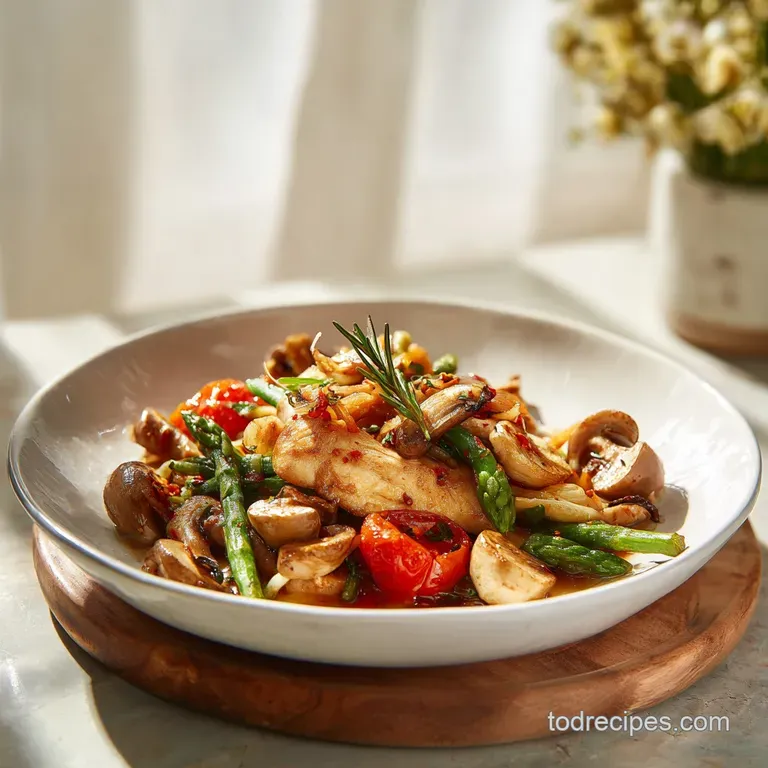
- Time: Active 15 minutes, Passive 15 minutes, Total 30 minutes
- Flavor/Texture Hook: Zesty lemon glaze with crispy edged chicken and snappy broccoli.
- Perfect for: Hectic weeknights when you need a healthy, high protein win.
- The Ultimate Chicken Vegetable Skillet Guide
- Why This Skillet Actually Works
- Component Analysis for Better Flavor
- Gather These Flavor Builders
- Tools for the Perfect Sear
- Executing the Perfect Stir Fry
- Fixing Common Skillet Mistakes
- Easy Recipe Variations
- Storing and Reviving Your Meal
- Finishing Touches and Plating
- Recipe FAQs
- 📝 Recipe Card
The Ultimate Chicken Vegetable Skillet Guide
Picture this: It is a Tuesday night, the sun is dipping low, and your kitchen is filled with that rhythmic thwack thwack thwack of a knife hitting the cutting board. You are tired from work, the kids are asking when dinner is ready for the third time, and you want something that feels like a reward, not a chore.
You reach for your heavy skillet, and the moment the oil hits the hot metal, it begins to shimmer. This is the moment the magic happens.
I remember the first time I really understood how a Chicken Vegetable Skillet was supposed to taste. I used to just throw everything in at once, resulting in a soggy, gray mess that looked more like a sad stew than a vibrant sauté. But then, I watched a line cook at a local bistro work a pan.
He treated the chicken like a steak and the veggies like precious gems, giving each its own time to shine. That changed everything for me. Now, this is the meal I make when I want to feel like I have my life together, even if the laundry pile says otherwise.
This recipe is about more than just tossing things in a pan. It is about the sizzle of the chicken hitting the heat and the way the lemon juice wakes up those browned bits on the bottom of the skillet. We are aiming for textures that pop and flavors that linger.
You are going to get that deeply bronzed crust on the chicken and vegetables that still have a bit of "snap" when you bite into them. It is a hearty, reliable classic that has saved my sanity more times than I can count.
Why This Skillet Actually Works
Most people treat a skillet meal like a dump and stir project, but the reason this version stands out is all about the sequence. We are basically performing a high speed dance of evaporation and caramelization. By separating the ingredients based on their water content and density, we ensure that nothing turns to mush.
- Surface Dryness: Patting the chicken dry removes surface moisture that would otherwise turn to steam, allowing the protein to brown rather than boil.
- Staggered Cooking: Harder vegetables like broccoli and onions need a head start to soften their cellulose, while zucchini and asparagus stay crisp by going in last.
- Thermal Mass: Using a heavy 12 inch skillet provides the heat retention needed to keep the temperature high even when cold vegetables are added.
- Deglazing Power: The chicken broth and lemon juice act as a solvent, lifting the "fond" (those flavorful brown bits) off the pan to create a natural, glossy glaze.
| Thickness of Chicken | Internal Temp | Rest Time | Visual Cue |
|---|---|---|---|
| 1 inch cubes | 165°F | 3 minutes | Opaque center, no pink |
| 0.5 inch slices | 165°F | 2 minutes | Golden edges, firm touch |
| Whole breast | 165°F | 5 minutes | Clear juices when pierced |
Every single ingredient in this pan has a job to do. We are not just adding "stuff" for the sake of it. We are balancing fats, acids, and aromatics to create a profile that feels complete.
The smoked paprika adds a hint of woodsy depth that mimics a grill, while the red pepper flakes provide a tiny prickle of heat that keeps your palate interested.
Component Analysis for Better Flavor
| Ingredient | Science Role | Pro Secret |
|---|---|---|
| Extra Virgin Olive Oil | Heat Transfer | Use a brand with a higher smoke point for the initial sear. |
| Smoked Paprika | Aromatic Depth | Toast it slightly with the chicken to unlock oil soluble flavors. |
| Lemon Juice | Acid Catalyst | Brightens the fats and cuts through the richness of the chicken. |
| Garlic | Flavor Foundation | Add it only at the end to prevent the bitter taste of burnt cloves. |
When you are standing at the stove, you are essentially a scientist with a spatula. The oil is your heat conductor. Without enough of it, the heat stays trapped in the pan; with it, the heat flows into every nook and cranny of those broccoli florets.
The salt is not just for taste; it draws out just enough moisture from the vegetables to help them soften without losing their structural integrity.
Gather These Flavor Builders
Before you start, make sure you have everything ready. This is a fast moving recipe, and you do not want to be peeling garlic while your onions are burning. I’ve learned the hard way that "prep as you go" is a lie for over high heat cooking.
- 1.5 lb chicken breast: Cut these into uniform 1 inch cubes so they cook at the same rate.
- Why this? Lean protein that absorbs the lemon and garlic flavors beautifully.
- Substitute: Chicken thighs (boneless) for more juice, but increase cook time by 2 minutes.
- 1 tsp smoked paprika: This provides the "copycat" steakhouse flavor.
- Substitute: Sweet paprika for less smoke, or chili powder for a Southwest vibe.
- 2 medium bell peppers: Cut into 1 inch strips for a bit of crunch.
- Substitute: Mini sweet peppers sliced into rings for a colorful look.
- 1 large red onion: Thick wedges hold up better under high heat than thin slices.
- Substitute: Yellow onion for a sweeter, more mellow finish.
- 2 cups broccoli florets: Keep them small so they cook through quickly.
- Substitute: Broccolini or cauliflower florets.
- 1 medium zucchini: Slice into half moons for a velvety texture.
- Substitute: Yellow summer squash for a bright color contrast.
- 1 bunch fresh asparagus: Trim the woody ends and cut into 2 inch pieces.
- Substitute: Snap peas or green beans for a similar crunch.
- 4 cloves garlic: Freshly minced is non negotiable here.
- Substitute: 1 tsp garlic powder in the spice rub if you are in a massive rush.
- Liquid components: 0.25 cup chicken broth and 1 tbsp lemon juice for the finishing glaze.
- The extras: Kosher salt, cracked black pepper, and 0.5 tsp red pepper flakes.
If you find yourself making this often, you might want to try a Balsamic chicken variation for a tangier, darker sauce profile.
Tools for the Perfect Sear
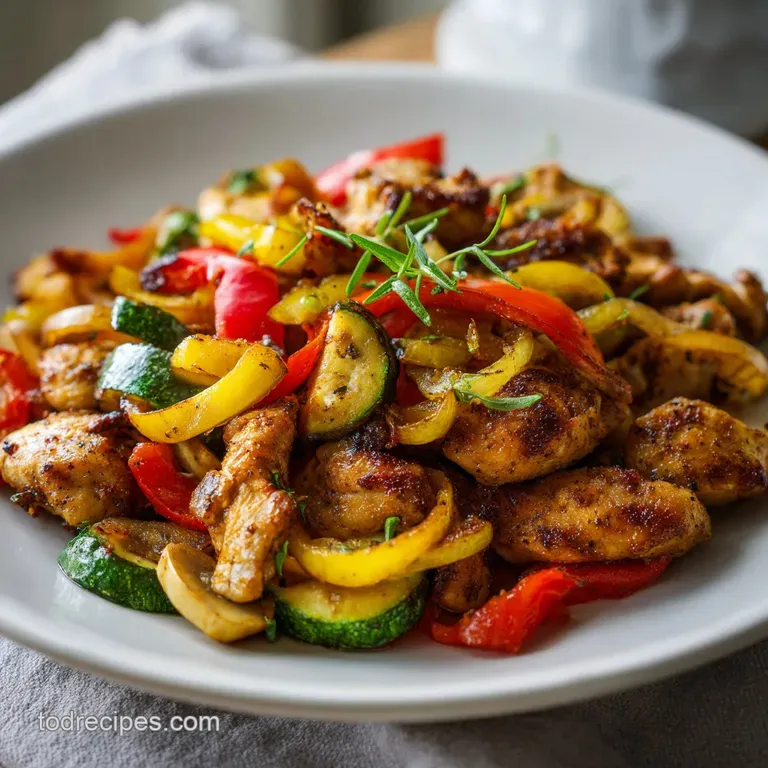
You do not need a kitchen full of gadgets, but the right pan makes a world of difference. I swear by a 12 inch cast iron skillet (like a Lodge). Cast iron holds heat like a champion, which is exactly what you need when you drop a pound and a half of cold chicken into it.
If you use a thin, cheap pan, the temperature will plummet, the chicken will release its juices, and you will end up steaming your meat instead of searing it.
A stainless steel skillet is also a great choice because it is excellent at creating "fond." Those little brown bits stuck to the bottom are pure gold. Avoid non stick pans if you can; they are great for eggs, but they do not allow for the same level of caramelization we want for a truly hearty skillet.
You will also want a sturdy metal spatula to really get under the chicken and flip it without losing that precious crust.
Executing the Perfect Stir Fry
- Pat the 1.5 lb cubed chicken breast completely dry using paper towels to ensure a better sear.
- Toss the chicken in a bowl with the kosher salt, cracked black pepper, and smoked paprika until evenly coated.
- Heat 1 tablespoon of olive oil in your 12 inch skillet over medium high heat until it is shimmering and just starting to wisps a tiny bit of smoke.
- Add the chicken in a single layer, making sure not to overcrowd the pan, and let it sit undisturbed for 3 minutes until a deep golden crust forms. Note: Moving it too early prevents the crust from releasing naturally from the pan.
- Flip the pieces and cook for another 2-3 minutes until the other side is golden, then transfer the chicken to a plate.
- Pour the remaining 1 tablespoon of oil into the pan and add the bell peppers, red onion, and broccoli florets.
- Sauté the vegetables for 4-5 minutes, tossing occasionally, until the onion edges start to char and the broccoli turns bright green.
- Lower the heat slightly and add the zucchini, asparagus, minced garlic, and red pepper flakes, cooking for 2-3 minutes until the garlic is fragrant and the zucchini is just tender.
- Return the chicken and any juices back into the pan, then pour in the chicken broth and lemon juice.
- Use your spatula to scrape the bottom of the pan vigorously while the liquid bubbles for 1-2 minutes until it thickens into a light, glossy glaze that coats everything.
Chef's Tip: If the pan looks too dry when you add the garlic, add a tiny splash of water or more oil. Garlic burns in seconds on a dry, hot pan, and burnt garlic will ruin the whole dish with its bitter aftertaste.
Fixing Common Skillet Mistakes
Why Your Veggies Are Soggier Than Expected
This usually happens because the pan was not hot enough or you overcrowded it. When you put too many vegetables in at once, they release steam. If that steam cannot escape because the pan is packed, it stays around the food and "boils" it.
Always work in a large pan, and if you are doubling the recipe, cook the vegetables in two separate batches.
Why the Chicken is Tough and Dry
Overcooking is the enemy of the chicken breast. Once it hits an internal temperature of 165°F, it starts to lose moisture rapidly. Because we sear it first and then bring it back at the end, it actually finishes cooking in that final minute with the broth.
If you leave it in the pan while you cook all the veggies, it will definitely turn into rubber.
| Problem | Root Cause | Solution |
|---|---|---|
| Chicken sticks to pan | Pan not hot enough or meat was wet | Wait for oil to shimmer; pat meat dry with paper towels |
| Liquid won't thicken | Too much broth added | Increase heat to high for 60 seconds to boil off excess water |
| Veggies are bland | Not enough salt in the middle stages | Season the vegetables lightly as soon as they hit the pan |
Common Mistakes Checklist:
- ✓ Never skip the paper towel step; moisture is the enemy of a good sear.
- ✓ Resist the urge to stir the chicken for the first 3 minutes.
- ✓ Cut your vegetables into uniform sizes so they finish at the same time.
- ✓ Add the lemon juice at the very end to keep the flavor bright and punchy.
- ✓ Use a large enough skillet; if the food is more than one layer deep, it won't sear.
Easy Recipe Variations
If you are looking for a one pan fajita meal, you can easily pivot this recipe by swapping the smoked paprika for cumin and chili powder, and serving it with warm tortillas.
For a Low Carb Chicken and Vegetable Skillet, this recipe is already a winner as is. However, if you want to make it even more filling without adding carbs, you can toss in some sliced mushrooms with the broccoli.
They add a wonderful "meaty" texture and soak up the lemon garlic sauce like tiny sponges.
When you need to scale this dish down for a solo dinner, it is quite simple. Use half the chicken and half the veggies, but keep the oil and seasoning levels about the same to ensure you still get a good sear. If you are scaling up for a crowd, do not try to fit 3 lbs of chicken in one pan.
Work in batches, searing the chicken in two rounds, then the veggies in two rounds, and finally combining everything in a large bowl or a very large pot at the end to glaze.
| Stovetop Method | Oven Method (Sheet Pan) |
|---|---|
| Faster (15 min cook) | Slower (20-25 min cook) |
| Better crust/sear | More "roasted" flavor |
| Requires constant attention | Hands off after prep |
Storing and Reviving Your Meal
Storage: This skillet meal keeps beautifully in the fridge for up to 4 days. Store it in an airtight glass container to keep the flavors from migrating. The vegetables will soften slightly as they sit in the lemon glaze, but they still taste fantastic.
Freezing: I do not recommend freezing the entire dish once it is cooked because the zucchini and asparagus become quite mushy upon thawing. However, you can freeze the seasoned raw chicken and the chopped "hard" vegetables (peppers, onions, broccoli) together in a freezer bag.
When you are ready to eat, just thaw and proceed with the zucchini and asparagus fresh.
Zero Waste Tip: Don't throw away those asparagus ends! Even though they are too woody for the skillet, you can toss them into a bag in the freezer along with onion skins and chicken scraps.
Once you have enough, boil them down to make your own homemade chicken broth for the next time you make this dish.
Finishing Touches and Plating
We eat with our eyes first, and a skillet meal can sometimes look a bit "jumbled." To give it a restaurant quality look, I like to top the finished dish with a handful of freshly chopped parsley or even some sliced green onions. The bright green pop adds a layer of freshness that complements the cooked vegetables.
When plating, try to ensure a good mix of colors is visible on top. Put a few of those bright red pepper strips and green asparagus spears right on the peak of the pile. If you want to go the extra mile, a final tiny squeeze of fresh lemon right before serving will make the aromas jump off the plate.
This dish is hearty enough to stand alone, but if you have someone at the table who needs a bit more bulk, it is incredible served over a bed of fluffy quinoa or even some cauliflower rice to keep it light.
One myth I hear all the time is that you should never use frozen vegetables for a skillet. Honestly, you can, but you have to change your technique. Frozen veggies are blanched before freezing, so they are already partially cooked.
If you use them, add them at the very end with the chicken, just long enough to heat through. They won't have the same "snap" as fresh, but in a pinch, they'll still make a decent meal. Another myth is that you need a lot of oil for a good sauté.
You actually only need enough to coat the bottom of the pan; the high heat does the rest of the work.
Right then, you have the plan, the science, and the secrets. Go get that skillet screaming hot and make something your Tuesday night self will thank you for. Trust me, the smell of that garlic hitting the lemon glaze is going to make all the prep work feel totally worth it. Let's crack on and get cooking!
Recipe FAQs
Is it true I must freeze the fully cooked skillet leftovers?
No, this is a common misconception. Freezing the finished dish makes the zucchini and asparagus mushy, so it is best to stick with the fridge for up to 4 days.
How to ensure the chicken breast stays juicy during searing?
Pat the chicken completely dry before seasoning. Removing surface moisture is essential for a quick, golden sear that seals in juices without overcooking the meat.
Can I throw all the vegetables into the pan at once?
No, the texture will be uneven. You must add the hard vegetables like peppers, onions, and broccoli first to soften, then add the soft zucchini and asparagus later so they do not turn to mush.
How to maximize flavor when finishing the skillet?
Scrape the bottom of the pan while deglazing with chicken broth and lemon juice. This process picks up the brown bits of fond, which provides a depth of flavor similar to the technique used in our creamy broccoli rice casserole.
Should I move the chicken around while it sears?
No, leave it undisturbed for 3 minutes. Giving the chicken time to brown without moving it creates the necessary crust and prevents the meat from sticking to the skillet.
Is it okay to swap the chicken breast for another protein?
Stick to the specified chicken breast for this recipe. Using other proteins would require adjusting the sear time and heat management to maintain the intended 30-minute total cook time.
How to prep ahead for a faster weeknight meal?
Freeze the raw seasoned chicken and hard vegetables together in a bag. This shortens your prep time significantly when you are ready to cook, allowing you to go straight from the freezer to the skillet.
Chicken Vegetable Skillet
Ingredients:
Instructions:
Nutrition Facts:
| Calories | 348 kcal |
|---|---|
| Protein | 44.6 g |
| Fat | 11.4 g |
| Carbs | 16.8 g |
| Fiber | 6.4 g |
| Sugar | 6.9 g |
| Sodium | 485 mg |
