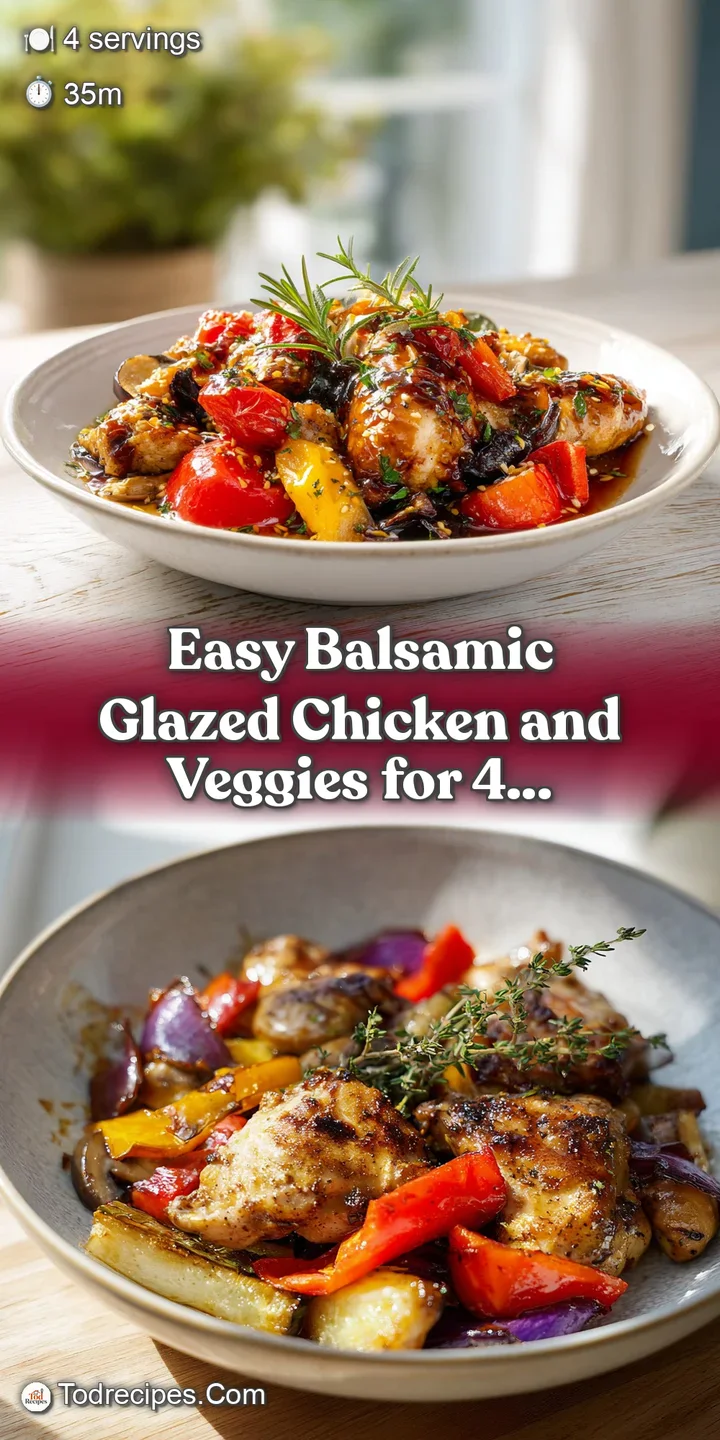
Balsamic Glazed Chicken and Veggies
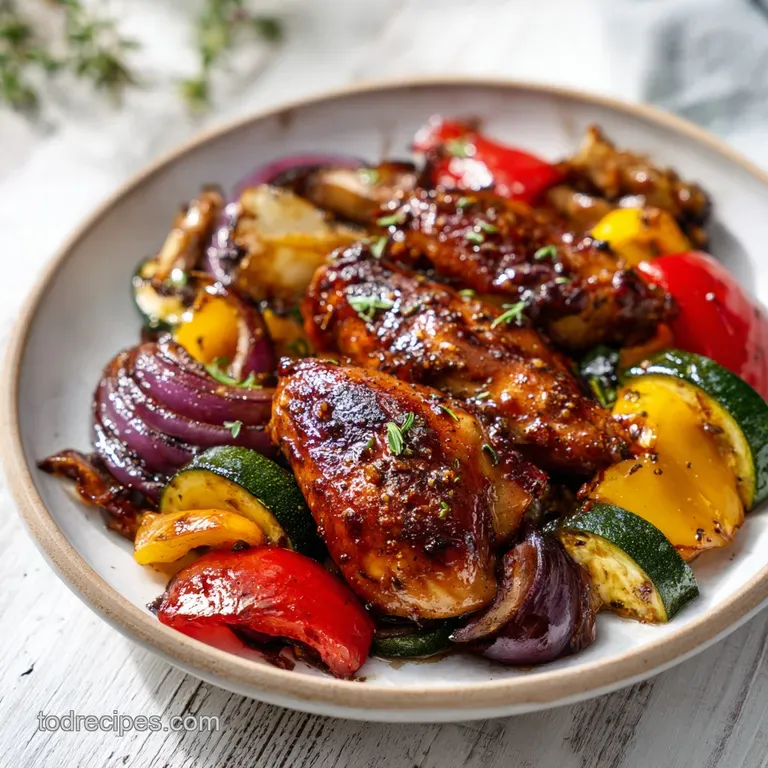
- Time: Active 15 minutes, Passive 20 minutes, Total 35 minutes
- Flavor/Texture Hook: Sticky sweet glaze with charred, crispy vegetable edges
- Perfect for: Busy weeknights and budget-friendly meal prep
- Mastering This Sheet Pan Balsamic Glazed Chicken and Veggies
- The Chemistry of the Balsamic Reduction
- Ingredient Component Analysis
- Budget Smart Pantry Essentials
- Necessary Kitchen Tools for Success
- Step by Step Roasting Method
- Fixing Common Roasting Mistakes
- Smart Swaps for Dietary Needs
- Debunking Common Kitchen Myths
- Storing and Reviving Your Leftovers
- Perfect Complements for This Meal
- Recipe FAQs
- 📝 Recipe Card
Mastering This Sheet Pan Balsamic Glazed Chicken and Veggies
The aroma of bubbling vinegar and roasting garlic hit me the second I opened the oven door last Tuesday. I had one of those days where everything felt like a slog, and the last thing I wanted was a mountain of dishes. I threw everything onto one rimmed baking sheet, prayed the honey would not burn, and waited.
When that balsamic reduction hit the high heat of the pan, it transformed from a thin liquid into a sticky, syrupy glaze that clung to every single sprout.
We've all been there with sheet pan meals where the chicken is dry but the potatoes are still rocks. I spent a solid month tweaking the chop sizes so everything finishes at the exact same moment. This version is my secret weapon for when I am tired but want to eat like a king.
It is hearty, punchy, and costs a fraction of what you would pay for a steakhouse meal.
If you are looking for a dinner that feels sophisticated but takes less effort than a frozen pizza, you are in the right place. We are focusing on big flavors and smart techniques here. Trust me, once you see how that glaze thickens in the oven, you will never go back to bottled sauces again.
The Chemistry of the Balsamic Reduction
Maillard Reaction Acceleration: The sugars in the honey and balsamic vinegar react with the chicken proteins at 200°C to create a deep brown crust. This process, known as caramelization, provides that savory sweet depth that makes the dish pop.
| Thickness | Internal Temp | Rest Time | Visual Cue |
|---|---|---|---|
| 1 inch chunks | 74°C (165°F) | 3 mins | Opaque center, juices run clear |
| 1.5 inch chunks | 74°C (165°F) | 5 mins | Firm to the touch, golden exterior |
| 0.5 inch chunks | 74°C (165°F) | 2 mins | Edges start to caramelize deeply |
Choosing the right cut of meat is essential for this over high heat method. While we use breasts here for a leaner meal, you could easily swap them for thighs, much like the technique used in my favorite Sheet Pan Chicken recipe. Thighs are more forgiving if you accidentally leave them in the oven for an extra few minutes.
Ingredient Component Analysis
| Ingredient | Science Role | Pro Secret |
|---|---|---|
| Balsamic Vinegar | Acid & Sugar | Use a mid tier vinegar; the heat will concentrate the sweetness anyway. |
| Dijon Mustard | Emulsifier | This binds the oil and vinegar so the glaze sticks to the food instead of sliding off. |
| Honey | Hygroscopic Agent | Honey attracts moisture, keeping the chicken juicy while helping the exterior brown. |
Budget Smart Pantry Essentials
- 1.5 lbs boneless skinless chicken breasts: Cut these into uniform 1 inch chunks. Why this? Small pieces cook fast and maximize the surface area for the glaze to coat.
- Substitute: Chicken thighs (boneless) for more moisture and a richer fat content.
- 1 lb baby Yukon Gold potatoes: Halved to ensure they soften in 20 minutes. Why this? They have a creamy texture and thin skins that do not require peeling.
- Substitute: Red potatoes or even sweet potatoes, though sweet potatoes will be softer.
- 2 cups Brussels sprouts: Trimmed and halved. Why this? The flat side sears against the pan for a nutty, charred flavor.
- Substitute: Broccoli florets, though you should add them halfway through to avoid burning.
- 1 large red bell pepper: Chopped into 1 inch pieces. Why this? Adds a bright sweetness that balances the acidic vinegar.
- Substitute: Green or yellow bell peppers for a slightly different flavor profile.
- 1 medium red onion: Cut into wedges. Why this? Wedges hold their shape better than slices during over high heat roasting.
- Substitute: Yellow onion or shallots if you want a milder, sweeter bite.
- 1/3 cup balsamic vinegar: The base of our glaze.
- Substitute: Apple cider vinegar mixed with a teaspoon of molasses.
- 2 tbsp extra virgin olive oil: Helps the vegetables roast rather than steam.
- Substitute: Avocado oil or any high smoke point neutral oil.
- 2 tbsp honey: For stickiness and balance.
- Substitute: Maple syrup or brown sugar works just as well.
- 1 tbsp Dijon mustard: For tang and emulsification.
- Substitute: Ground mustard powder (1 tsp) mixed with a little water.
- 3 cloves garlic: Minced fresh.
- Substitute: 1 tsp garlic powder in a pinch, though fresh is far superior here.
- 1 tsp dried oregano: For an earthy, herbal backbone.
- Substitute: Dried thyme or a general Italian seasoning blend.
- 1/2 tsp salt and 1/4 tsp black pepper: Essential seasoning.
Necessary Kitchen Tools for Success
You do not need much for this, but a heavy duty rimmed baking sheet is non negotiable. If you use a thin, cheap pan, it might warp under the 200°C heat, which causes the oil to pool in the corners. I also highly recommend using a large glass bowl for whisking the marinade.
Chef's Tip: If you want an even deeper flavor, grate your garlic into a paste rather than mincing it. This releases more allicin, which gives the glaze a much more intense punch that stands up to the vinegar.
step-by-step Roasting Method
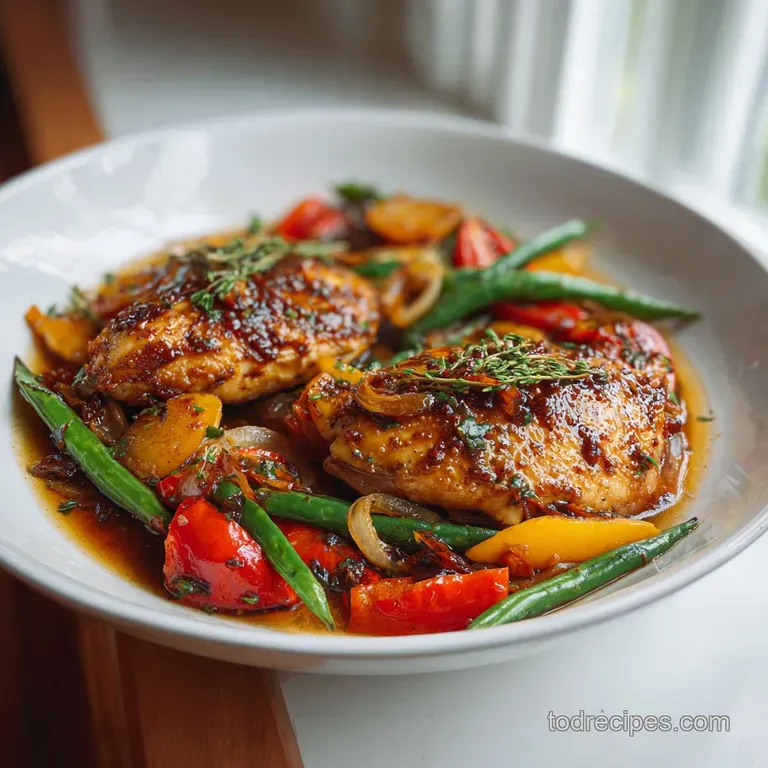
- Preheat your oven. Set it to 200°C (400°F). Note: A hot oven is the only way to get that sizzle and prevent the veggies from becoming mushy.
- Whisk the glaze. In a large bowl, combine the balsamic vinegar, olive oil, honey, Dijon mustard, minced garlic, oregano, salt, and pepper.
- Prep the components. Cut the chicken into 1 inch chunks and the potatoes and sprouts into halves. Ensure the potatoes are not larger than the chicken so they cook at the same rate.
- Toss for coverage. Add the chicken, potatoes, Brussels sprouts, bell pepper, and onion into the bowl with the glaze. Toss until every nook and cranny is coated.
- Arrange the pan. Spread the mixture onto a large rimmed baking sheet in a single layer. Ensure the Brussels sprouts are cut side down to get that beautiful char.
- Roast the mixture. Place the pan in the center of the oven for 20 minutes.
- Monitor the progress. At the 10 minute mark, give the pan a quick shake. Listen for a steady sizzle as the vinegar begins to reduce.
- Check for doneness. The chicken should be opaque and the potatoes tender when pierced with a fork.
- Rest and serve. Let the pan sit for 3 minutes before serving. This allows the glaze to thicken even further as it cools slightly.
Fixing Common Roasting Mistakes
Why Your Vegetables Are Soggy
If your vegetables are limp instead of crispy, it is usually because the pan was overcrowded. When the ingredients are too close together, they trap steam. That steam prevents the high heat from crisping the skin. Always use the largest pan you have, or split the recipe between two pans if needed.
Why Your Balsamic Glazed Chicken and Veggies Burnt
This usually happens if the honey or balsamic vinegar contains too much sugar and sits on a "hot spot" in your oven. To prevent this, make sure your rack is in the middle, not the bottom. If you see the edges darkening too fast, a quick toss halfway through helps redistribute the sugars.
| Problem | Root Cause | Solution |
|---|---|---|
| Rubbery Chicken | Overcooking | Pull the chicken at 74°C; use a meat thermometer. |
| Hard Potatoes | Pieces too large | Cut potatoes into 1/2 inch halves to match chicken speed. |
| Bitter Sprouts | Not enough char | Ensure sprouts are cut side down against the hot metal. |
Common Mistakes Checklist
- ✓ Pat the chicken dry with paper towels before tossing in the glaze.
- ✓ Do not skip the Dijon mustard; it keeps the glaze from separating.
- ✓ Avoid using frozen Brussels sprouts as they release too much water.
- ✓ Use a dark colored baking sheet for better browning if available.
- ✓ Give the potatoes a "head start" for 5 minutes if they are particularly large.
Smart Swaps for Dietary Needs
Reducing the recipe for a solo dinner is quite simple. Just use a smaller pan to maintain the heat concentration. If you are doubling it for a crowd, do not just pile more food on one pan. You will need two separate baking sheets to ensure the air can circulate. If you enjoy the simplicity of this method, you might also like my Homemade Baked Chicken recipe which uses a similar over high heat technique for a crispy finish without deep frying.
| Method | Time | Texture | Best For |
|---|---|---|---|
| Standard Oven | 20 mins | Crispy edges | Authentic roasting flavor |
| Air Fryer | 12-15 mins | Very crunchy | Small batches (half recipe) |
| Slow Cooker | 4 hours | Soft & stew like | Meal prep (glaze won't crisp) |
If you decide to double the recipe, keep the spices at about 1.5 times the original amount rather than 2. This prevents the dried oregano and pepper from becoming overwhelming. For the liquid components, stick to the full double amount to ensure everything remains well coated and glossy.
Debunking Common Kitchen Myths
A common misconception is that you need an expensive "Balsamic Glaze" bottle from the store. The truth is that regular balsamic vinegar, when heated with a stabilizer like honey and Dijon, reduces into a glaze naturally. You save money and avoid the weird thickeners found in the bottled versions.
Another myth is that you must marinate the chicken for hours. Because we are cutting the chicken into small chunks and using a over high heat roasting method, the glaze coats the outside so intensely that a long soak is unnecessary. The flavor is all on the surface where the caramelization happens.
Storing and Reviving Your Leftovers
Storage: Store any leftovers in an airtight container in the fridge for up to 4 days. I do not recommend freezing this specific dish because the Brussels sprouts and potatoes tend to get mushy when thawed.
Zero Waste: If you have leftover veggies but no chicken, chop them up and toss them into an omelet the next morning. If you have extra chicken, it makes a killer cold salad topping. For the onion peels and potato scraps, toss them into a freezer bag to make a savory vegetable stock later in the month.
When reheating, use a toaster oven or the "warm" setting on your air fryer to bring back some of that original texture. Avoid the microwave if you can, as it will make the chicken feel rubbery and the glaze a bit watery.
Perfect Complements for This Meal
This dish is quite hearty on its own, but if you want to stretch it further, serve it over a bed of fluffy quinoa or even cauliflower rice. The extra glaze at the bottom of the pan is liquid gold make sure to drizzle it over whatever base you choose.
If you are looking for a complete menu, this pairs beautifully with a simple side of Garlic Chicken Gnocchi recipe if you have some extra time to spare. A crisp, cold arugula salad with a lemon vinaigrette also works wonders to cut through the richness of the balsamic reduction. Whatever you do, do not forget a crusty piece of bread to swipe up any remaining glaze from your plate.
Recipe FAQs
Can I substitute chicken thighs for the breasts?
Yes, chicken thighs work very well. They are more forgiving under the high heat roasting method and retain moisture better than breasts. If you enjoyed mastering the high heat searing technique here, see how the same principle applies for moisture control in our Chicken Avocado Melt recipe.
How to ensure the vegetables and chicken finish cooking simultaneously?
Cut the densest vegetables, like potatoes, smaller than the chicken pieces. Potatoes take the longest, so ensure they have a smaller mass relative to the chicken chunks. Also, place the vegetables with flat surfaces, like Brussels sprouts, cut-side down to maximize char.
Is it true that I must use aged, expensive balsamic vinegar for the glaze?
No, this is a common misconception. Regular, mid-tier balsamic vinegar is ideal here because the high heat will concentrate and sweeten the existing sugars. True aged balsamic is often too thick to reduce correctly on a sheet pan.
How to prevent the honey in the glaze from burning during roasting?
Toss the chicken and veggies thoroughly so the honey is evenly distributed. The Dijon mustard acts as an emulsifier, helping the honey bind with the oil and vinegar, which prevents hot spots that lead to scorching. If you want another dish with excellent sauce binding, check out the Chicken Enchilada Rice recipe.
What is the absolute minimum oven temperature required for a successful glaze?
You need at least 200°C (400°F) for effective caramelization. A lower temperature will cause the vegetables to steam in their own moisture rather than roasting and crisping up against the pan.
How to salvage the dish if the chicken is already cooked but the potatoes are still hard?
Remove the chicken immediately and place the remaining vegetables back into the hot oven. Cover the pan loosely with foil to trap some steam around the denser veggies while they finish softening.
Can I prepare this entire meal ahead of time, including the glaze?
Yes, you can prep the marinade and chop all components up to 24 hours ahead. Whisk the marinade ingredients together and store them separately from the raw chicken and vegetables to maintain food safety and texture integrity.
Balsamic Glazed Chicken Veggies
Ingredients:
Instructions:
Nutrition Facts:
| Calories | 514 kcal |
|---|---|
| Protein | 56 g |
| Fat | 13 g |
| Carbs | 39 g |
| Fiber | 5 g |
| Sugar | 17 g |
| Sodium | 485 mg |
